
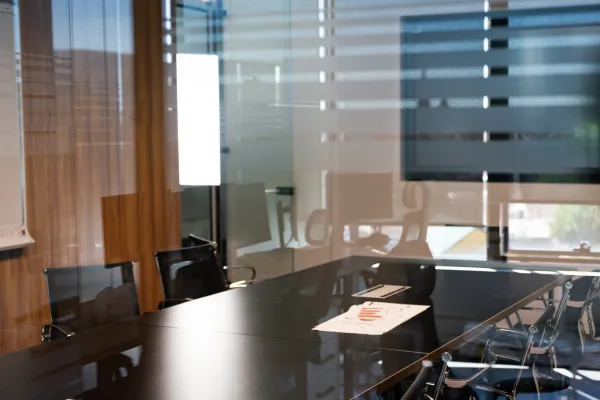
Security Film: The Smart Way to Add Security Without Blocking Visibility
Large windows make commercial spaces brighter, more inviting, and easier for customers to see into. But the same glass that creates an open storefront, office, or restaurant can also become a vulnerable point during a break-in or impact. For property managers and business owners, the challenge is finding a way to strengthen that glass without covering it with bars, shutters, or other barriers that change how the property looks and feels.
Security film offers a practical way to ad `d another layer of protection while preserving visibility. Applied directly to existing glass, it is designed to help hold shattered glass together and make rapid entry through a broken window more difficult, while clear options allow businesses to maintain natural light and sightlines. It does not make glass impossible to break, but when properly selected and installed, security film can strengthen a vulnerable part of the building without making the space feel closed off.

What Is Security Film?
Security film is a durable polyester film applied directly to existing glass to help improve how that glass performs when it is struck or broken. Its main purpose is to help hold shattered pieces together, reduce the chance of glass scattering, and make it more difficult to create a quick opening through a damaged window or door.
For commercial properties, that makes security film useful in places where glass is both important and vulnerable, such as storefronts, entry doors, ground-floor offices, and display windows. Because the film can be installed over existing glass, it can add protection without requiring a complete window replacement. Clear security film can also preserve much of the window’s original appearance, which matters when visibility, natural light, and curb appeal are part of the space’s function.
Security Film vs. Ordinary Window Tint
Security film and standard window tint are both applied to glass, but they serve different purposes. Traditional tint is usually chosen to reduce heat, glare, UV exposure, or improve privacy. Security film is designed primarily to improve glass retention and impact resistance.
Some products may combine security, solar control, privacy, or decorative features, but they should not be treated as interchangeable. A darker film does not automatically mean stronger security, and a standard solar-control film should not be assumed to provide the same level of glass retention as a film designed specifically for security applications.
How Does Security Film Work?
Security film bonds a strong polyester layer to the glass. If the glass is struck and breaks, the film helps hold the fractured pieces together instead of letting them separate immediately. The glass may still crack, but it can remain more difficult to pass through.
What Happens When Filmed Glass Is Struck?
During an attempted break-in, security film can make it harder to create a quick opening. The intruder may need more strikes, more time, and more effort to get through the damaged glass.
Performance depends on several factors:
Type and thickness of the glass
Security film used
Window frame
Attachment method
Installation quality
Type of impact
Security film should therefore be viewed as added resistance, not a guarantee that entry cannot occur.
Why Delaying Entry Matters
Even a delay can improve security. More time and noise can give alarms, cameras, staff, or nearby responders a better chance to react.
Security film works best as part of a broader security plan that may also include locks, lighting, cameras, alarms, and access controls.
Does Security Film Block Visibility?
Not necessarily. Clear security film is designed to add protection while keeping the glass transparent, so businesses can preserve natural light, exterior views, and storefront visibility.
That matters for commercial spaces where glass serves a purpose beyond appearance. Retail stores want customers to see displays. Restaurants benefit from open sightlines. Offices and managed properties often rely on daylight and a clean, modern look.
Clear, Tinted, and Decorative Options
Security film can be selected based on the property’s needs:
Clear film for maximum visibility
Tinted film when glare or solar control also matters
Reflective film for added daytime privacy
Decorative or privacy film where visual separation is needed
The key is to choose the film based on the actual goal. Darker does not automatically mean more secure, and a clear option may be the better fit when visibility is a priority.
How Security Film Helps During Break-Ins and Smash-and-Grab Attempts
Glass storefronts and entry doors can be vulnerable because they may provide fast access once broken. Security film helps by keeping shattered glass together, making it harder to create a clear opening immediately.
For businesses, that can add valuable resistance during a break-in attempt while still preserving the visibility of the storefront.
Security Film Does Not Make Glass Unbreakable
Security film improves resistance, but it does not make ordinary glass impossible to break. It should not be described as burglar-proof or bulletproof.
Its role is to:
Help hold broken glass together
Make rapid entry more difficult
Increase the time and effort needed to get through
Support other security measures already in place
Why Realistic Expectations Matter
Security film works best when it is part of a layered security plan. Locks, alarms, cameras, lighting, and access controls still matter.
The goal is not to rely on one product. It is to make the property more difficult to enter quickly and give the rest of the security system more time to work.
What Happens to the Glass After Impact?
When untreated glass breaks, loose shards can fall inward or outward and leave a clear opening. Security film helps keep many of those fractured pieces attached to the film, so the broken pane can stay together instead of separating immediately.
This matters for two reasons:
It can reduce the amount of loose shattered glass.
It can help the damaged window continue acting as a barrier for longer.
Glass Retention vs. Glass Strength
Security film does not simply turn standard glass into thicker glass. Its main value comes from helping broken glass stay bonded together after impact.
That is why the full system matters. Film thickness is only one part of performance. The type of glass, window frame, attachment method, and installation all affect how well the filmed glass performs.

Where Does Commercial Security Film Make the Most Sense?
Security film is most useful where glass is both important to the space and vulnerable to impact or forced entry. Common applications include storefronts, glass doors, ground-floor windows, lobbies, and other high-visibility areas.
Common Commercial Applications
Retail storefronts: Protect display windows without blocking merchandise visibility.
Offices: Add protection to ground-floor glass while keeping the space open and professional.
Restaurants: Maintain natural light and visibility without making the space feel closed off.
Multi-tenant properties: Improve security while preserving a clean appearance for tenants and visitors.
Commercial entry doors: Strengthen one of the most common vulnerable points in a building.
For property managers, the biggest advantage is flexibility. Security film can target the areas that need more protection without changing the entire look of the property.
Security Film vs. Other Window Security Options
Security film is one way to strengthen vulnerable glass, but it is not the only option. The right choice depends on how much protection the property needs, how important visibility is, and whether replacing the existing glass makes sense.
Security film is often a practical choice when a business wants to improve protection without covering the windows or replacing the entire glazing system. It can preserve the open look of a storefront or office while adding another layer of resistance.
Does Film Thickness Matter?
Yes, but thickness alone does not determine how well security film performs. A thicker film may offer greater strength, but the overall result depends on how the entire window system works together.
Important factors include:
Type and thickness of the existing glass
Size of the window or door
Film specification
Window frame condition
Attachment system
Installation quality
Type of threat being addressed
The better question is not, “What is the thickest film available?” It is, “What level of protection does this property need, and what system is appropriate for this glass?”
Why the Attachment System Matters
Security film is only one part of the protection system. In some applications, the film also needs to be securely connected to the window frame so the filmed glass stays in place longer after impact.
That is where an attachment system comes in. It helps secure the filmed glass to the perimeter of the frame, which can improve how the entire window assembly performs.
Film, Glass, and Frame Work Together
A security film project should not be chosen based on film thickness alone. The installer should evaluate:
Existing glass type
Window or door frame
Film specification
Attachment method
Security risk being addressed
The goal is to treat the window as a complete system rather than relying on the film by itself.
Can Security Film Be Installed on Existing Commercial Windows?
In many cases, yes. One of the biggest advantages of security film is that it can often be applied to existing commercial glass without replacing the entire window system.
That can make it a practical retrofit option for occupied properties because it may reduce disruption, preserve the current appearance, and allow businesses to focus on the most vulnerable areas first.
Security film can be especially useful for:
Storefront windows
Glass entry doors
Ground-floor offices
Display windows
Other exposed glazing
The existing glass and frame still need to be evaluated before installation. Not every window requires the same film, attachment method, or level of protection.
What Can Security Film Help Protect Against?
Security film is most valuable when it is matched to a specific risk. For commercial properties, common use cases include:
Forced entry and smash-and-grab attempts
Accidental impact that causes glass breakage
Vandalism involving windows or glass doors
Situations where reducing loose shattered glass is important
Some security film systems are also designed for more specialized hazards, but performance varies by product, glass type, framing, attachment method, and installation.
The key is to choose the film based on the threat you are actually trying to address rather than assuming every security film provides the same level of protection.
What Security Film Cannot Do
Security film can improve protection, but it has limits. Understanding those limits helps property managers make better security decisions and avoid relying too heavily on one solution.
Security film does not:
Make every window impossible to break
Guarantee that an intruder cannot eventually get through
Make ordinary glass automatically bullet-resistant
Replace strong locks, alarms, cameras, or access controls
Perform the same way on every type of glass and frame
Its role is to strengthen a vulnerable part of the property and support a broader security plan. Clear expectations lead to better product selection, better installation decisions, and a more effective overall security strategy.

How to Choose the Right Security Film for a Commercial Property
The right security film depends on the property, the glass, and the risk you are trying to reduce. A good selection process starts with the problem, not the product.
Use this sequence:
Identify the main security concern, such as forced entry, vandalism, or accidental impact.
Locate the most vulnerable glass, including storefronts, entry doors, and ground-floor windows.
Decide how important visibility, natural light, and privacy are.
Evaluate the existing glass and window frame.
Match the film and attachment method to the level of protection needed.
Make sure the film works alongside locks, alarms, cameras, lighting, and access controls.
This approach helps avoid choosing security film based only on thickness, appearance, or price.
Common Security Film Mistakes Property Managers Should Avoid
Security film works best when it is chosen as part of a larger security strategy. Most mistakes happen when the decision is based on one feature instead of the full window system and actual risk.
Common mistakes include:
Assuming darker film provides better security
Choosing film based only on thickness
Ignoring the condition of the glass and frame
Skipping the attachment system when the application requires it
Using the same film specification on every window
Sacrificing visibility when clear protection would meet the goal
Treating security film as a complete replacement for alarms, locks, cameras, or access controls
Believing terms like “unbreakable” or “burglar-proof” without understanding the product’s limits
A better approach is to start with the threat, evaluate the existing glazing, and then choose the film system that fits the property.
Is Security Film Worth It for a Commercial Property?
Security film can be a strong fit when you want to improve protection without replacing existing windows or blocking visibility. It is especially useful for storefronts, offices, restaurants, and other properties where glass plays an important role in appearance, natural light, or customer experience.
It is usually worth considering when:
Existing glass is vulnerable to forced entry or impact
Full window replacement is unnecessary or too disruptive
Visibility and natural light need to be preserved
The property needs another layer of protection alongside existing security measures
The right decision depends on the building, the condition of the glass and frames, and the type of risk you are trying to address.
Security Without Turning Your Building Into a Fortress
Better security does not have to mean covering every window, darkening the space, or making the property feel closed off. The smarter goal is to strengthen vulnerable glass while preserving the visibility, natural light, and appearance that make the space functional in the first place.
For commercial properties, that means choosing a security film system based on the actual risk, the existing glass and frame, and how the space is used. When properly selected and installed, security film can add meaningful protection without changing the character of the building. That makes it a practical option for businesses that want stronger security while keeping their spaces open, professional, and welcoming.
Frequently Asked Questions About Security Film
Is security film visible after installation?
Clear security film is designed to preserve much of the original appearance of the glass. In many applications, it can add protection without noticeably blocking views or natural light.
Can security film stop someone from breaking a window?
No. The glass can still break. Security film is designed to help hold the broken glass together and make it more difficult to create a quick opening.
Is security film bulletproof?
Standard security film should not be considered bulletproof. Specialized ballistic glazing systems are designed for that level of protection.
Can security film be installed on existing windows?
In many cases, yes. Security film can often be applied to existing commercial glass, which makes it a practical retrofit option when full window replacement is not necessary.
Does thicker security film mean better protection?
Not automatically. Thickness matters, but performance also depends on the glass, frame, attachment method, installation, and type of threat being addressed.
Does security film make windows darker?
Not necessarily. Clear security films are available for businesses that want added protection while maintaining visibility and natural light.
Should security film be professionally installed?
For commercial security applications, professional installation is important. The existing glass, frame, film type, and attachment method all affect how the system performs, so the right specification matters as much as the film itself.
The Bottom Line
Security film gives businesses a practical way to strengthen vulnerable glass without sacrificing the visibility, natural light, or appearance that make commercial spaces inviting. It can help hold shattered glass together, increase resistance to forced entry, and add another layer to an existing security strategy.
The key is choosing the right system for the actual risk. Glass type, framing, film specification, attachment method, and professional installation all matter. When those pieces work together, you can improve security without making your property look or feel like a fortress.
For property managers and business owners, the value comes from balance. You can address vulnerable windows and doors while preserving the open, professional look that customers, tenants, and employees expect.
Security film is not a complete security plan by itself, but it can be an important part of one. When combined with locks, alarms, cameras, lighting, and other protective measures, it can help make a commercial property harder to enter quickly while keeping the space functional and welcoming.
Want to Strengthen Your Windows Without Sacrificing Visibility?
If vulnerable glass is part of your security concerns, see how SRS safety and security window film can add another layer of protection while preserving the professional look of your property. Explore the available options, understand how the system works, and see what may fit your building’s needs.
Explore Safety & Security Film