

Why Your Office Feels Too Bright and Too Hot at the Same Time
The blinds are half-closed. The AC is working hard. Someone in the conference room is squinting at a screen, and the front office still feels warmer than the rest of the building.
That is the strange part. The space can feel too bright and too hot at the same time.
This is more than a comfort issue. It can turn into tenant complaints, higher cooling demand, faded interiors, and a workplace that feels harder to use than it should. SRS sees this problem often in commercial spaces, especially where large windows bring in heavy sunlight throughout the day. Commercial window tinting helps address heat, glare, privacy, and comfort without forcing you to darken the entire space or replace every piece of glass.
This guide explains why offices get uncomfortable, how commercial window film works, and what to consider before choosing the right solution for your building.
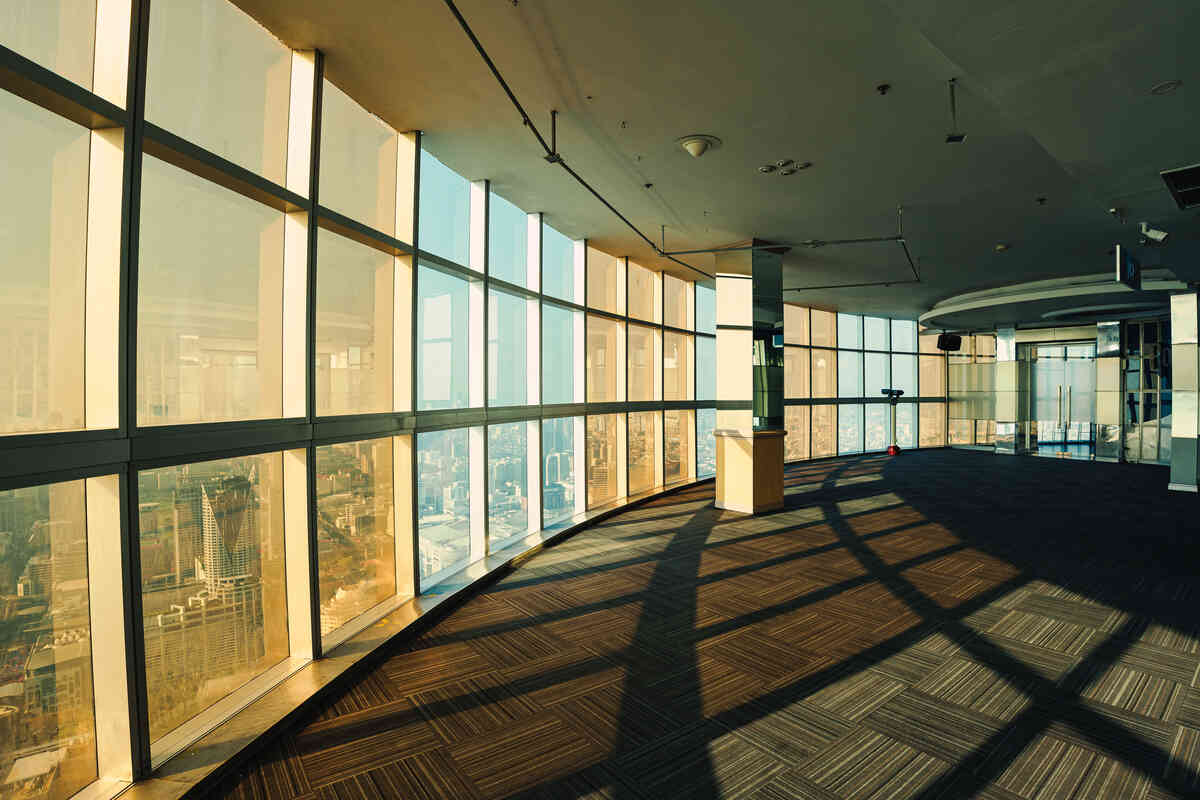
Why Offices Feel Bright and Hot
Sunlight does not enter an office as simply as that. It brings visible light, heat, and UV exposure through the glass. That is why a room can look bright, feel warm, and still have the AC running all day.
In many commercial buildings, the problem shows up unevenly. One side of the office feels fine in the morning, then turns uncomfortable after lunch. A conference room becomes hard to use during certain hours. Employees close the blinds to stop the glare, but then the space feels darker and less inviting.
This creates a frustrating cycle. Tenants complain about glare. Cooling costs keep climbing. Furniture, flooring, or displays start to fade. The building works, but it does not feel as comfortable or professional as it should. Commercial window tinting helps by treating the glass as part of the comfort system, not just a source of natural light.

What Is Commercial Window Tinting?
Commercial window tinting involves applying a specialized film to existing glass surfaces in an office, retail space, healthcare facility, educational building, or other commercial property. The film is designed to improve how the glass performs without changing the structure of the building.
Many people hear the word "tint" and immediately think of dark windows. Modern commercial window films do much more than reduce visible light. Depending on the film selected, they can help reduce heat, minimize glare, block harmful UV rays, increase privacy, improve aesthetics, or add an extra layer of security.
Think about a south-facing office with floor-to-ceiling windows. The natural light creates an attractive workspace, but by mid-afternoon, employees are lowering blinds, moving away from windows, or adjusting screens to avoid glare. Commercial window film allows businesses to keep the benefits of natural light while addressing many of the problems that come with direct sun exposure.
Window film is often viewed as an upgrade that works with existing glass rather than replacing it. This makes it a practical option for improving comfort, appearance, and energy performance while minimizing disruption to daily operations.
We offer commercial window tinting solutions designed to help businesses address glare, heat, privacy concerns, and energy efficiency challenges while maintaining a professional appearance. Decorative and specialty films can also be used to create privacy and enhance the look of commercial spaces.
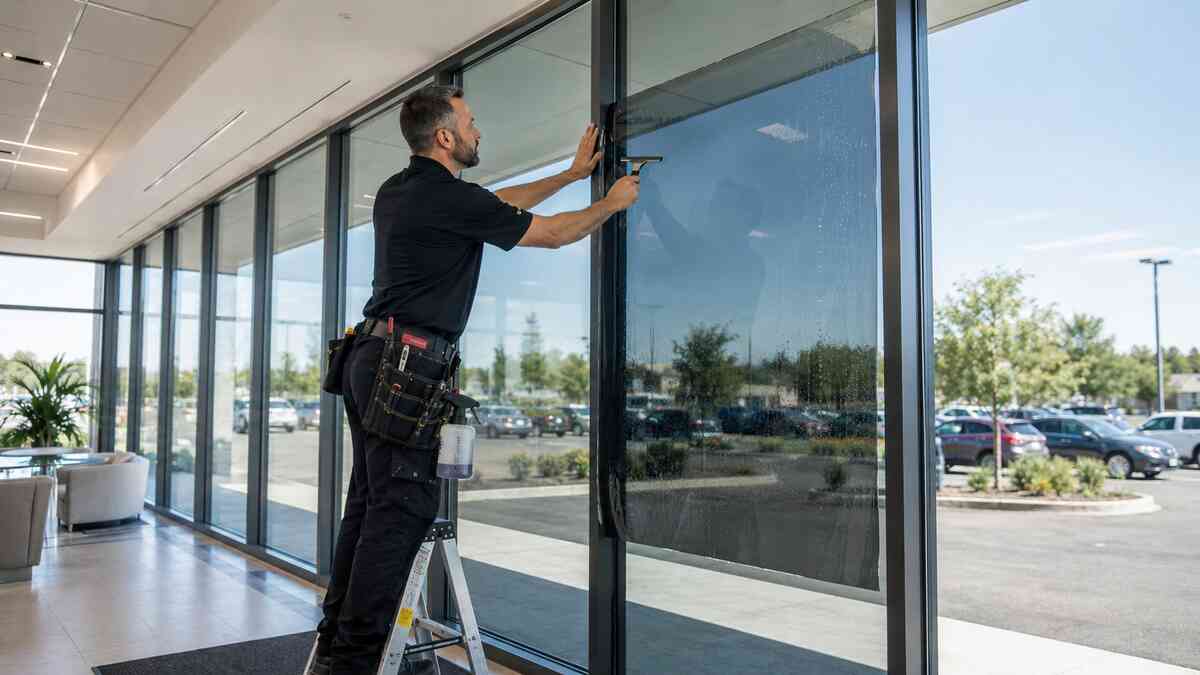
How Commercial Window Film Helps Reduce Office Heat
If you've ever walked past a window on a sunny afternoon and felt a noticeable temperature difference, you've experienced solar heat gain firsthand. Glass allows sunlight into a building, but it also allows a significant amount of heat to enter along with it. The result is an office that feels warmer than expected, even when the air conditioning is running continuously.
This creates a challenge for many commercial buildings. The HVAC system works harder to maintain a comfortable temperature, yet certain areas remain warmer than others. Employees near windows may feel uncomfortable, while those farther inside the building feel perfectly fine. Over time, this uneven comfort can become a recurring source of complaints.
Commercial window film helps address this issue by reducing the amount of solar heat that passes through the glass. Rather than allowing the sun's energy to enter unchecked, the film helps reject a portion of that heat before it reaches the interior space. The goal is not to eliminate natural light. The goal is to create a more balanced and comfortable environment throughout the building.
The impact often goes beyond comfort. When heat gain is reduced, cooling systems may not need to work as aggressively during peak sunlight hours. This can support energy-efficiency efforts and help create a more consistent indoor experience for tenants, employees, and visitors.
The benefits become especially noticeable in buildings with large glass facades, conference rooms with extensive window exposure, retail storefronts, and offices that receive direct afternoon sun. These are often the areas where heat-related complaints originate and where commercial window film can provide the greatest improvement.
We work with commercial clients who want to reduce glare, improve comfort, enhance privacy, and create more energy-efficient spaces through professionally installed window film solutions.

How Office Window Tinting Reduces Glare Without Blocking the View
Heat is only part of the problem. For many offices, glare is the issue employees notice first. You see it when someone adjusts their monitor angle three times during a meeting. You see it when conference room blinds stay closed all afternoon. You see it when customers avoid certain seats because the sunlight is too intense.
Glare occurs when excessive sunlight reflects off screens, desks, floors, and other surfaces. Even when a room is maintained at a comfortable temperature, glare can make the space difficult to work in. Employees strain to read presentations. Reception areas become less welcoming. Meeting spaces become harder to use during peak sunlight hours.
The common solution is to close the blinds. That works, but it creates a new problem. The office loses natural light, outdoor views disappear, and the space can feel darker and less inviting.
Commercial window tinting takes a different approach. Instead of blocking the view, window film helps manage the intensity of sunlight entering the building. The goal is to reduce harsh glare while preserving the benefits of natural daylight. Employees can work more comfortably, meeting rooms remain functional throughout the day, and customers can enjoy a brighter space without the discomfort that often comes with direct sun exposure.
This is particularly valuable in modern commercial buildings where large windows are part of the design. Businesses invest in glass because it creates an open, professional atmosphere. Commercial window film helps maintain that atmosphere while making the space more comfortable to use.
Glare reduction can also contribute to tenant satisfaction. When occupants can use their offices, conference rooms, and common areas without constantly adjusting blinds or relocating to avoid sunlight, the building simply works better.

The Hidden Costs of Ignoring Heat and Glare
You may notice the symptoms long before they identify the cause. A tenant mentions that their office is always too warm in the afternoon. Employees start keeping blinds closed throughout the day. Customers gravitate toward certain areas of the building while avoiding others. Individually, these issues may seem minor. Together, they can affect the overall performance and perception of a property.
One of the most obvious costs is increased cooling demand. When large amounts of solar heat enter through windows, HVAC systems must work harder to maintain comfortable temperatures. Even buildings with well-maintained systems can struggle to keep up during periods of intense sun exposure.
Comfort is another factor that is easy to underestimate. Employees who deal with excessive heat or glare every day are constantly making small adjustments to compensate. They move workstations, close blinds, reposition screens, or avoid certain spaces altogether. These inconveniences may seem insignificant, but they can impact how people experience the workplace.
Sunlight can also take a toll on the physical environment. Prolonged UV exposure may contribute to the fading of flooring, furniture, merchandise displays, artwork, and interior finishes. What begins as a subtle change can become a noticeable maintenance and replacement expense over time.
Tenant satisfaction is often the biggest concern. Businesses want spaces that feel comfortable, professional, and functional. When occupants regularly experience heat, glare, or privacy issues, complaints increase and satisfaction can decline. For competitive commercial properties, tenant experience can influence retention and long-term occupancy decisions.
The challenge is that many of these costs are gradual. They build over months and years rather than appearing all at once. As a result, building owners and managers often focus on treating symptoms instead of addressing one of the primary sources of the problem: the glass itself.
Commercial window tinting is not simply about making windows look different. It is about improving how the building performs for the people who use it every day. For many commercial properties, that can mean fewer comfort complaints, better use of interior spaces, improved protection for furnishings, and a more enjoyable environment overall.
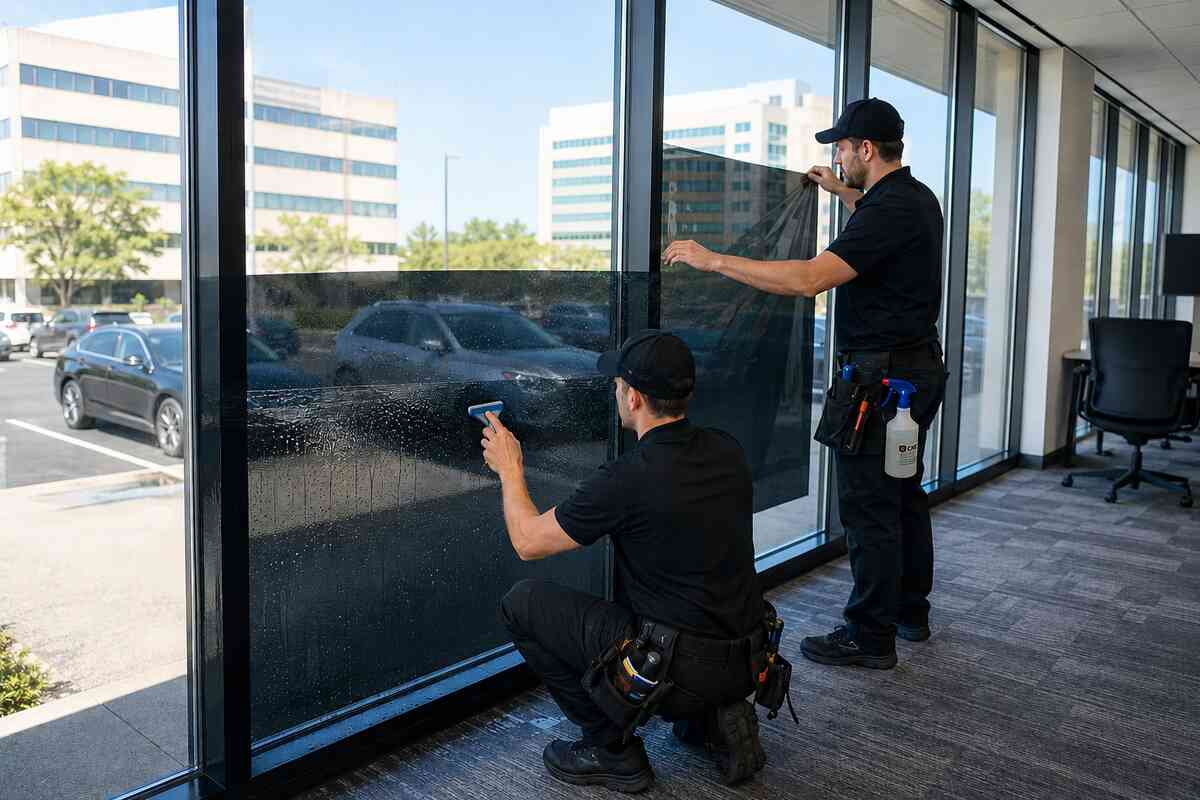
Commercial Window Tinting Benefits
Every commercial property investment is evaluated the same way: does it improve the building, support occupants, and create long-term value?
Commercial window tinting addresses several challenges at once, which is why it has become a popular upgrade for office buildings, retail centers, medical facilities, schools, and other commercial spaces.
Improved Comfort Throughout the Building
One of the most immediate benefits is a more comfortable indoor environment. By helping reduce solar heat and glare, window film can make spaces feel more consistent throughout the day.
This is especially valuable in areas that receive direct sunlight. Instead of dealing with hot spots near windows and cooler areas deeper inside the building, occupants can enjoy a more balanced environment.
Reduced Glare on Screens and Work Surfaces
Glare affects more than comfort. It can interfere with presentations, computer work, video calls, digital displays, and customer interactions.
Commercial window film helps soften harsh sunlight while preserving natural light. Employees can work more comfortably, and customers can enjoy a brighter, more welcoming environment.
Protection Against UV Exposure
Many business owners focus on heat and glare, but UV blocking is another important consideration.
Over time, UV rays can contribute to the fading of carpets, furniture, merchandise displays, artwork, and interior finishes. Window film can help reduce UV exposure, providing an additional layer of protection for the investments already inside the building.
Enhanced Privacy Without Sacrificing Natural Light
Privacy needs vary from one business to another. A law office may need greater confidentiality. A healthcare facility may need additional privacy for patients. A corporate office may want to limit visibility into conference rooms or executive spaces.
Commercial window film offers privacy solutions that help businesses achieve these goals without completely blocking natural light or creating a closed-off feeling.
A More Professional Appearance
The appearance of a building influences how employees, customers, tenants, and visitors perceive the business.
Commercial window film can create a cleaner, more uniform look across exterior glass while helping maintain a modern and professional appearance. Decorative film options can also be used to enhance branding, define spaces, and improve aesthetics.
Support for Energy-Efficiency Goals
Many organizations are looking for practical ways to improve building efficiency.
By helping reduce solar heat gain, commercial window film can support broader energy-management initiatives. While results vary based on building design, glass type, and sun exposure, reducing the amount of heat entering through windows can help create a more efficient indoor environment.
Better Tenant and Customer Experiences
At the end of the day, buildings exist for people. Employees want comfortable workplaces. Customers want inviting spaces. Tenants want properties that support their business goals.
When a building feels cooler, more comfortable, and easier to use, people notice. Small improvements in comfort and usability can contribute to stronger tenant satisfaction, a better customer experience, and a more positive perception of the property overall. That may be the most valuable benefit of all.
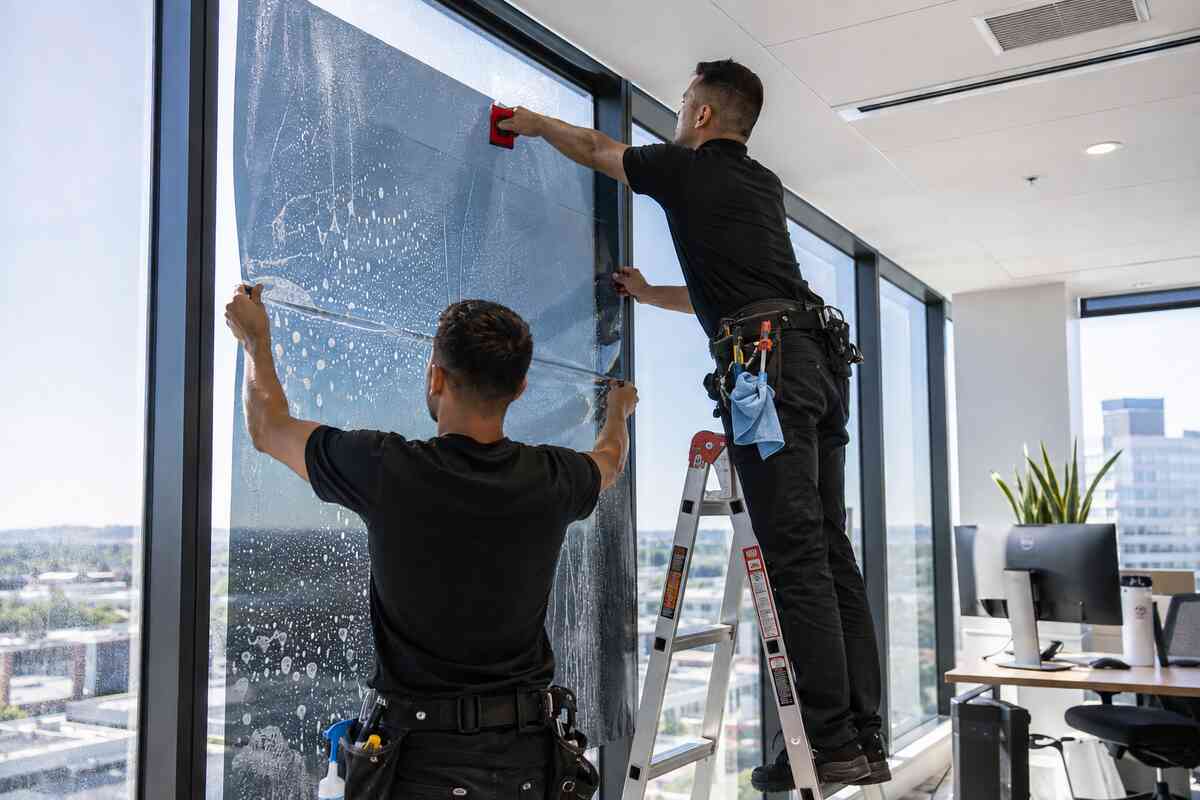
Commercial Window Tinting vs. Blinds, Shades, and Glass Replacement
When building owners start looking for solutions to heat and glare, they typically consider three options: blinds and shades, window replacement, or commercial window tinting.
Each option has its place. The key is understanding what problem you're trying to solve and how each solution affects the building experience.
Blinds and Shades
Blinds and shades are often the first line of defense against sunlight. They can reduce glare and provide privacy when needed. The drawback is that they work by blocking the view and limiting natural light.
Think about how many offices keep blinds closed throughout the day. The sunlight is gone, but so is the connection to the outside environment. Employees lose natural daylight, meeting rooms feel darker, and the building no longer benefits from one of its most valuable design features: its windows.
Blinds can help manage sunlight, but they don't stop heat from reaching the glass in the first place. As a result, hot spots and comfort issues may still persist.
Window Replacement
Replacing existing windows can improve building performance, especially when older glass is nearing the end of its useful life.
However, window replacement is often a major capital project. Costs can be substantial, installation can be disruptive, and projects may require significant planning and scheduling. Replacing every window is more than what's needed to solve a heat and glare problem.
Commercial Window Tinting
Commercial window tinting works with the glass that's already in place. Rather than removing and replacing windows, a professionally selected film is applied directly to the existing glass. This allows businesses to address heat, glare, UV exposure, privacy concerns, and aesthetics without the expense and disruption of a full window replacement project.
This makes window film an attractive middle ground. It preserves natural light and views while improving how the glass performs.
Which Option Makes the Most Sense?
The answer depends on the building, budget, and goals. If privacy is the only concern, blinds may be sufficient. If the existing windows are damaged or outdated, replacement may be worth considering.
But if the goal is to improve comfort, reduce glare, support energy-efficiency efforts, enhance privacy, and protect interiors while maintaining the existing glass, commercial window tinting is often one of the most practical solutions available. That's why many commercial property managers explore window film before committing to larger and more disruptive building upgrades.

What Type of Commercial Window Film Is Right for Your Building?
Not all commercial window films are designed to do the same job. The best choice depends on the challenges your building is trying to solve. A property struggling with afternoon heat may need a different solution than a medical office focused on privacy or a retail location concerned about security. Understanding the main categories of commercial window film can help you narrow down the options.
Solar Control Window Film
Solar control film is designed to reduce heat and glare caused by sunlight. This is often the most common choice for office buildings, retail centers, educational facilities, and other commercial spaces where occupant comfort is a priority. Businesses typically choose solar control film when they want to create a cooler, more comfortable environment while maintaining natural light and exterior views.
For buildings with large glass surfaces, solar control film can be particularly effective at addressing the "too bright and too hot" problem discussed throughout this guide.
Decorative Window Film
Decorative films are used to enhance appearance and create privacy without the need for permanent construction changes.
These films are commonly installed in:
Conference rooms
Executive offices
Healthcare facilities
Reception areas
Interior glass partitions
Options range from frosted and etched-glass appearances to custom decorative designs that complement the building's branding and interior design.
Security Window Film
Glass is often one of the most vulnerable parts of a building. Security film helps strengthen glass and can help hold shattered glass together during impacts. While it does not make glass unbreakable, it can add an extra layer of protection that may help delay forced entry attempts and reduce hazards from broken glass.
Businesses often consider security film for:
Ground-level offices
Retail storefronts
Schools
Healthcare facilities
Government buildings
We offer security film solutions designed to improve safety, strengthen glass, and help protect commercial properties.
UV Protection Window Film
Many commercial window films provide UV protection as part of their overall performance package. This can be especially valuable for businesses that want to protect:
Furniture
Flooring
Artwork
Merchandise displays
Interior finishes
Over time, reducing UV exposure can help preserve the appearance of interior assets and extend the life of materials exposed to sunlight.
The Right Film Starts with the Right Assessment
Choosing window film based on appearance alone can lead to disappointing results. A film that works well for glare reduction may not be the best option for privacy. A film selected for aesthetics may not provide the heat control a building needs.
That's why professional evaluation matters. Factors such as window orientation, glass type, building usage, occupant needs, and sun exposure all influence which solution will deliver the best outcome. The goal is not simply to install film. The goal is to select the right film for the specific challenges your building faces.

How to Know If Your Office Needs Window Tinting
Not sure whether window tinting is worth exploring? The signs are usually easy to spot. Your office may benefit from commercial window film if:
Certain rooms become noticeably hotter during the day
Employees regularly complain about glare on screens
Blinds stay closed most of the time
Cooling costs continue to rise
Furniture, flooring, or displays are fading near windows
Tenants mention comfort issues
Customers avoid seating areas with direct sunlight
You need more privacy without blocking natural light
If several of these sound familiar, the issue may not be your HVAC system or office layout. The glass itself could be contributing to the problem. The good news is that many of these challenges can often be addressed without replacing windows or making major changes to the building.
A More Comfortable Office Starts at the Glass
When an office feels too hot, too bright, or harder to use than it should, the problem often starts at the windows. Commercial window tinting gives a practical way to improve comfort, reduce glare, protect interiors, and create a more professional space without a major renovation.
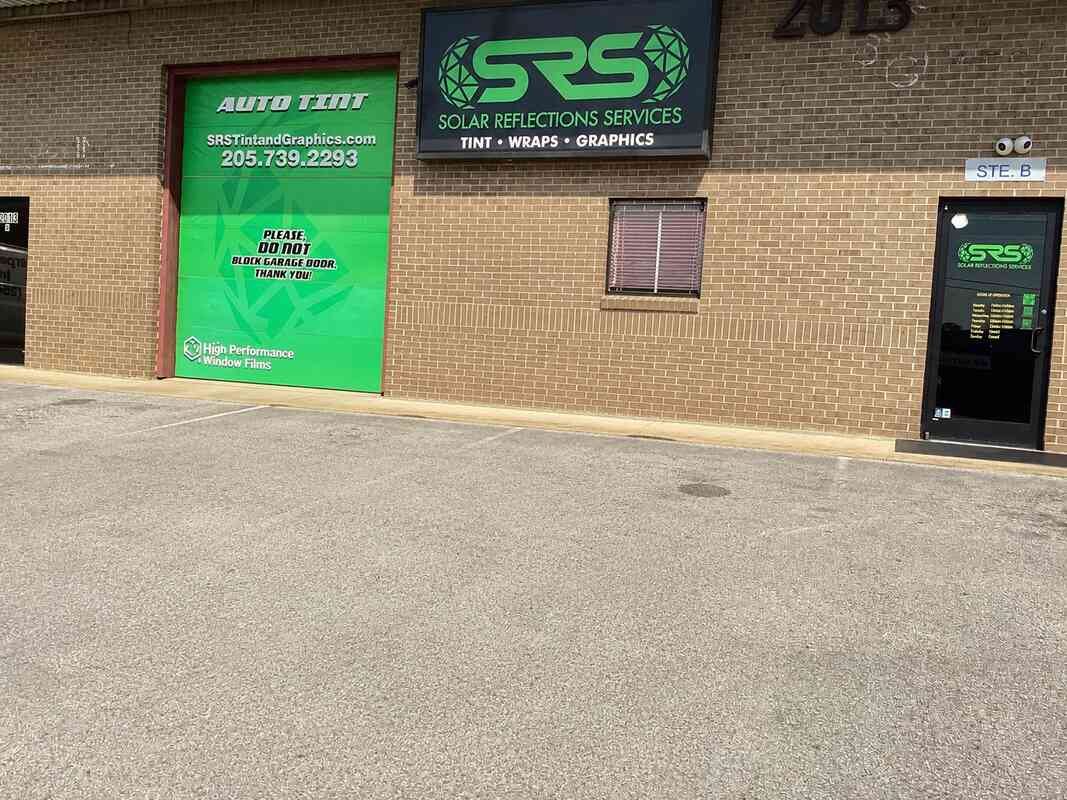
The right film can help your building feel better for the people who use it every day. Employees can work with less glare. Tenants can enjoy a more comfortable space. Customers can walk into a building that feels cared for, modern, and easy to spend time in. To explore the right commercial window tinting options for your building, visit Solar Reflections Services at 2013 Old Montgomery Hwy B, Birmingham, AL 35244.