
Enhance Business Security with Commercial Window Films
The Security Gap Most Offices Ignore
Most office buildings are equipped with systems that create a strong sense of security. Cameras monitor activity, access control limits who can enter, and alarm systems are ready to respond when something goes wrong. On the surface, everything appears to be covered.
But there is one critical weakness that often gets overlooked. Your glass.
Walk through any corporate building and you will notice how much of the space relies on glass. Exterior windows, entry doors, and even interior partitions are built around it. It creates a modern and open environment, but it also introduces a level of exposure that many decision-makers underestimate.
Glass is:
Easy to access from outside
Quick to break under force
Costly to deal with after failure
The real issue is not the glass itself. It is what happens when it fails.
A single incident can quickly escalate into:
An employee or visitor injured by shattered glass
A break-in that happens in seconds
A liability claim that could have been prevented
This is where the risk becomes real. Because security is not only about stopping threats. It is about controlling the outcome when something goes wrong.
Most security systems are designed to react after damage occurs. Glass, on the other hand, fails instantly and leaves no time to respond.
Commercial window film addresses this exact gap. It reinforces one of the most vulnerable parts of your building and reduces the impact of failure, all without changing how your office operates.
What Is The Commercial Security Window Film?
Commercial security window film is a transparent protective layer applied directly to glass surfaces. Its main function is simple but critical. It holds glass together when it breaks.
Unlike standard window tint, which is mainly used for heat reduction or privacy, security film is designed to reinforce the glass itself. It does not stop the glass from cracking under impact, but it prevents it from shattering into dangerous, scattered pieces.
This difference matters more than it seems. When untreated glass breaks, it creates immediate problems:
Sharp fragments that can cause serious injury
Open access points for forced entry
Fast escalation from impact to full failure
Security window film changes that outcome. When the glass cracks, the film keeps the fragments bonded together, maintaining the structure of the surface instead of allowing it to collapse.
There are different types of films used in commercial settings, including:
Safety film, focused on reducing injury risk
Security film, designed to resist forced entry and impact
Anti-shatter film, built to hold glass in place under stress
While the names vary, the core purpose is the same. The goal is to control what happens after impact and reduce the risk that comes with exposed glass.
For office and corporate environments, this is not just a technical upgrade. It is a practical way to reduce liability and strengthen one of the most vulnerable parts of the building without affecting visibility or design.
How Does Security Window Film Work?
To understand the value of security window film, you need to look at what happens at the moment of impact.
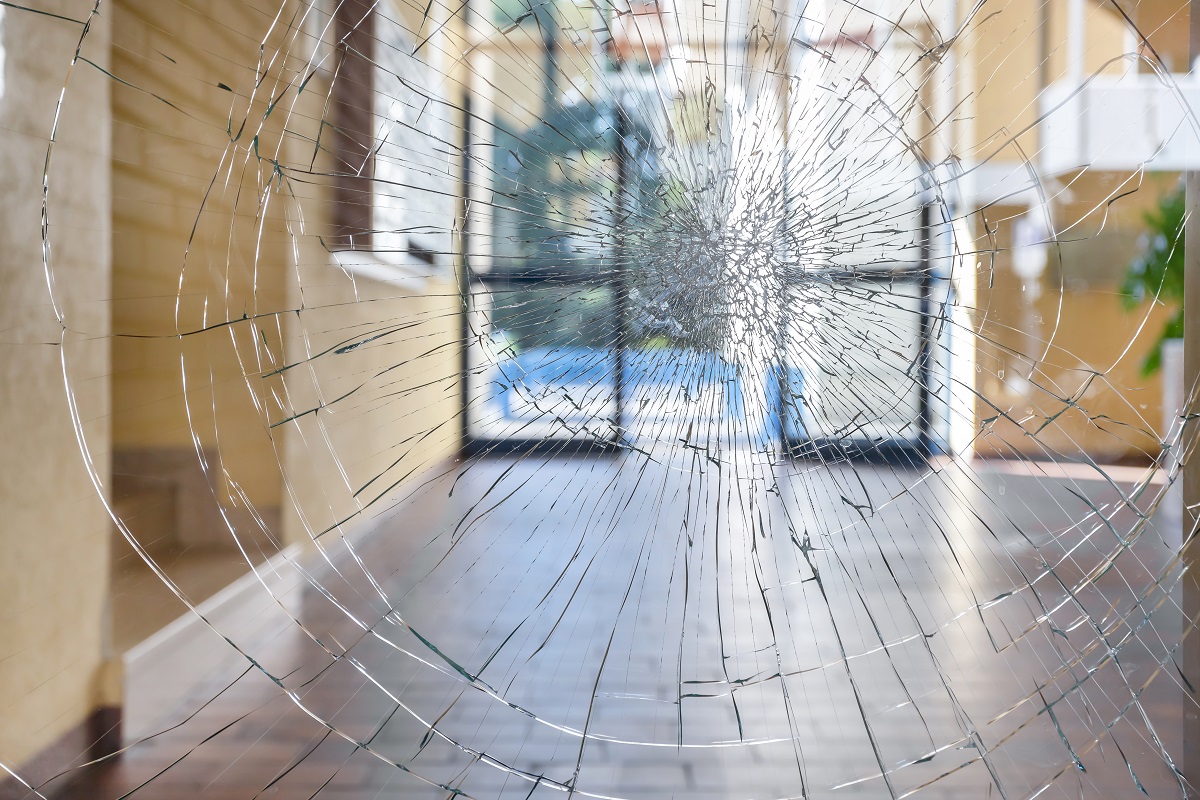
When untreated glass is hit with force, it breaks instantly. The structure collapses, fragments scatter, and the surface is no longer a barrier. This is what makes glass one of the weakest points in any building.
Security window film changes that behavior.
The film is applied directly to the glass and forms a strong bond with the surface. Once installed, the glass and film act as a single unit rather than two separate layers.
When impact occurs, the sequence looks different:
The glass cracks under pressure
The film holds the broken pieces together
The surface remains in place instead of collapsing
This does not make the glass unbreakable. That is not the goal.
The goal is to control failure.
By keeping the glass intact after it cracks, the film:
Slows down forced entry attempts
Reduces the risk of flying glass fragments
Maintains a temporary barrier instead of immediate exposure
In a real-world scenario, this delay is critical.
A break-in attempt becomes more difficult and time-consuming. Instead of quick access, the intruder faces resistance. In many cases, that added time is enough to discourage the attempt or allow for a response.
At the same time, inside the building, the risk of injury drops significantly. Instead of shattered glass spreading across the area, the fragments stay contained.
This is the key idea to understand.
Security window film does not rely on preventing impact. It works by controlling what happens after impact, which is where most of the real damage and liability occur.
What Risks Does It Protect Against?
Most businesses do not think about glass as a risk until something goes wrong. The problem is that when glass fails, the consequences are immediate and often expensive.
Commercial security window film is designed to reduce those risks by controlling how glass behaves under stress or impact.
Here are the main risks it helps address.
Break-ins and forced entry
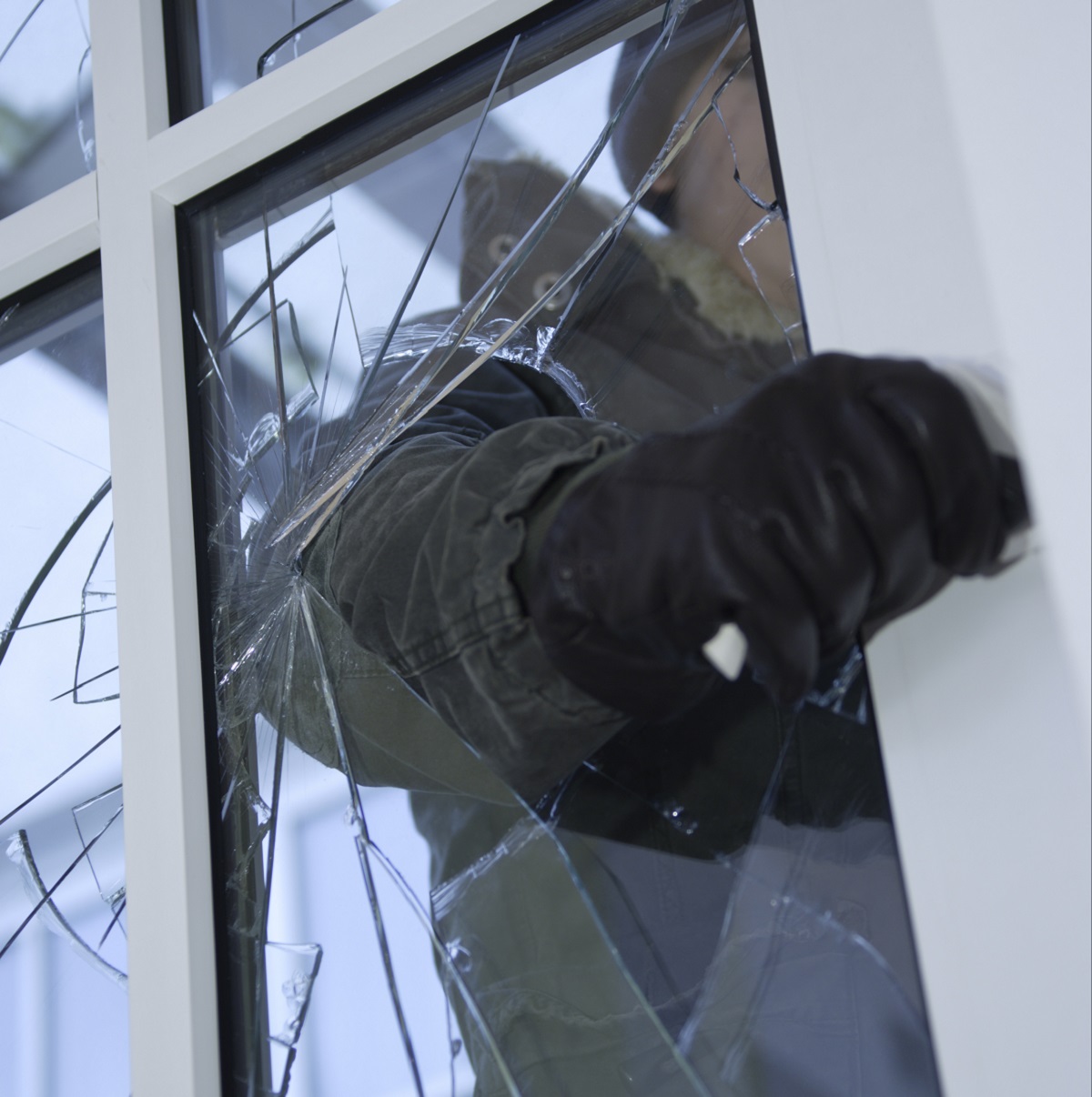
Glass doors and ground-level windows are one of the fastest ways into a building. Without reinforcement, access can be gained in seconds.
Security window film slows that process down.
It makes entry more difficult and time-consuming
It reduces the chance of a quick, clean break-in
It increases the likelihood that the attempt is abandoned
That delay alone can make a significant difference in real situations.
Workplace injuries
When glass shatters, it creates sharp, scattered fragments that can cause serious harm. In an office environment, this immediately becomes a liability issue.
Security film helps reduce that risk by keeping the broken glass in place.
Fewer airborne or scattered fragments
Lower chance of injury to employees and visitors
Reduced exposure to legal claims
For businesses, this is not just about safety. It is about responsibility.
Vandalism
Vandalism often targets visible glass surfaces because they are easy to damage. Even minor incidents can lead to costly repairs and disruption.
With security film:
Damage stays contained instead of spreading
Cleanup becomes easier and safer
The visual impact is reduced
This helps limit both the financial and operational impact of the incident.
Accidental impact
Not all damage is intentional. In office environments, accidents happen more often than expected.
Think about:
Equipment being moved
Slips or falls near glass partitions
High foot traffic in tight spaces
Security film provides an added layer of protection in these situations by preventing glass from becoming a hazard when it breaks.
The key takeaway is simple.
The risk is not just that glass can break. The real risk is what happens after it does.
Security window film gives you control over that moment, reducing the impact on people, property, and your business overall.
Why Office and Corporate Buildings Need It
Office environments are built around openness. Large windows, glass doors, and interior partitions are common because they create a modern and professional space.
But that same design introduces risk.
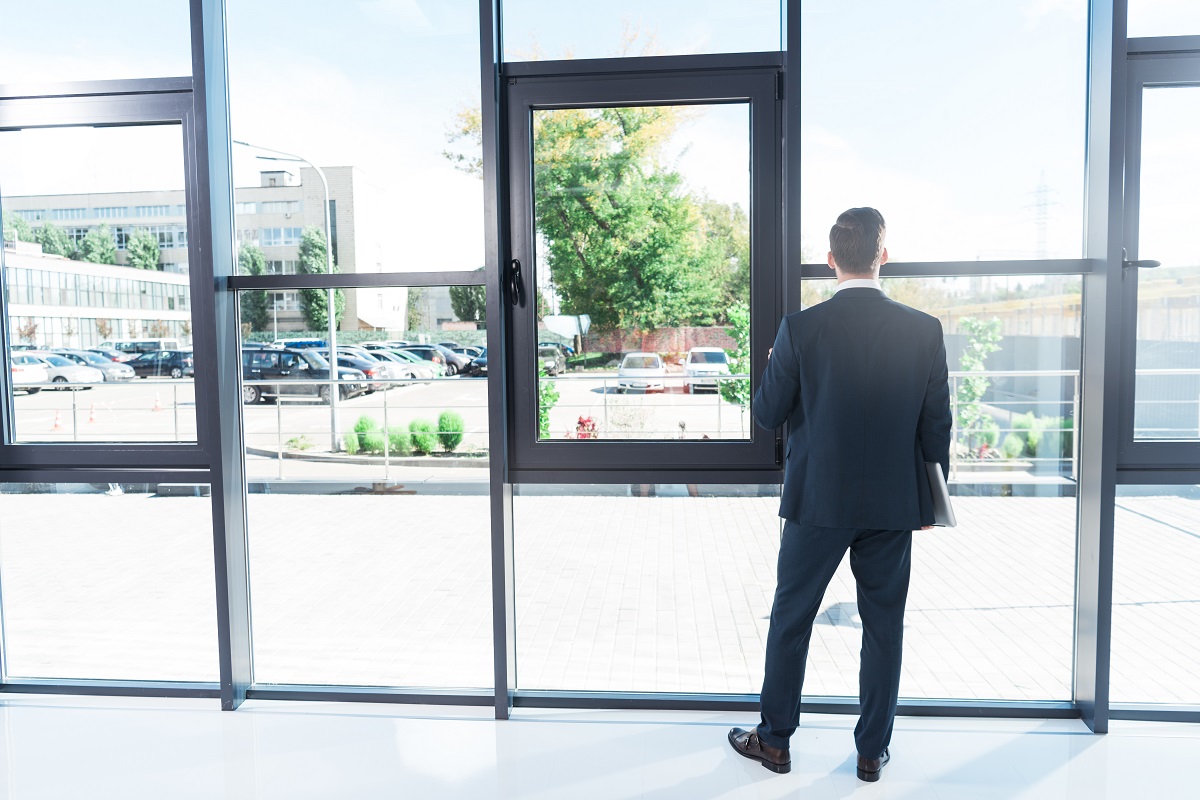
Compared to other property types, offices have a unique combination of exposure and responsibility. You are not just protecting assets. You are responsible for the safety of employees, clients, and visitors who move through that space every day.
Several factors increase that risk.
High foot traffic throughout the day
Frequent use of glass partitions and entry points
Public-facing access in many corporate locations
This means incidents are not rare edge cases. They are realistic scenarios that can happen at any time.
When glass fails in an office setting, the impact is immediate. It affects people first, then operations, and finally liability.
For example:
A cracked glass door during peak hours can lead to injury
A break-in attempt can disrupt operations and damage trust
A minor accident can escalate into a legal issue
These are not just security concerns. They are business risks.
This is why security window film makes more sense in office environments than in many other settings. It addresses a vulnerability that is already built into the structure of the space.
Instead of changing how the office looks or operates, it reinforces what is already there. It allows you to maintain the open design while reducing the risk that comes with it.
For decision-makers, this is the key shift. You are not adding another system. You are strengthening a weak point that already exists.
Benefits for Businesses
At this point, the value of security window film becomes clearer. It is not just about preventing damage. It is about reducing risk across multiple areas of your business without adding complexity.
For office and corporate environments, the benefits are both practical and strategic.
Reduces injury and liability risk
Glass-related incidents can quickly turn into legal and financial problems. When glass shatters, the risk of injury increases immediately.
Security window film helps control that outcome.
Keeps broken glass contained
Reduces the chance of injury
Lowers exposure to liability claims
For decision-makers, this is one of the most important advantages.
Strengthens security without visible changes
Many physical security solutions change how a building looks or operates. Bars, shutters, and barriers can affect both appearance and experience.
Security film works differently.
Remains invisible after installation
Does not block light or visibility
Preserves the design of the space
You improve protection without compromising the environment.
Works continuously without user action
Unlike some security systems, window film does not require activation or monitoring.
No switching on or off
No dependency on staff
No ongoing operation required
It is always in place, providing passive protection at all times.
Maintains a professional environment
For corporate buildings, appearance matters. Clients, partners, and employees all interact with the space.
Security window film allows you to maintain:
A clean and modern look
Open, well-lit environments
A professional first impression
While still improving safety and security behind the scenes.
More cost-effective than structural upgrades
Replacing glass or installing physical barriers can be expensive and disruptive.
Security window film offers a more efficient alternative.
Lower installation cost
Minimal disruption during application
Long-term protection without major changes
It delivers meaningful risk reduction without requiring major investment or renovation.
The overall benefit is simple. You strengthen one of the most vulnerable parts of your building in a way that is practical, discreet, and aligned with how offices actually operate.
Security Film vs Other Protection Methods
When businesses think about improving security, they usually consider visible or reactive solutions. These options can help, but they often come with trade-offs in cost, appearance, or effectiveness.
To understand where security window film fits, it helps to compare it with common alternatives.
Bars and shutters
Physical barriers like metal bars or shutters are designed to block access completely. They can be effective, but they change how a building looks and feels.
They are visible from both inside and outside
They can make a space feel restricted or less welcoming
They impact the overall appearance of the building
For office environments, this can conflict with the need for a clean and professional image.
Alarm systems
Alarm systems are a standard part of most buildings. They are useful, but they work after something has already happened.
They trigger after glass is broken or entry is made
They rely on response time
They do not prevent the initial damage
This means the incident still occurs, even if it is detected quickly.
Security window film
Security window film takes a different approach. Instead of reacting after the fact, it works at the point of impact.
It is always active and does not require operation
It is invisible and does not affect the building’s appearance
It slows down threats before they escalate
This makes it a complementary solution rather than a replacement. It works alongside alarms and surveillance systems to reduce the severity of incidents.
The key difference is timing. Most systems respond after damage occurs. Security window film helps control what happens before that damage fully develops.
That shift can significantly reduce both risk and consequences for your business.
When Should You Consider Security Window Film?
Not every building needs the same level of protection. The goal is not to over-secure your space. It is to identify where your actual risks exist and address them before they turn into problems.
For office and corporate environments, there are clear signals that your glass may be a vulnerability.
You should seriously consider security window film if your building has:
Ground-floor offices or easily accessible entry points
Large glass panels, storefront-style windows, or glass doors
High foot traffic from employees, clients, or visitors
Public-facing exposure in busy or unpredictable areas
These conditions increase the likelihood of both intentional and accidental incidents.There is also a second layer to consider. Liability.
If your responsibility includes:
Employee safety
Client and visitor protection
Maintaining a secure and professional environment
Then reinforcing your glass becomes a practical decision, not an optional upgrade. Another way to look at it is through scenario thinking.
Ask yourself:
What happens if this glass breaks during working hours?
How quickly could someone gain access through it?
What would the impact be on people inside the space?
If those questions create uncertainty, that is your signal.
Security window film is most valuable when applied before an incident. After something happens, the decision becomes reactive and often more expensive.
The businesses that benefit most from it are not the ones that wait for a problem. They are the ones that identify exposure early and close the gap before it turns into a real risk.
Common Mistakes to Avoid
Many businesses decide to improve security only after an incident. Even when they take action, they often make choices that reduce the effectiveness of the solution.
If you are considering security window film, avoiding these mistakes is just as important as choosing the right product.
Choosing based on price only
It is common to compare options based on cost alone. Lower-priced films may seem attractive, but they often lack the strength needed for real protection.
Thinner materials provide limited resistance
Performance under impact is weaker
Long-term durability is reduced
This turns what should be a security solution into a cosmetic upgrade.
Confusing solar film with security film
Not all window films serve the same purpose. Solar or decorative films are designed for heat reduction, glare control, or aesthetics.
They are not built to handle impact.
They do not hold glass together under stress
They provide little to no protection against break-ins
They fail when real force is applied
Using the wrong type of film creates a false sense of security.
Poor or non-professional installation
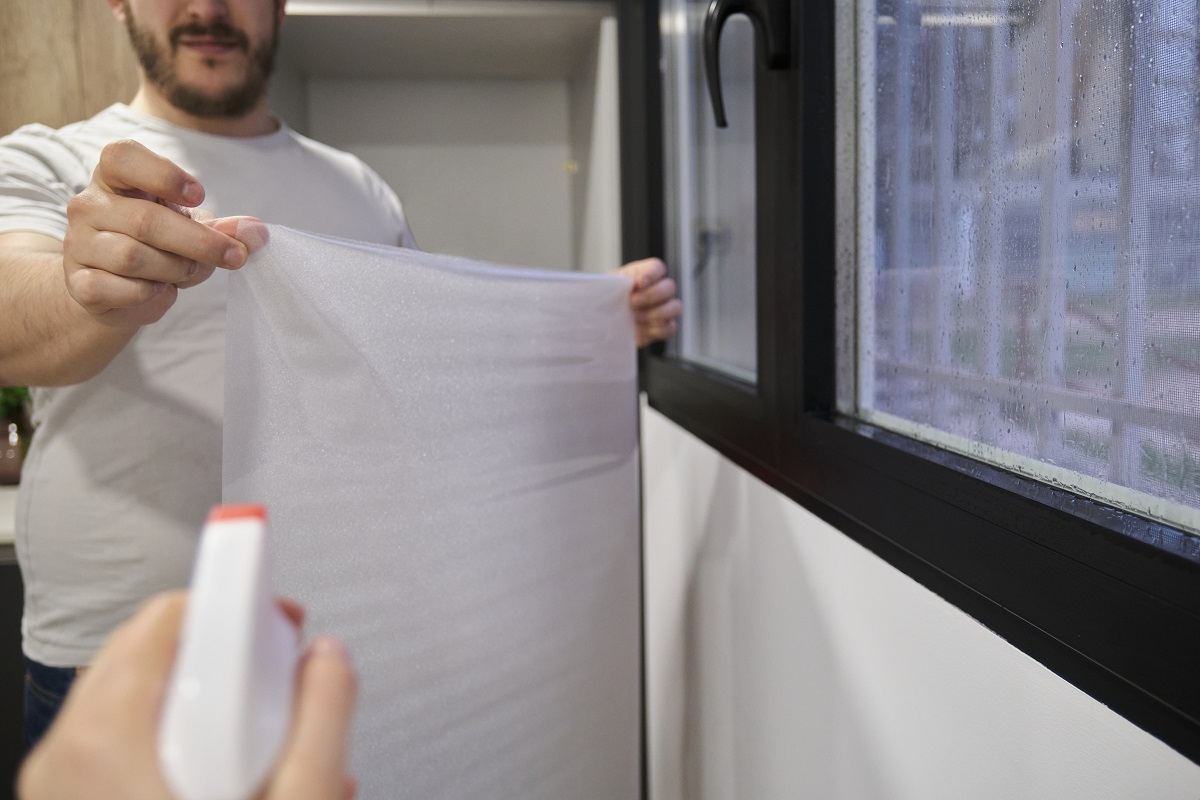
Even high-quality film can fail if it is not installed correctly. Proper adhesion and edge sealing are critical for performance.
Gaps or weak bonding reduce effectiveness
Improper installation can lead to early failure
Performance during impact becomes unpredictable
Installation is not just a step in the process. It directly affects how the film performs when it matters most.
Covering only part of the glass
Some businesses try to reduce cost by applying film only to selected areas. This creates weak points that can be easily exploited.
Unprotected sections remain vulnerable
Entry can still be gained through exposed glass
Overall protection becomes inconsistent
Security works as a system. Partial coverage weakens that system.
The pattern is clear. Most mistakes come from treating security window film as a simple add-on instead of a functional safety solution.
When approached correctly, it strengthens your building. When approached incorrectly, it leaves the same risks in place, just with a different appearance.
What to Look for in a Commercial Installation
Choosing the right security window film is only part of the decision. The real performance comes from how it is selected, specified, and installed.
For office and corporate buildings, you need to focus on a few key factors that directly impact results.
Film thickness and performance rating
Not all security films are built the same. Thickness plays a major role in how the film performs under impact.
Thicker films provide stronger resistance
Higher-grade materials hold glass together more effectively
Performance ratings indicate how the film behaves under stress
This is where quality directly affects safety.
Professional installation
Installation is not just a technical step. It determines whether the film will actually perform when needed.
Proper bonding ensures the film adheres fully to the glass
Edge sealing helps maintain structural integrity during impact
Experienced installers reduce the risk of failure points
A poorly installed film will not deliver the protection you expect.
Experience with commercial environments
Office buildings are different from residential spaces. They involve:
Larger glass surfaces
Higher usage and traffic
Greater liability exposure
Working with a provider that understands commercial requirements ensures the solution is applied correctly across the entire space.
Warranty and long-term durability
Security window film is a long-term investment. It should perform consistently over time without degradation.
Look for clear warranty coverage
Ensure the film is designed for long-term use
Confirm resistance to wear, peeling, or discoloration
This protects both your investment and your building over the long term.
The key point is simple. You are not just buying a product. You are implementing a protection system.
The quality of the material and the quality of the installation together determine whether that system actually works when it matters.
Frequently Answer Questions
This section is designed for fast scanning and direct answers. It helps both readers and search engines extract key information quickly.
Does security window film prevent break-ins?
No. It does not make glass impossible to break.
It slows down entry and increases the effort required, which often discourages or stops the attempt.
Does security window film make glass unbreakable?
No. The glass can still crack under force.
The film holds the broken pieces together, preventing dangerous shattering and maintaining a temporary barrier.
Is security window film visible?
No. It is designed to be clear and maintain the original appearance of the glass.
It does not affect visibility, light, or the overall look of the space.
Is it worth it for office buildings?
Yes. Especially for buildings with:
High foot traffic
Large glass surfaces
Increased responsibility for safety and liability
It reduces risk without changing how the office operates.
Security Starts with Surfaces
Most businesses think of security as systems they install. Cameras. Alarms. Access control.
These are important, but they all share the same limitation. They respond after something happens.
Your building’s security is not just about systems.
It is about the physical points where failure can happen.
Glass is one of the most exposed and least reinforced surfaces in most office environments. It is visible, accessible, and often ignored until it becomes a problem.
When it fails, the impact is immediate.
People can get injured
Operations can be disrupted
Liability can escalate quickly
Reinforcing your glass changes that outcome. It does not add complexity. It does not change how your space looks or functions. It simply reduces the risk at one of the most critical points in your building.
You don’t control when an incident happens. But you are responsible for what happens after it does.
One broken glass panel can turn into:
an injured employee
a legal claim
a situation that could have been prevented
Strengthening your glass isn’t an upgrade. It’s a decision about how seriously you take the safety of the people inside your building.
👉 Evaluate your risk and see how commercial window film can protect your space