Vehicle Wrap Care & Maintenance Guide
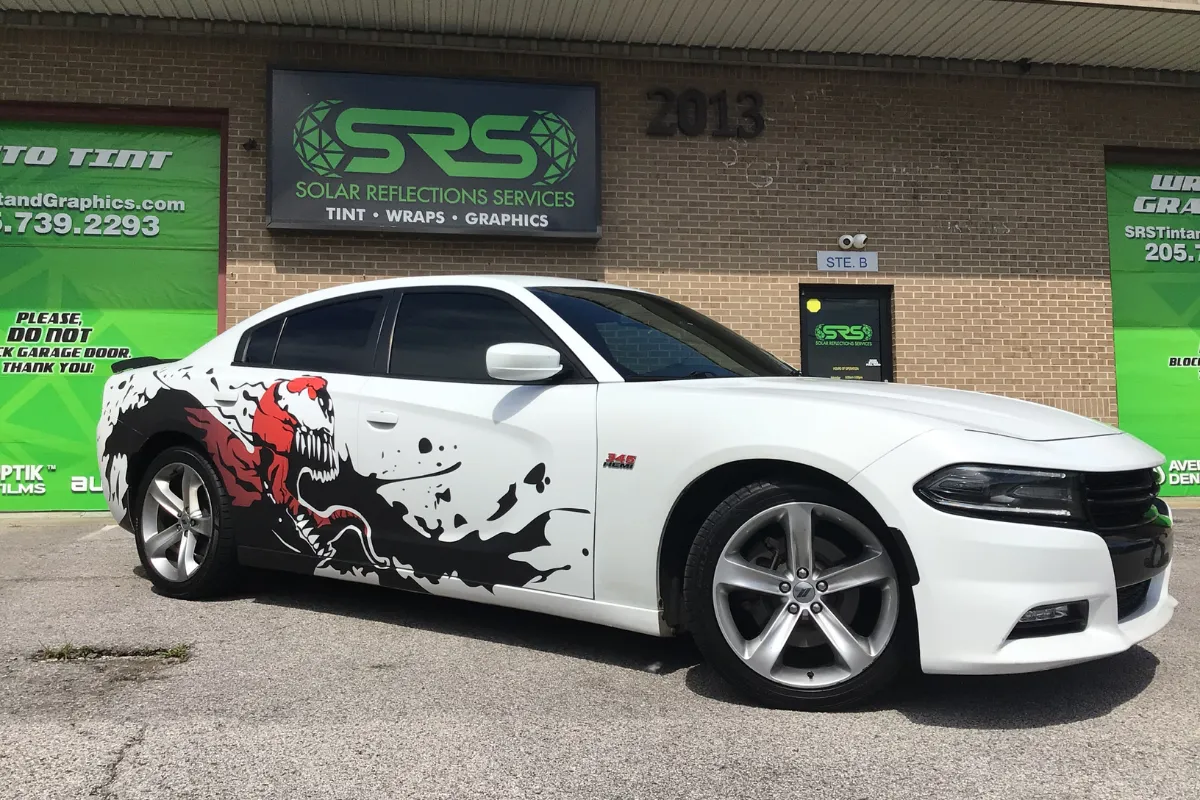
Your vehicle wrap is more than a visual upgrade; it’s a mobile advertising asset and a direct reflection of your brand. Proper vehicle wrap care and maintenance protects color, finish, and adhesion while maximizing the lifespan and return on your investment.
At Solar Reflection Services, we install premium wrap films using manufacturer-approved methods and expert craftsmanship. This guide outlines professional wrap care instructions designed to help business owners, fleet managers, and professionals keep their vehicles looking sharp, consistent, and road-ready.
Whether you operate a single branded vehicle or manage an entire fleet, following these best practices helps prevent premature fading, edge lifting, and surface damage; ensuring your wrap continues to deliver visibility, credibility, and ROI.
First 24–72 Hours After Installation
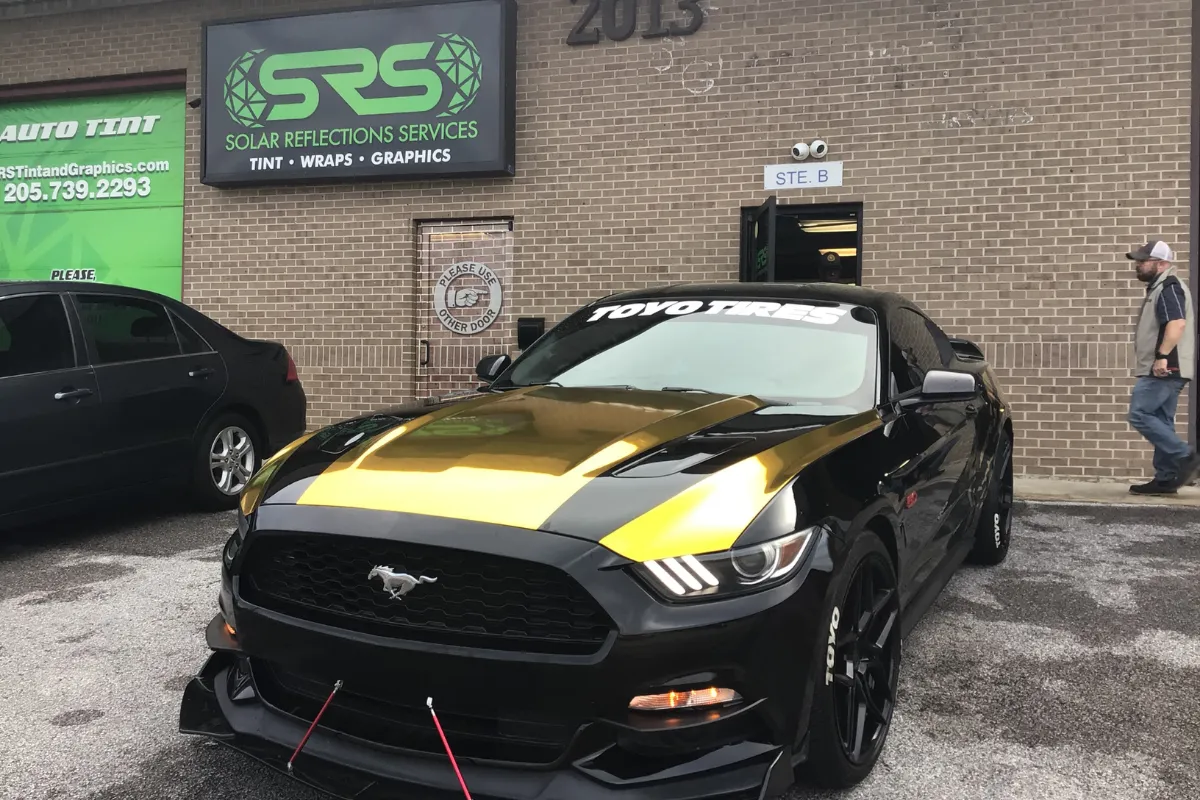
The first 24–72 hours after installation are critical to the long-term performance of your vehicle wrap. During this period, the adhesive is still curing and forming a permanent bond with the vehicle’s surface.
What to Do
Do not wash the vehicle during the curing period.
Drive normally, but inspect edges and seams after longer or highway drives.
If you notice a small lifted edge, gently press it back into place with clean hands.
What to Avoid
No pressure washing or automatic car washes
Avoid fuel spills, especially near edges and seams
Remove bug splatter or tar promptly using wrap-safe cleaners only
Do not apply waxes, sealants, or coatings during curing
If lifting, bubbling, or adhesion concerns persist after curing, contact Solar Reflection Services immediately. Early adjustments are quick and help prevent larger issues.
First 24–72 Hours After Installation
The first 24–72 hours after installation are critical to the long-term performance of your vehicle wrap. During this period, the adhesive is still curing and forming a permanent bond with the vehicle’s surface.
What to Do
Do not wash the vehicle during the curing period.
Drive normally, but inspect edges and seams after longer or highway drives.
If you notice a small lifted edge, gently press it back into place with clean hands.
What to Avoid
No pressure washing or automatic car washes
Avoid fuel spills, especially near edges and seams
Remove bug splatter or tar promptly using wrap-safe cleaners only
Do not apply waxes, sealants, or coatings during curing
If lifting, bubbling, or adhesion concerns persist after curing, contact Solar Reflection Services immediately. Early adjustments are quick and help prevent larger issues.
Washing & Drying Your Vehicle Wrap
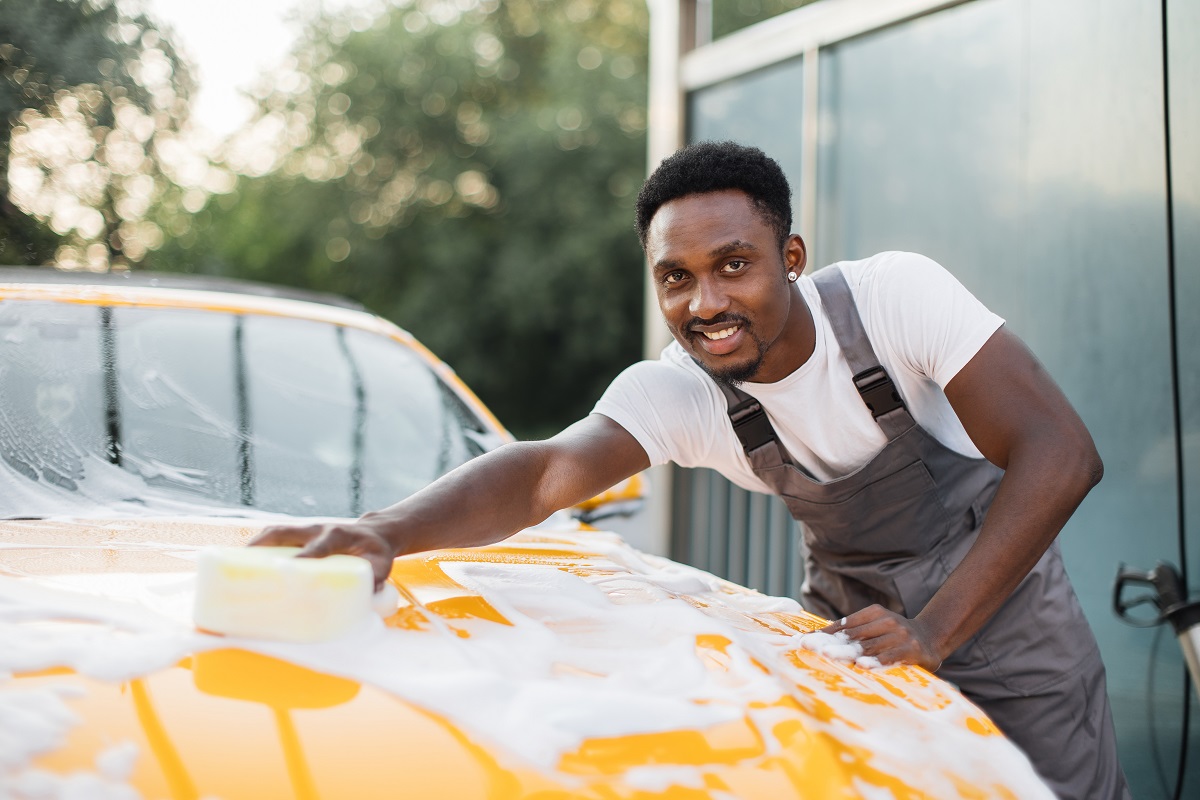
Proper cleaning is essential to preserving your wrap’s appearance and durability. Using incorrect methods or harsh products can shorten the life of the vinyl and impact warranty coverage.
Hand Washing (Recommended)
Rinse thoroughly to remove loose dirt and grit.
Use a pH-neutral automotive shampoo labeled safe for vinyl wraps.
Wash with a clean microfiber wash mitt using light pressure.
Avoid aggressive scrubbing near edges, seams, and corners.
Rinse completely and dry with soft microfiber towels.
Bug splatter, bird droppings, tree sap, and fuel residue should be removed as soon as possible to prevent staining or surface damage.
Pressure Washing & Automatic Car Washes
Pressure washing is acceptable only if done correctly:
Nozzle at least 36 inches away
Pressure under 1200 PSI
Spray perpendicular to the surface
Never spray directly at edges or seams
Avoid brush-style car washes
Touchless washes are acceptable if chemicals are wrap-safe
Avoid hot wax or high-heat drying cycles unless labeled vinyl-safe
Washing & Drying Your Vehicle Wrap
Proper cleaning is essential to preserving your wrap’s appearance and durability. Using incorrect methods or harsh products can shorten the life of the vinyl and impact warranty coverage.
Hand Washing (Recommended)
Rinse thoroughly to remove loose dirt and grit.
Use a pH-neutral automotive shampoo labeled safe for vinyl wraps.
Wash with a clean microfiber wash mitt using light pressure.
Avoid aggressive scrubbing near edges, seams, and corners.
Rinse completely and dry with soft microfiber towels.
Bug splatter, bird droppings, tree sap, and fuel residue should be removed as soon as possible to prevent staining or surface damage.
Pressure Washing & Automatic Car Washes
Pressure washing is acceptable only if done correctly:
Nozzle at least 36 inches away
Pressure under 1200 PSI
Spray perpendicular to the surface
Never spray directly at edges or seams
Avoid brush-style car washes
Touchless washes are acceptable if chemicals are wrap-safe
Avoid hot wax or high-heat drying cycles unless labeled vinyl-safe
Protection & Storage
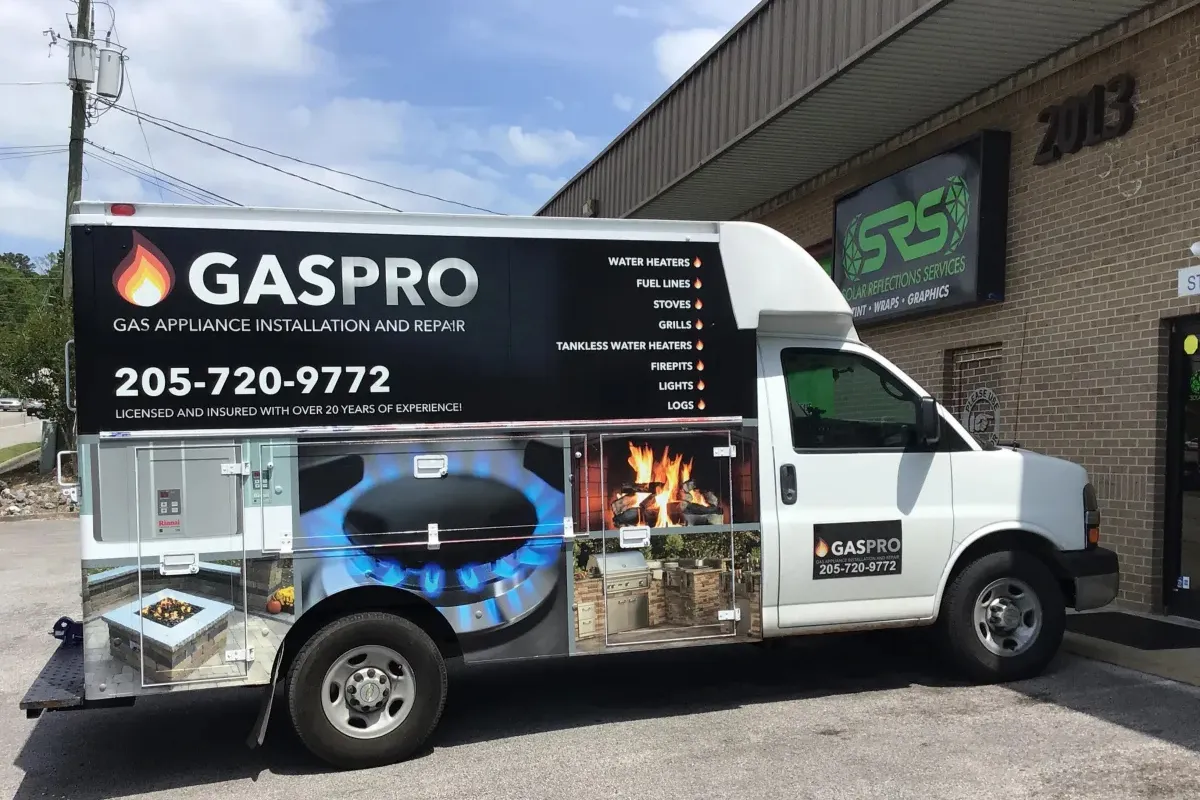
Environmental exposure plays a major role in wrap longevity. Proper protection helps maintain color accuracy, finish quality, and surface integrity.
What to use:
Use spray sealants or ceramic coatings designed specifically for vinyl wraps
Avoid petroleum-based products, harsh solvents, or abrasive compounds
Do not use traditional paint polish on wrapped surfaces
Matte & Satin Wraps:
Use only products designed to preserve the original sheen. Gloss-enhancing products can permanently alter the finish.
Parking & Environmental Protection
Park indoors or under cover whenever possible
Reduce prolonged UV exposure, especially for darker colors
If using a vehicle cover, ensure it is breathable and wrap-safe
For fleets, consistent care across all vehicles helps maintain a cohesive, professional brand image.
Repairs & Lifespan
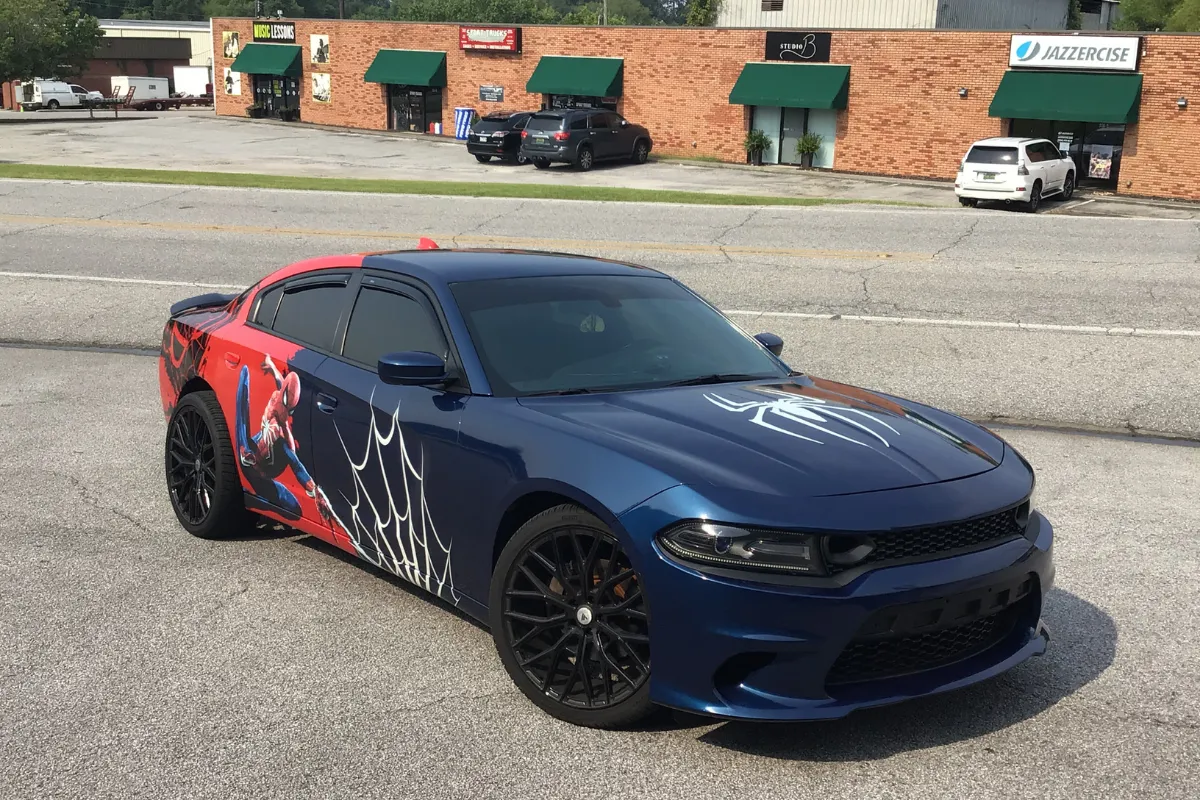
One of the major advantages of vehicle wraps is serviceability. When properly maintained, wraps deliver years of performance and repairs are often simple.
Repairs & Touch-Ups
Individual panels or sections can be reprinted and replaced
No need to rewrap the entire vehicle for localized damage
Provides advanced UV protection
Early repair prevents damage from spreading and reduces downtime
Early repair prevents damage from spreading and reduces downtime
Expected Wrap Lifespan
Wrap lifespan varies based on:
Film manufacturer and material
Color and finish
Environmental exposure
Cleaning habits and storage
Our team can provide a film-specific lifespan estimate based on your installation and usage.
Repairs & Lifespan
One of the major advantages of vehicle wraps is serviceability. When properly maintained, wraps deliver years of performance and repairs are often simple.
Repairs & Touch-Ups
Individual panels or sections can be reprinted and replaced
No need to rewrap the entire vehicle for localized damage
Provides advanced UV protection
Early repair prevents damage from spreading and reduces downtime
Early repair prevents damage from spreading and reduces downtime
Expected Wrap Lifespan
Wrap lifespan varies based on:
Film manufacturer and material
Color and finish
Environmental exposure
Cleaning habits and storage
Our team can provide a film-specific lifespan estimate based on your installation and usage.
Warranty & Support
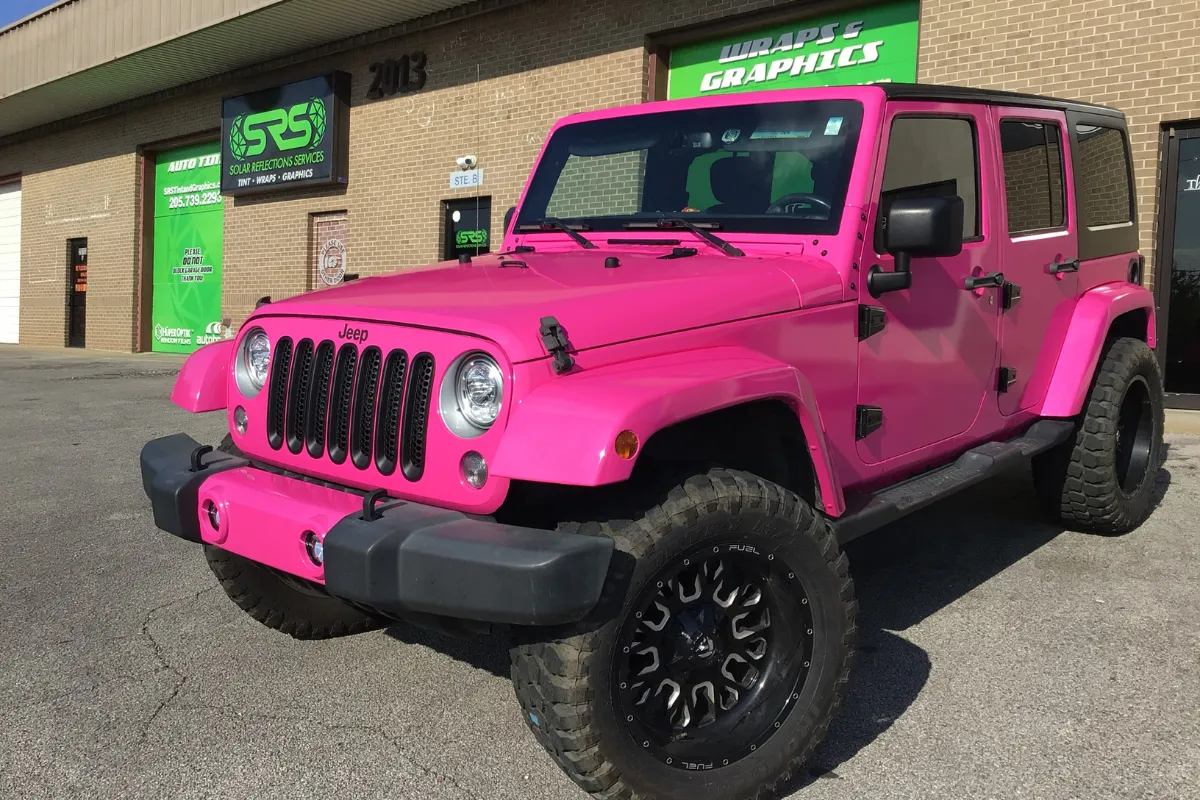
At Solar Reflection Services, we stand behind our workmanship and the premium films we install.
Manufacturer warranties apply based on the specific film used
Extended and no-fault warranty options are available for wraps and window tint
Early reporting helps us resolve concerns quickly and accurately
Our team is always available to assist with care questions, inspections, or service recommendations.
Warranty & Support
At Solar Reflection Services, we stand behind our workmanship and the premium films we install.
Manufacturer warranties apply based on the specific film used
Extended and no-fault warranty options are available for wraps and window tint
Early reporting helps us resolve concerns quickly and accurately
Our team is always available to assist with care questions, inspections, or service recommendations.
Wrap Care FAQ
Can I ceramic-coat my vehicle wrap?
Yes. Use ceramic coatings formulated for vinyl. Matte and satin wraps require products designed to maintain their original finish.
How often should I wash my wrapped vehicle?
Every 1–2 weeks, or more frequently for high-mileage or fleet vehicles.
Can I pressure wash my vehicle wrap?
Yes, if pressure stays under 1200 PSI, the nozzle remains 36 inches away, and edges are avoided.
Do vehicle wraps fade over time?
All vinyl weathers gradually, but proper care and reduced UV exposure significantly extend appearance and lifespan.
What if part of my wrap gets damaged?
Individual panels can be replaced without redoing the entire wrap.
Schedule a Vehicle Wrap Consultation
What Client Our Says About Us


Solar Reflections Services provides professional window tinting, specialty films, vehicle wraps, and custom graphics installed with precision, backed by experience, and built to last.
Services
About SRS
Privacy Policy | Term & Condition | FAQ
Copyright © 2026 Solar Reflections Services. All rights reserved.
Powered by Kyrios Systems
Solar Reflections Services provides professional window tinting, specialty films, vehicle wraps, and custom graphics installed with precision, backed by experience, and built to last.