
Window Tint Care Guide

Thank you for choosing Solar Reflections Services. Your window tint is more than an upgrade; it’s a long-term investment in comfort, protection, and professional appearance.
Whether it’s a daily driver, luxury vehicle, or an entire business fleet, proper window tint care ensures your film performs exactly as designed for years to come.
This guide covers everything you need to know about window tint curing, cleaning, maintenance, troubleshooting, and warranty support, all in one place.
Why Proper Window Tint Care Matters
High-quality window tint delivers powerful benefits when cared for correctly:
Blocks up to 99% of harmful UV rays
Reduces interior heat and glare
Protects dashboards, upholstery, and electronics from fading
Enhances privacy and security
Maintains a sleek, professional appearance especially important for branded vehicles and fleets
For business owners, clean, well-maintained tint reinforces professionalism and brand trust every time your vehicle is on the road.
Why Proper Window Tint Care Matters
High-quality window tint delivers powerful benefits when cared for correctly:
Blocks up to 99% of harmful UV rays
Reduces interior heat and glare
Protects dashboards, upholstery, and electronics from fading
Enhances privacy and security
Maintains a sleek, professional appearance especially important for branded vehicles and fleets
For business owners, clean, well-maintained tint reinforces professionalism and brand trust every time your vehicle is on the road.
Understanding the Window Tint Curing Process
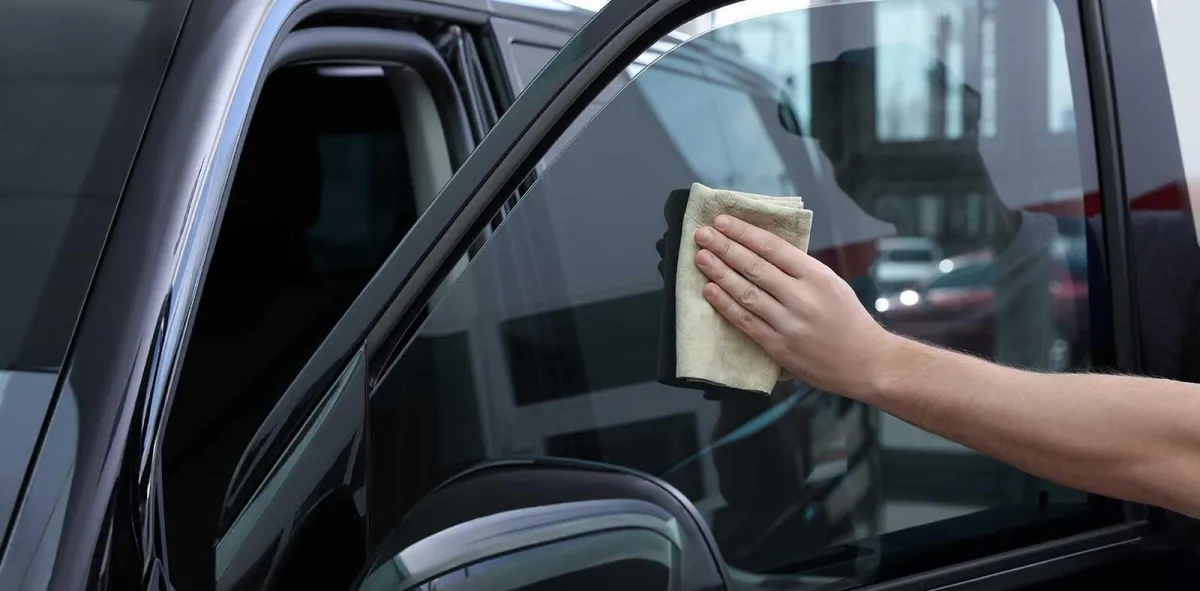
Window tint curing is the process where the adhesive fully bonds to the glass. This stage is critical; most tint issues occur when care instructions aren’t followed during curing.
How Long Does Window Tint Take to Cure?
Warm, dry weather:
3–7 daysCold or humid conditions:
up to 10–14 days
Humidity, temperature, and sun exposure all affect curing time.
First 48 Hours After Installation
(Up to 72 hours in cold or wet weather)
During this period:
Keep all windows rolled up
Avoid touching or pressing on the film
Do not clean the glass
Do not attach suction cups, decals, phone mounts, or tape
What’s normal during this phase:
Light haze or fogginess
Small water pockets or streaks
Slight distortion when viewed closely
These are temporary and part of the curing process.
Days 3–10: Continued Curing
As curing continues:
Haze or “silvering” may still be visible and will gradually disappear
Rear defrosters can be used gently; avoid scraping or aggressive use
Avoid automatic car washes with interior glass contact
Patience here protects your tint’s clarity and longevity.
Ongoing Window Tint Maintenance
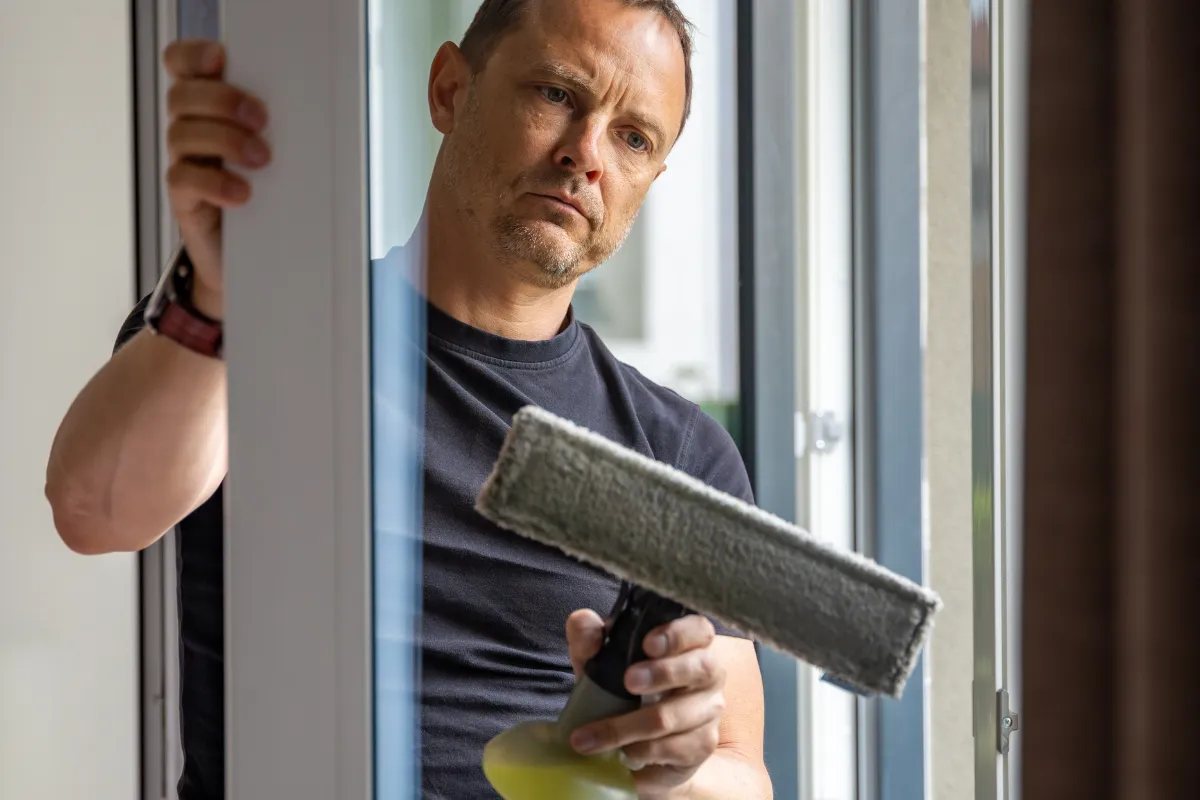
How to Clean Tinted Windows (Step-by-Step)
When to clean:
After 7 days (or 10 days in cold/humid climates)
What to use:
Ammonia-free glass cleaner
OR a mild soap and water solution (1:10 ratio)
Clean microfiber towel
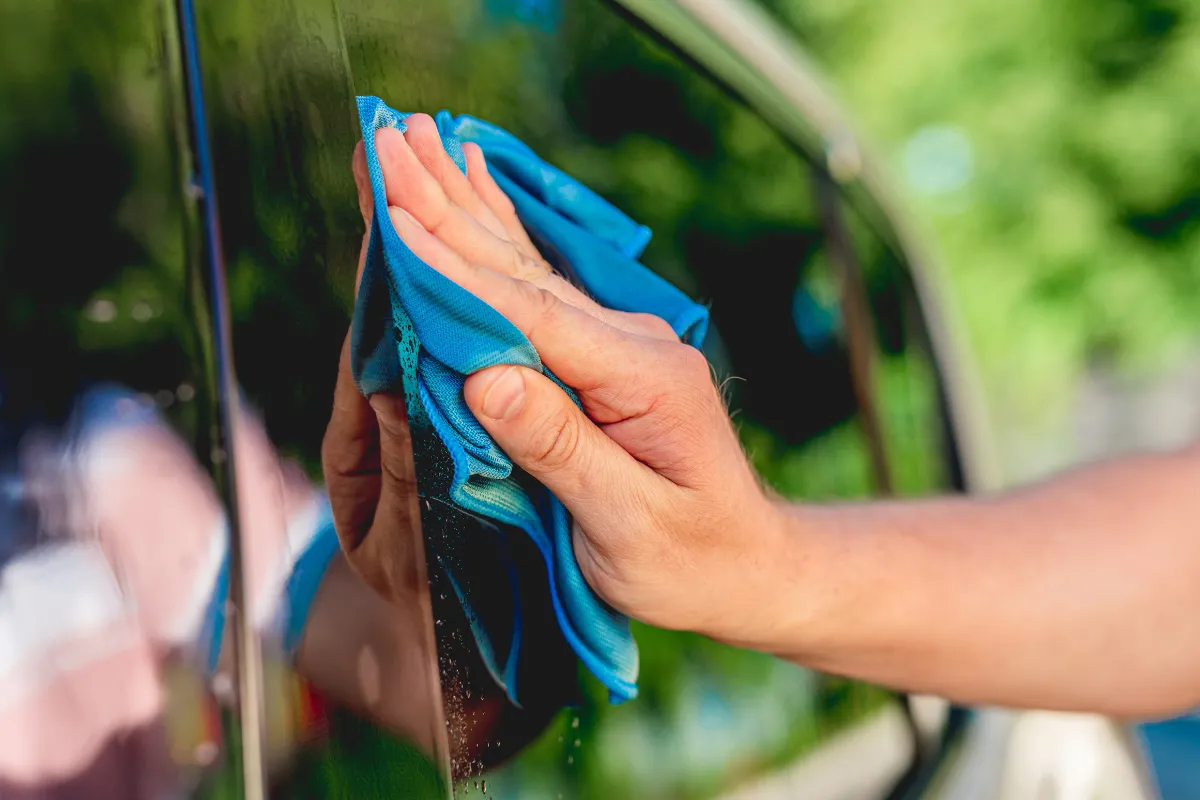
How to clean safely:
Lightly spray the towel, not the glass
Wipe gently using straight motions
Pay extra attention near edges, avoid excess moisture
Avoid
Ammonia, vinegar, or alcohol-based cleaners
Paper towels or abrasive cloths
Razor blades, scrapers, or rough tools
Ongoing Window Tint Maintenance
How to Clean Tinted Windows (Step-by-Step)
When to clean:
After 7 days (or 10 days in cold/humid climates)
What to use:
Ammonia-free glass cleaner
OR a mild soap and water solution (1:10 ratio)
Clean microfiber towel
How to clean safely:
Lightly spray the towel, not the glass
Wipe gently using straight motions
Pay extra attention near edges, avoid excess moisture
Avoid
Ammonia, vinegar, or alcohol-based cleaners
Paper towels or abrasive cloths
Razor blades, scrapers, or rough tools

Daily Habits That Extend Tint Life
Small habits make a big difference:
Park in shaded areas when possible
Use sunshades during extreme heat
Avoid placing objects against tinted glass
Clean regularly to prevent dirt buildup
These habits are especially important in high-UV and humid climates.
Ceramic & IR Window Tint Care
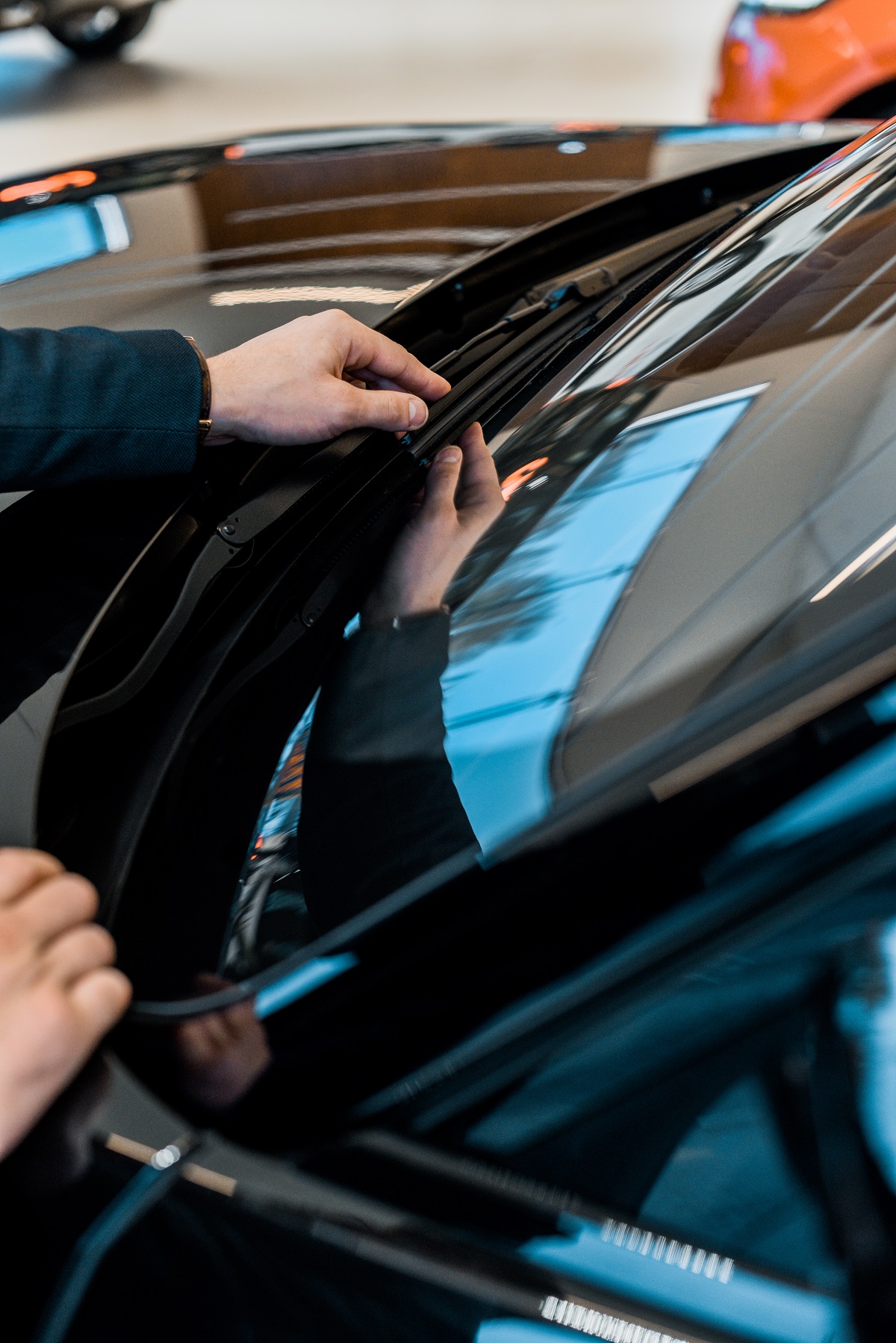
If your vehicle is equipped with ceramic or infrared (IR) window tint, good news; maintenance is just as easy.
Ceramic tint:
Requires the same cleaning process
Offers superior heat rejection
Provides advanced UV protection
Maintains clarity without metal interference
If you’re considering upgrading, ask us about ceramic and IR heat-rejection films for maximum comfort and performance.
Fleet & Business Vehicle Tint Care
For business owners and fleet managers, consistent care protects branding and ROI.
Best practices for fleets:
Establish a regular cleaning schedule
Use approved ammonia-free products across all vehicles
Train drivers on what not to attach to tinted windows
Inspect vehicles monthly for damage or wear
Well-maintained tint keeps your fleet looking professional and reinforces your brand every mile.
Ceramic & IR Window Tint Care
If your vehicle is equipped with ceramic or infrared (IR) window tint, good news; maintenance is just as easy.
Ceramic tint:
Requires the same cleaning process
Offers superior heat rejection
Provides advanced UV protection
Maintains clarity without metal interference
If you’re considering upgrading, ask us about ceramic and IR heat-rejection films for maximum comfort and performance.
Fleet & Business Vehicle Tint Care
For business owners and fleet managers, consistent care protects branding and ROI.
Best practices for fleets:
Establish a regular cleaning schedule
Use approved ammonia-free products across all vehicles
Train drivers on what not to attach to tinted windows
Inspect vehicles monthly for damage or wear
Well-maintained tint keeps your fleet looking professional and reinforces your brand every mile.
Common Window Tint Issues & Troubleshooting
Bubbles After Installation
These habits are especially important in high-UV and humid climates.
If they disappear within 7–14 days: no action needed
If bubbles remain after two weeks: contact us for inspection
These habits are especially important in high-UV and humid climates.
Hazy or Cloudy Tint
Temporary haze is common early on. Persistent haze after full curing may indicate contamination or improper bonding.
Dot-Matrix Bands Explained
Ceramic “dot” areas around rear windows may appear lighter initially. As adhesive sets, appearance typically evens out.
Window Tint Warranty & Support
We stand behind our craftsmanship and the premium films we install.
Manufacturer-backed warranties
Extended and no-fault warranty options available
Expert installation by trained professionals
If you notice defects after curing, we’ll make it right.
Window Tint Warranty & Support
We stand behind our craftsmanship and the premium films we install.
Manufacturer-backed warranties
Extended and no-fault warranty options available
Expert installation by trained professionals
If you notice defects after curing, we’ll make it right.
Window Tint Care FAQs
When can I roll down my windows after tinting?
After 48–72 hours, depending on weather conditions.
What’s the best cleaner for window tint?
Ammonia-free auto glass cleaner or mild soap and water.
Can I use paper towels on tinted windows?
No—use microfiber only.
Is ceramic tint harder to maintain?
No—ceramic tint requires the same care with better performance.
Does window tint help protect interiors?
Yes—tint significantly reduces UV damage and fading.
Schedule a Window Tint Consultation
What Client Our Says About Us


Solar Reflections Services provides professional window tinting, specialty films, vehicle wraps, and custom graphics installed with precision, backed by experience, and built to last.
Services
About SRS
Privacy Policy | Term & Condition | FAQ
Copyright © 2026 Solar Reflections Services. All rights reserved.
Powered by Kyrios Systems
Solar Reflections Services provides professional window tinting, specialty films, vehicle wraps, and custom graphics installed with precision, backed by experience, and built to last.