
Why Your Business Isn’t Getting Noticed on the Road
Why Your Business Isn’t Getting Noticed on the Road
Why Most Business Vehicles Go Unnoticed
The Hidden Cost of Low Visibility
What Are Vehicle Wraps for Business?
How Vehicle Wraps Turn Vehicles Into Marketing Assets
Are Vehicle Wraps Effective Advertising?
Why Fleet Branding Matters More Than You Think
Common Concerns About Vehicle Wraps (And the Reality)
Most businesses don’t realize how much opportunity is lost without clear, visible branding; those vehicles aren’t doing anything to help you get noticed.
Fuel. Maintenance. Insurance. Payroll. Every mile costs you something. Yet the same vehicles moving through your service area every day are practically invisible.
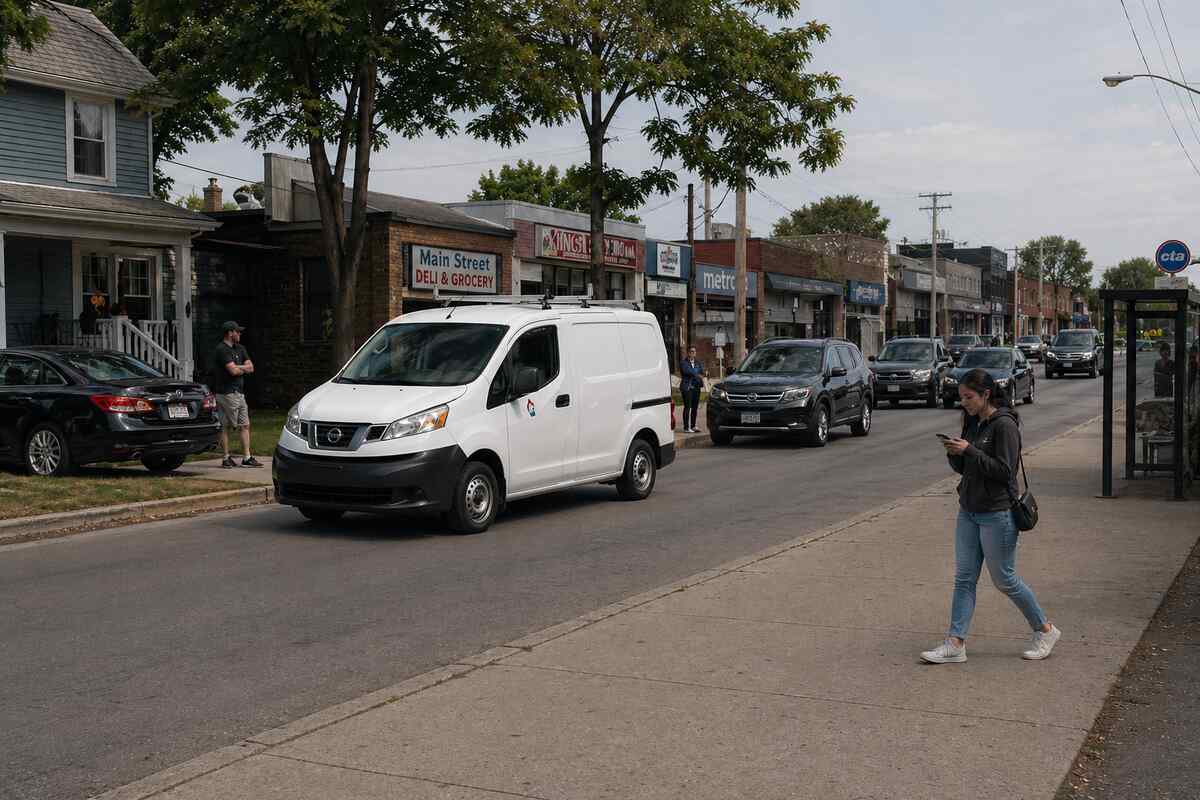
Picture this. One of your vans pulls up to a job site. Clean. Well-maintained. Maybe a small logo on the door. It leaves 45 minutes later. No one remembers it. No one searches your name. No one calls.
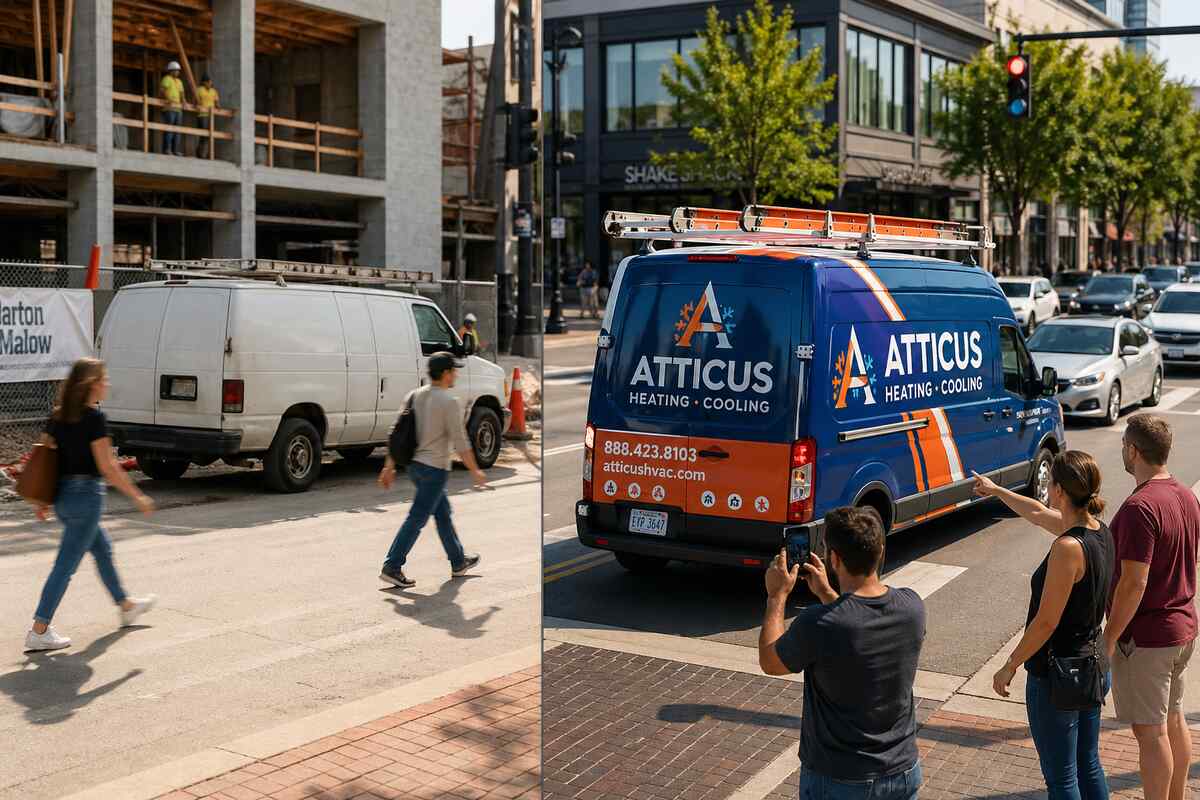
Now compare that to a vehicle that turns heads at a stoplight. Clear branding. Bold design. Easy-to-read message from a distance. People notice.
They remember. They associate your name with a service they might need. That’s the difference between a vehicle that costs you money and one that works for you. Most fleets fall into the first category. Not because the business is weak, but because the visibility strategy is.
And for fleet managers or business owners, that gap creates real consequences:
Missed local exposure
Inconsistent brand perception
Lost opportunities to competitors who look more established
You’re already doing the hard part. Your vehicles are out there. This guide will show you why most businesses go unnoticed, what that’s costing you over time, and how to turn your fleet into something people actually see, remember, and trust.
Why Most Business Vehicles Go Unnoticed
Most business vehicles aren’t invisible by accident. They’re invisible by design.
A plain vehicle with a small logo doesn’t register in someone’s mind. At a glance, it blends in with everything else on the road. At a distance, it’s unreadable. And at speed, it disappears completely.
That creates a simple problem. If people don’t notice your vehicle, they can’t remember your business.
What’s actually going wrong
1. Branding is too subtle
A door logo or small decal might look clean up close, but it doesn’t carry across lanes or intersections. Most people never get close enough to read it.
2. No visual hierarchy
There’s no clear message. No focal point. No reason for the eye to stop and process what they’re seeing.
3. Inconsistent fleet appearance
One vehicle has a logo. Another has partial graphics. Another has nothing at all. That inconsistency weakens trust and recognition.
4. Designed for aesthetics, not visibility
Many businesses choose “safe” designs that look good parked, but fail in real-world conditions where attention is limited and movement is constant.
What this looks like in the real world
A fleet manager sends out 8 service vehicles across a city. They drive through neighborhoods, job sites, traffic, and commercial areas all day. Hundreds, sometimes thousands, of people see those vehicles. But nothing sticks.
No one remembers the name. No one connects the brand to a service. No one acts on it later. That’s not a traffic problem. That’s a visibility problem.
Why this matters more than most realize
For fleet managers and business owners, this isn’t just about “looking better.”
It directly impacts:
How often is your business recognized locally
How professional your operation appears
Whether people remember you when they need your service
You’re already investing in vehicles as part of your operations. When those vehicles go unnoticed, you’re missing one of the most consistent and scalable ways to build local awareness.
The Hidden Cost of Low Visibility
At first glance, an unbranded or lightly branded vehicle doesn’t seem like a problem. It still gets the job done.
It still shows up on time. It still represents your business… technically. But over time, the cost of low visibility compounds. Not in one big loss. In hundreds of small missed moments.
Every mile is a missed opportunity
Your vehicles are already moving through:
Neighborhoods
Intersections
Job sites
Commercial areas
That’s consistent exposure in the exact locations where your customers live and work. But if your branding isn’t visible, that exposure turns into wasted motion.
People see the vehicle…
but they don’t register the business.
That means:
No name recognition
No mental association
No future recall
The cost you don’t track
You can measure fuel. You can measure maintenance. You can measure labor.
But most businesses never measure this:
How many potential customers saw your vehicle and forgot it immediately? Now stretch that across time.
A single vehicle might generate hundreds of visual impressions per day. Multiply that by:
Number of vehicles
Days on the road
Weeks and months of operation
That’s thousands of chances to be remembered… gone.
What this leads to over time
Low visibility doesn’t just stay neutral. It creates a gap.
That gap shows up as:
Lower brand recognition
Competitors with strong visuals get remembered first.
Fewer inbound leads
People don’t search or call businesses they don’t recall.
Weaker perceived professionalism
A plain or inconsistent fleet can signal “small” or “unestablished,” even if the business is strong.
A simple comparison
Two companies operate in the same area. Both have 5 vehicles. Both provide similar services. Both drive the same routes every day. One has no clear branding.
The other has bold, consistent, easy-to-read vehicle graphics. After a few months, one company is familiar with the local market. The other is still unknown. Same effort. Same roads. Different outcome.
Why this matters for your role
If you manage a fleet or run a service-based business, your vehicles are part of your reputation. Not just operational tools.
When they go unnoticed, you’re not just losing visibility. You’re losing the chance to build trust before a customer ever visits your website or makes a call.
What Are Vehicle Wraps for Business?
Before you decide if something is worth it, you need a clear definition of what it actually is. A lot of businesses hear the term and picture flashy designs or personal car customization. That’s not the full picture.
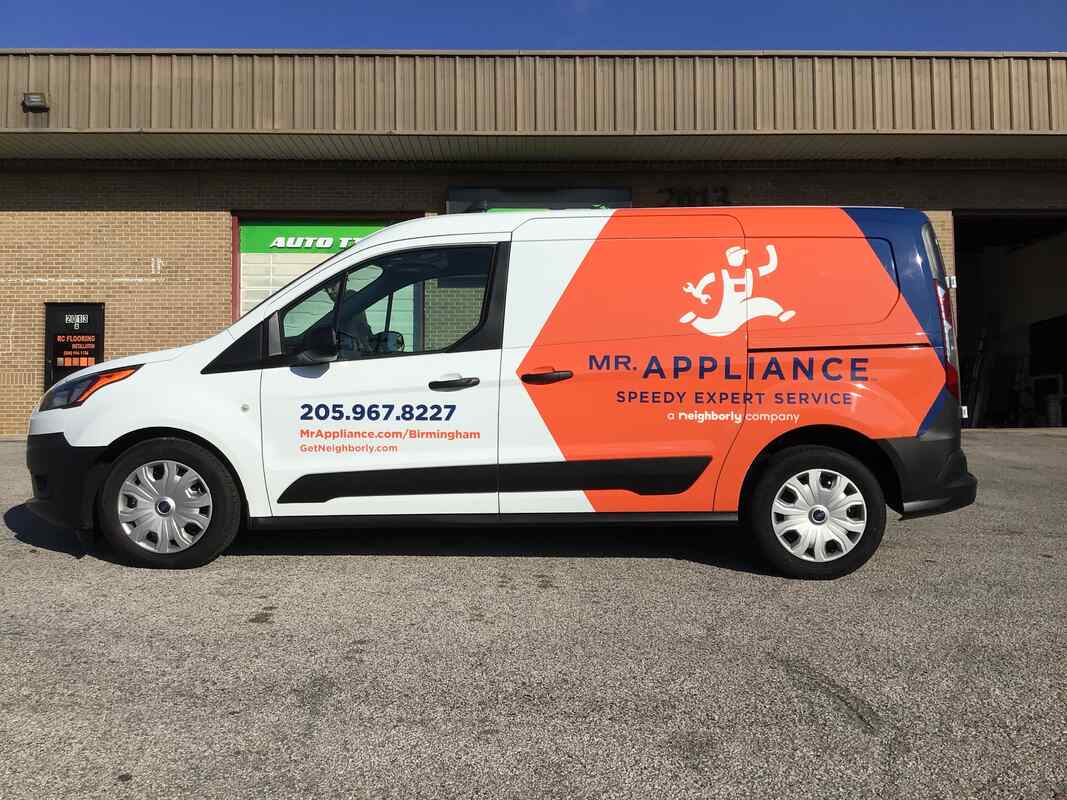
Vehicle wraps for business are custom-designed vinyl graphics applied to a vehicle’s exterior to promote a company’s brand, services, and contact information while also protecting the original paint.
That’s the simple version. But what matters is how they function in a real business context.
What a vehicle wrap actually includes
A professional wrap is not just a sticker or a logo placed on a door.
It typically involves:
Full or partial coverage of the vehicle surface
Custom graphics designed for readability at distance and speed
Strategic placement of branding, messaging, and contact details
Durable vinyl materials built to withstand weather, sun exposure, and daily use
The goal is not decoration. The goal is visibility and recognition.
Types of vehicle wraps businesses use
Not every business needs full coverage. The approach depends on budget, goals, and how the vehicles are used.
Full wraps
Cover the entire vehicle. Maximum visibility and impact.
Partial wraps
Cover key areas while using the vehicle’s base color as part of the design.
Spot graphics / decals
Smaller branding elements. Lower cost, but significantly lower visibility. This is where many businesses go wrong.
They choose minimal graphics to save money upfront, but lose most of the visibility benefit in the process.
What makes them different from traditional signage
A sign sits in one place and waits. A wrapped vehicle moves.
It shows up:
In different neighborhoods
At different times of day
In front of different audiences
That movement changes how often your brand is seen and remembered. Instead of relying on people to pass by your location, your brand goes to them.
Why this matters for your fleet
If you’re managing multiple vehicles, this isn’t just a design decision.
It’s a system.
Every vehicle becomes:
A consistent brand touchpoint
A moving reference for your business
A repeated visual signal in your service area
Done right, it creates familiarity without ongoing effort. Done poorly, it turns into background noise.
How Vehicle Wraps Turn Vehicles Into Marketing Assets
Most businesses treat their vehicles as a cost center. They’re necessary. They get the job done. They support operations.
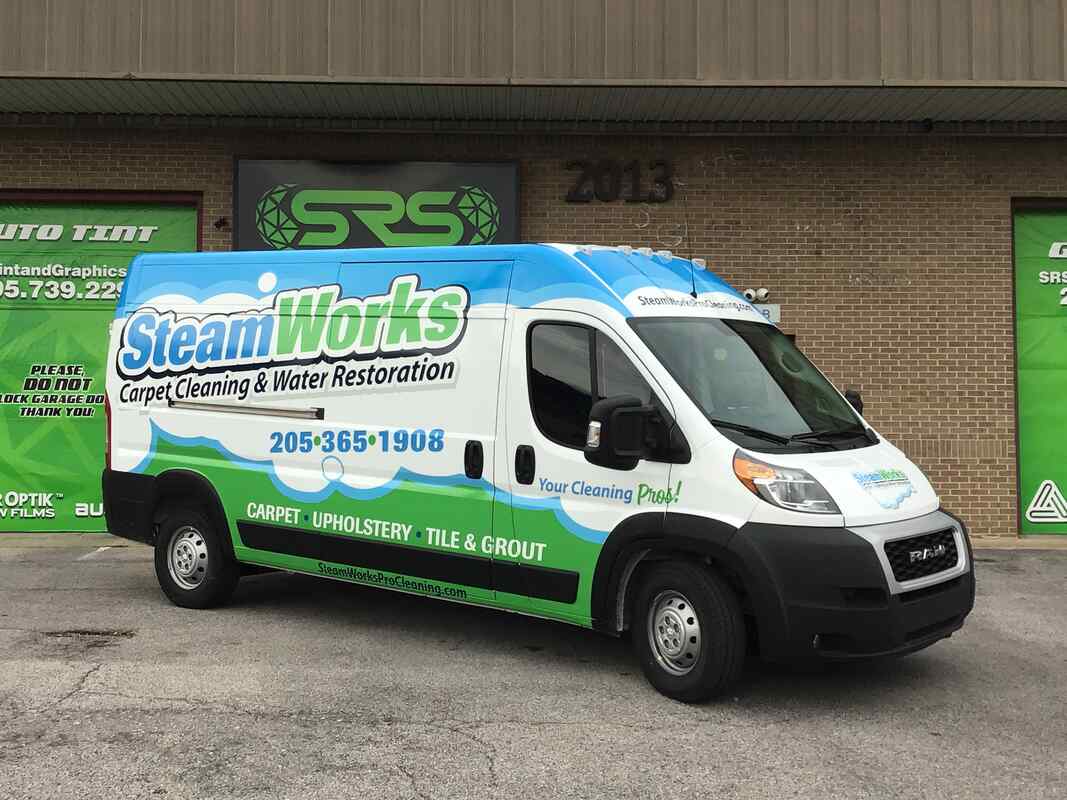
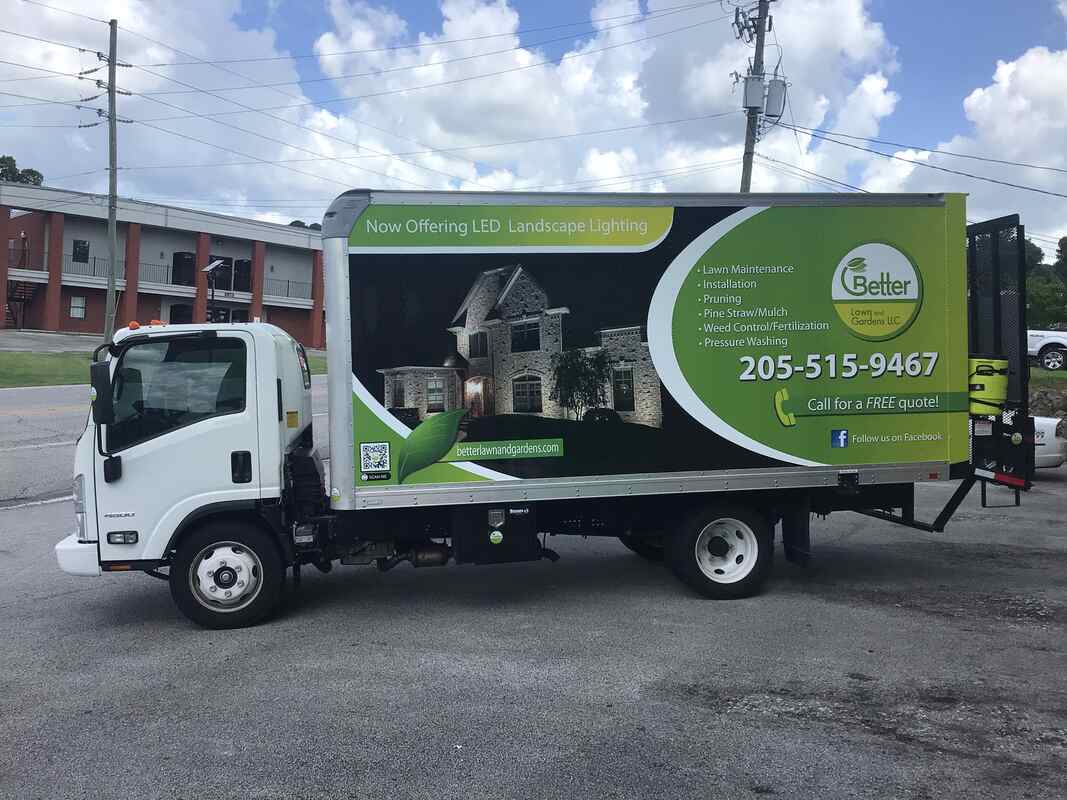
But when you apply the right strategy, those same vehicles shift roles. They stop being just transportation and start functioning as consistent, moving marketing assets, effectively turning your fleet into moving billboards that promote your business everywhere they go.
The shift from passive to active visibility
An unwrapped vehicle is passive. It exists in traffic, but it doesn’t communicate anything clearly. People see it, but nothing registers. A properly wrapped vehicle is active.
It sends a clear signal:
Who you are
What you do
How to find you
And it does that in seconds. That’s critical, because most people only glance at a vehicle for a moment. If your message isn’t clear immediately, it’s lost.
Visibility that repeats without effort
Traditional advertising depends on repetition. You pay for impressions. You pay for clicks. You pay to stay visible. With vehicle wraps, repetition happens naturally.
Your vehicles move through the same service areas daily:
Neighborhood routes
Commercial zones
Traffic corridors
People start to recognize your brand simply because they keep seeing it. No extra spend. No extra effort. Just consistent presence.
Local reach that matches your actual service area
Most marketing struggles with targeting.
You either:
Pay to reach a broad audience, or
Spend time narrowing down your targeting
Your vehicles already solve that. They operate exactly where your customers are.
That means your brand shows up:
In the same areas you serve
In front of people who are most likely to need your services
At the right time, when they’re seeing your team in action
That alignment is difficult to replicate with other channels.
Turning everyday movement into brand familiarity
Familiarity drives trust. When people repeatedly see a brand in their environment, it starts to feel established. Reliable. Known. Even if they haven’t interacted with your business yet. Vehicle wraps create that effect over time.
A homeowner might see your truck:
Once in their neighborhood
Again at a nearby job site
Later in traffic
By the third or fourth time, your name feels familiar. When they need your service, you’re no longer a stranger.
Why this matters for fleet-driven businesses
If your business relies on vehicles daily, you already have built-in exposure. The question is whether that exposure is working for you.
With the right approach, each vehicle becomes:
A consistent brand signal
A trust-building touchpoint
A low-maintenance visibility engine
Without it, that same exposure disappears into the background.
Are Vehicle Wraps Effective Advertising?
This is where most businesses hesitate. It sounds good in theory. But does it actually work?
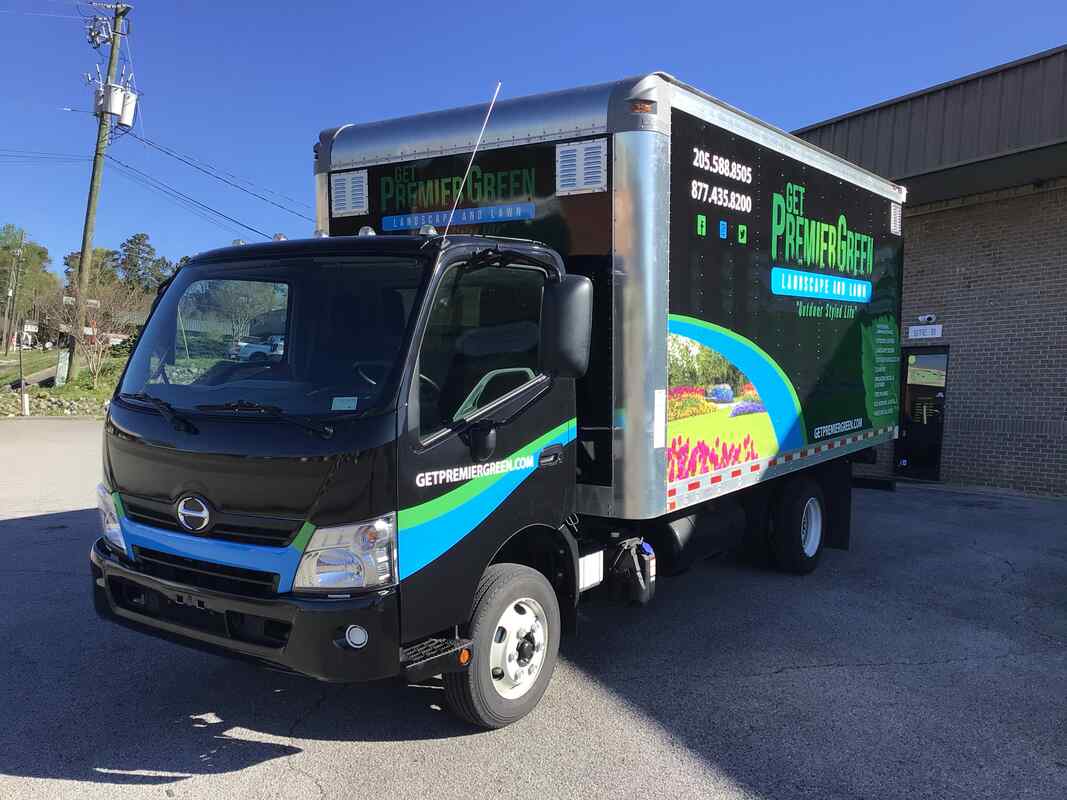
Yes. Vehicle wraps are one of the most cost-efficient forms of local advertising because they generate repeated exposure without ongoing spend, which is why many businesses rely on the benefits of using vehicle wraps for advertising to increase visibility and brand awareness.
That’s the short answer. The real value shows up when you look at how people actually notice and remember businesses.
Why repetition matters more than reach
Most advertising focuses on reach. How many people saw your ad once?
Vehicle wraps work differently. They focus on repetition in a local area.
The same people see your vehicles:
On their commute
In their neighborhood
Near job sites
That repeated exposure builds familiarity. And familiarity is what drives action later.
You stop paying for every impression
With digital ads, you pay every time someone sees or clicks. With billboards, you pay for placement over time. With vehicle wraps, the structure changes.
You make an upfront investment. Then your vehicles continue generating impressions daily, without additional cost. That changes the long-term economics.
Real-world attention vs scroll behavior
Think about how people interact with ads today.
Online:
They scroll past
They ignore banners
They skip videos
On the road:
They sit at red lights
They follow vehicles in traffic
They glance at what’s around them
A well-designed wrap meets people in a moment where their attention is naturally available. No competing tabs. No ad blockers. No skip button.
Local trust builds faster than you expect
People don’t usually act the first time they see your brand. They act after they’ve seen it multiple times. Vehicle wraps accelerate that process.
When someone sees your branded vehicle repeatedly in their area, it creates a simple mental shortcut:
“I’ve seen them around. They must be established.”
That perception matters. Especially in service-based industries where trust drives decisions.
Where businesses get it wrong
This is important. Vehicle wraps are effective… when executed properly.
They fail when:
The design is hard to read
The message isn’t clear
The installation looks cheap or starts failing
In those cases, the vehicle still gets seen. But the impression it creates works against you.
The real takeaway
Vehicle wraps aren’t just “another marketing option.” They change how your existing operations contribute to growth.
Instead of paying continuously for attention, you build visibility into something you’re already doing every day. Driving.
Why Fleet Branding Matters More Than You Think
Most businesses think of branding as a logo, a website, or maybe a set of colors. Fleet managers see something different. They see vehicles that represent the company every day, in real-world conditions, in front of real customers. That’s where branding either becomes an asset… or a liability.
Your fleet shapes how people judge your business
Before someone visits your website or reads a review, they often see your vehicle first. That moment creates an immediate impression.
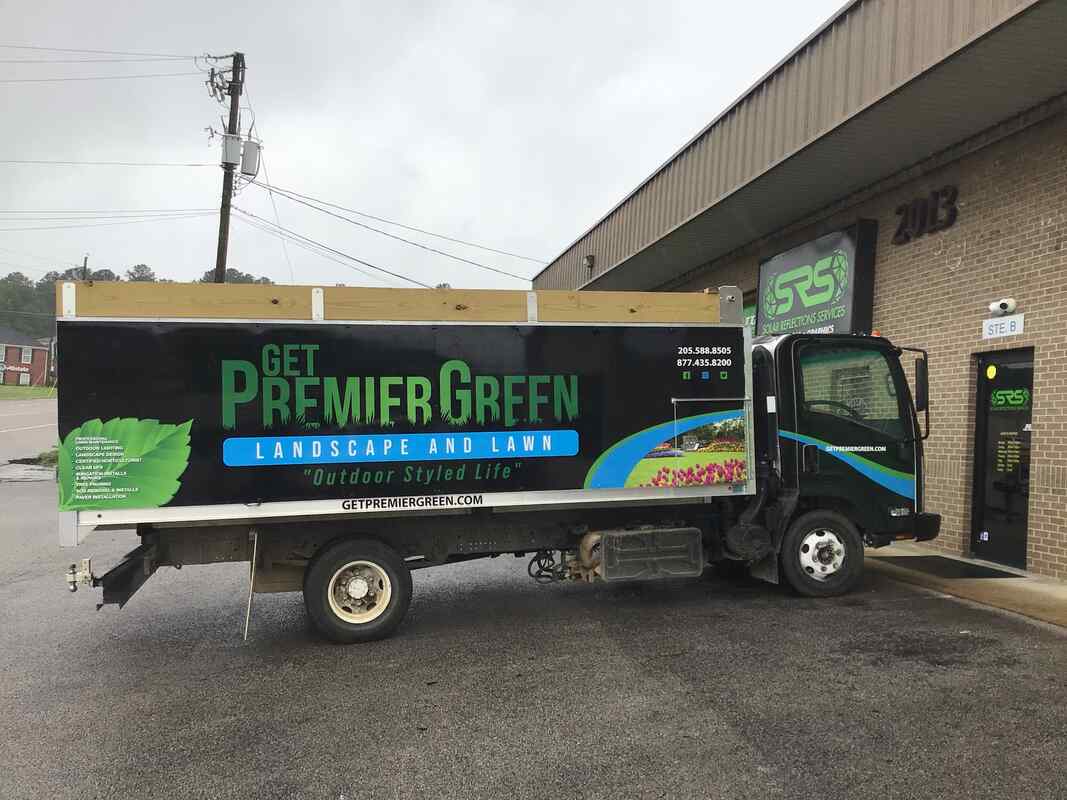
A clean, well-branded vehicle signals organization, attention to detail, and professionalism, which is one reason vehicle wraps increase brand recognition and credibility for businesses that depend on local visibility.
An unbranded or inconsistent vehicle suggests the opposite. Even if the work you deliver is high quality. People don’t separate the two. They assume the way you present your business reflects how you run it.
Inconsistency weakens trust faster than you expect
One of the biggest issues with fleets isn’t just lack of branding. It’s an inconsistency. One vehicle has partial graphics. Another has an outdated logo. Another has nothing at all. That creates confusion.
Customers don’t connect those vehicles to the same company. They don’t build recognition. They don’t develop trust over time. Consistency fixes that. When every vehicle carries the same visual identity, your brand becomes easier to recognize and remember.
Your vehicles are often your first impression
Think about how customers encounter service businesses. They don’t always start with a Google search.
They notice:
A truck parked in a neighbor’s driveway
A van at a job site
A vehicle driving through their area
That’s often the first exposure. If that moment is clear and professional, it builds confidence before any direct interaction happens. If it’s forgettable, the opportunity disappears.
Strong fleet branding supports your internal goals too
This isn’t just about customers. It impacts your team and operations.
A well-branded fleet:
Gives employees a sense of pride
Reinforces professionalism on the job
Creates a consistent standard across the business
That aligns directly with what fleet managers and business owners want: A fleet that looks as strong as it performs
The difference shows up over time
Branding doesn’t create results overnight. It builds gradually. Day by day, your vehicles either strengthen your presence in the market. Or stay invisible while competitors gain recognition.
That’s why fleet branding matters more than it seems at first. It’s not a one-time decision. It’s a long-term visibility strategy built into your daily operations.
Common Concerns About Vehicle Wraps (And the Reality)
Even when businesses see the value, they hesitate. Not because the idea is unclear. Because the risks feel unclear. Fleet managers and business owners are thinking in terms of long-term impact.
If something goes wrong, it affects multiple vehicles, not just one. So the concerns are valid. Let’s address the ones that come up most often.
“Will a vehicle wrap damage the paint?”
This is one of the biggest fears. The reality is the opposite when it’s done correctly.
High-quality vinyl wraps are designed to protect the original paint, not harm it. They act as a barrier against:
UV exposure
Minor scratches
Weather-related wear
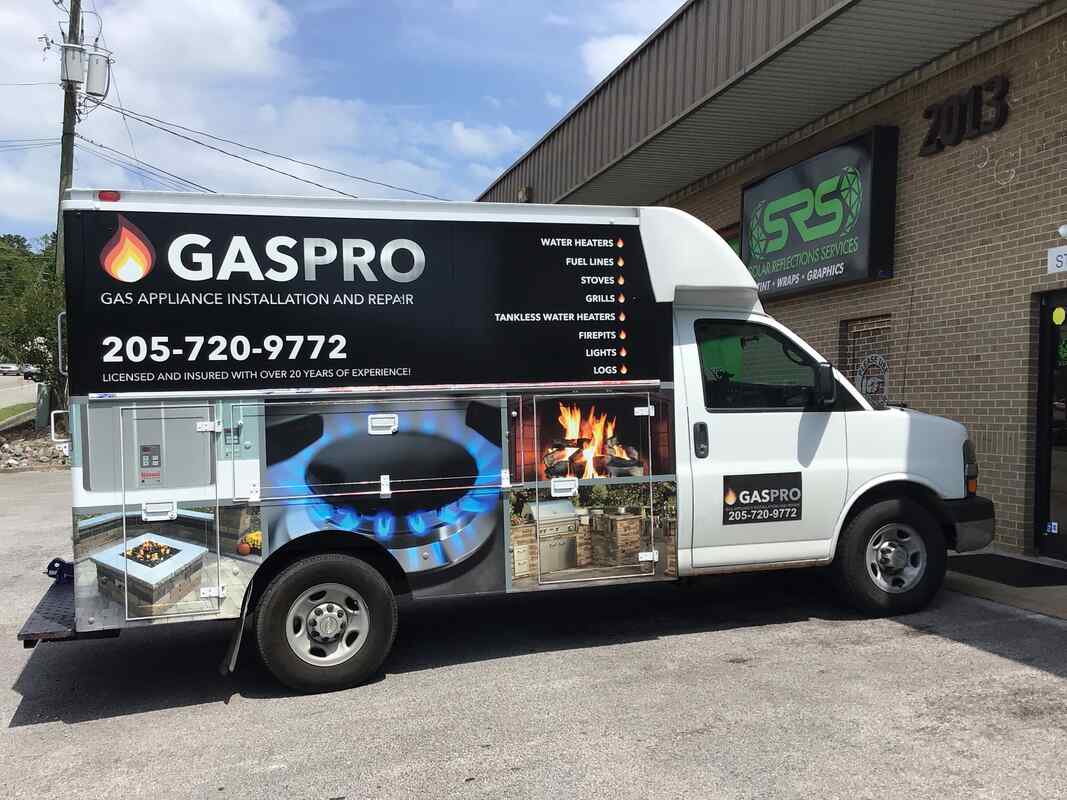
When professionally installed and removed, the paint underneath is typically preserved in better condition than an unwrapped vehicle.
The problems people hear about usually come from:
Low-quality materials
Poor installation
Improper removal
“How long do vehicle wraps actually last?”
Durability depends on two factors: material quality and installation. A professionally installed wrap using premium materials can last several years under normal conditions.
It holds up against:
Sun exposure
Rain and weather
Daily driving wear
Lower-quality wraps, on the other hand, may fade, crack, or peel much sooner. That’s where many businesses get burned. They optimize for price instead of lifespan, and end up paying twice.
“What if it looks unprofessional?”
This concern is valid, and it comes down to execution.
A poorly designed wrap:
Looks cluttered
Is hard to read
Can damage your brand perception
A well-designed wrap:
Is clear at a glance
Uses strong visual hierarchy
Reinforces professionalism
The difference isn’t the concept. It’s the design strategy behind it.
“Will installation disrupt our operations?”
For fleet-based businesses, downtime matters. Vehicles need to stay on the road. The key here is planning and process.
Professional providers structure installations to:
Minimize downtime
Work in phases if needed
Keep your operations moving
This is especially important for larger fleets, where taking everything offline at once isn’t realistic.
“Is it worth the investment?”
This question sits underneath all the others. Businesses want to know if the return justifies the cost. The answer depends on how the wrap is executed and how often the vehicles are on the road.
If your vehicles:
Drive daily
Operate in populated areas
Represent your brand regularly
Then the exposure compounds over time. The real mistake isn’t investing in wraps. It’s investing in something that looks cheap, fades quickly, or fails to create visibility.
What experienced buyers pay attention to
After the initial concerns, most experienced fleet managers focus on three things:
Material quality – Will it last?
Installation quality – Will it hold up over time?
Design clarity – Will it actually be seen and understood?
Those factors determine whether the wrap becomes an asset… or a regret.
What Makes a Vehicle Wrap Actually Work
Not all vehicle wraps deliver results. Some get noticed, remembered, and drive real visibility. Others fade into the background or worse, make the business look unprofessional. The difference isn’t whether a vehicle is wrapped. It’s how it’s done.
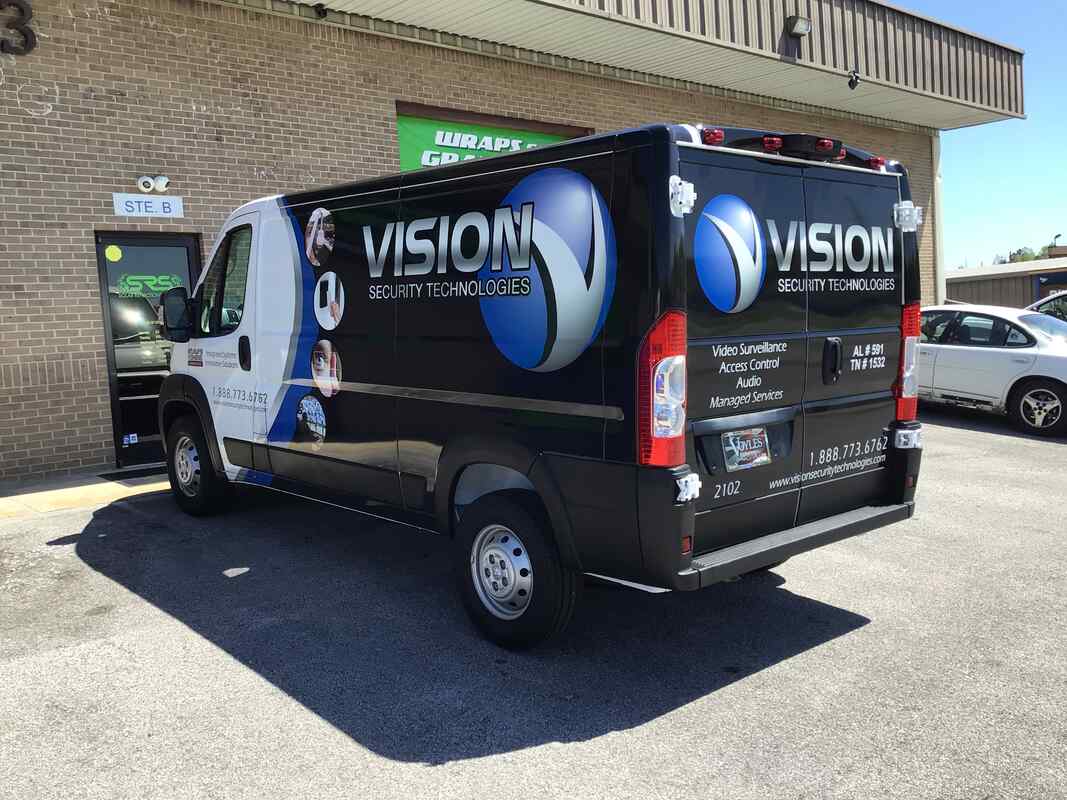
1. Design clarity comes first
A vehicle wrap is not a brochure. People don’t stand still and read it. They glance at it for a few seconds, often while moving. That changes how it needs to be designed.
A wrap that works well:
Uses bold, readable text
Keeps messaging simple and focused
Prioritizes the business name and core service
A wrap that fails:
Tries to say too much
Uses small or complex text
Lacks a clear focal point
If someone can’t understand what you do within a few seconds, the opportunity is gone.
2. Visibility beats decoration
Many businesses approach wraps like a design project.
They focus on:
Colors
Graphics
Visual style
Those matter, but they’re not the priority. The real goal is visibility.
That means:
High contrast between text and background
Clear spacing between elements
A layout that works from different angles and distances
A wrap can look impressive up close and still fail on the road. The road is what matters.
3. Material quality determines lifespan
This is where long-term value is won or lost.
High-quality materials:
Resist fading from UV exposure
Maintain color and clarity over time
Withstand weather and daily use
Lower-quality materials:
Fade quickly
Peel at the edges
Crack under stress
What looks like a cost saving upfront often turns into a replacement cost much sooner than expected. That’s why experienced buyers prioritize durability.
4. Installation quality makes or breaks the result
Even the best design and materials can fail with poor installation.
Common issues from low-quality installs:
Air bubbles
Misalignment
Lifting edges
Premature peeling
A professional installation ensures:
Clean application
Proper adhesion
Long-term performance
This is where expertise matters. Businesses that take a “no-excuses” approach to installation set a different standard for results and reliability
5. Consistency across the fleet
One great-looking vehicle isn’t enough. If you’re running multiple vehicles, consistency is what builds recognition.
That means:
Same design system
Same colors and layout
Same messaging structure
When every vehicle reinforces the same visual identity, your brand becomes easier to recognize and remember over time.
The bottom line
A vehicle wrap only works when all the pieces align:
Clear design
Strong visibility
Durable materials
Expert installation
Consistent execution
Miss one of these, and the results drop fast. Get them right, and your vehicles stop blending in and start standing out in a way that actually drives awareness.
The Long-Term Value of Vehicle Wraps
Most marketing decisions are judged in the short term.
“How many leads did this generate this month?”
“What’s the immediate return?”
That mindset works for ads. It doesn’t capture the real value of vehicle wraps. Because vehicle wraps don’t just create visibility once. They build it over time.
Visibility compounds, even when you’re not thinking about it
The first week after a wrap is installed, people notice it. The second week, they recognize it. By the third or fourth time they see it, something shifts: Your brand starts to feel familiar.
That familiarity is powerful. It means when someone finally needs your service, they don’t start from zero. They already “know” your name. That’s how consistent exposure turns into future demand.
You reduce dependence on paid advertising
Most businesses rely heavily on paid channels:
Google Ads
Social media ads
Lead platforms
Those channels stop working the moment you stop paying. Vehicle wraps operate differently. Once installed, they continue generating visibility without ongoing cost.
Over time, that creates a shift:
Less pressure to constantly fund new campaigns
More organic recognition in your service area
A stronger baseline of inbound awareness
You’re not replacing other marketing. You’re reducing how dependent you are on it.
Your operational costs start doing double duty
You’re already investing in your fleet.
Those costs aren’t optional:
Vehicles
Fuel
Maintenance
Vehicle wraps change how those costs function. Instead of being purely operational, they begin supporting your marketing. Every route, every job site, every mile driven contributes to visibility. That alignment is rare. Most businesses keep operations and marketing separate. This connects them.
Brand familiarity builds trust before the first interaction
By the time a customer visits your website or calls your business, they’ve often already formed an opinion. That opinion comes from repeated exposure.
If they’ve seen your vehicles around:
Your brand feels established
Your business feels active
Your presence feels local and real
That reduces hesitation. It shortens the time between “I need this service” and “I’ll contact them.”
The gap widens over time
This is where the long-term impact becomes clear. Two businesses operate in the same market for a year. One invests in consistent, visible fleet branding.
The other doesn’t. At first, the difference is small. After months of daily exposure, it grows. One becomes familiar with the market. The other remains unknown outside of direct searches. Same service. Same effort. Different levels of recognition.
What this really comes down to
Vehicle wraps are not just about making vehicles look better. They change how your business shows up in the real world. They turn everyday movement into repeated exposure. They build familiarity without ongoing effort. They support growth without relying entirely on paid channels. And they do it in the exact areas where your customers already are.
Are You Leaving Visibility on the Table?
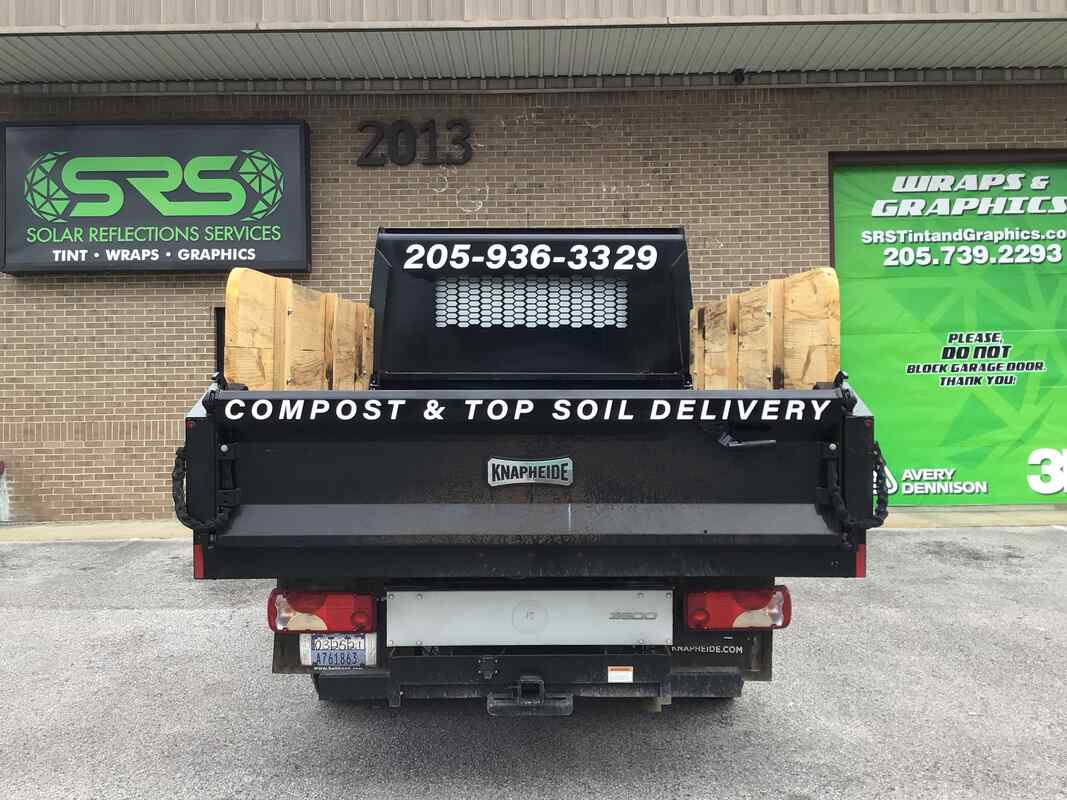
At Solar Reflections Services, we see this every day. Businesses invest heavily in their vehicles, keep them running, keep them clean, and send them out across the same roads their customers travel. But without the right visibility, those vehicles blend in, and the opportunity disappears. The difference is not effort. It is how that effort shows up.
When your fleet is designed to be seen, remembered, and understood at a glance, it starts working for you long after the job is done. That is the real role of vehicle wraps for business. They turn something you already pay for into something that builds recognition, trust, and long-term growth in your service area.
If you are already on the road every day, the question is simple. Are your vehicles just getting from point A to point B, or are they helping your business get noticed? If you want to see what that shift looks like in practice, visit Solar Reflections Services at 2013 Old Montgomery Hwy B, Birmingham, AL 35244, and take a closer look at how your fleet can start doing more for your business.