
Indoor vs. Outdoor Graphics: What Works Best Where?
Why the Right Graphic Placement Can Make or Break Your Business Visibility?
Walk down any busy commercial street and you will notice something immediately. Some businesses pull you in before you even reach the door. Others disappear into the background.
That difference often comes down to how graphics are used. Outdoor graphics grab attention from the street. Indoor graphics shape what customers experience once they walk inside. When these two work together, your brand feels clear, professional, and memorable. The problem is that many businesses install the wrong type of graphic in the wrong environment.
Indoor materials fade quickly in sunlight. Outdoor graphics can feel heavy or out of place inside. The result is graphics that wear out early or fail to make the impact you expected. If you want graphics that last and actually attract customers, you need to understand where each type performs best and why.
In this guide, you will learn how indoor and outdoor graphics differ, where each works best, and how to choose the right option for your space.
What Are Indoor Graphics and When Should You Use Them?
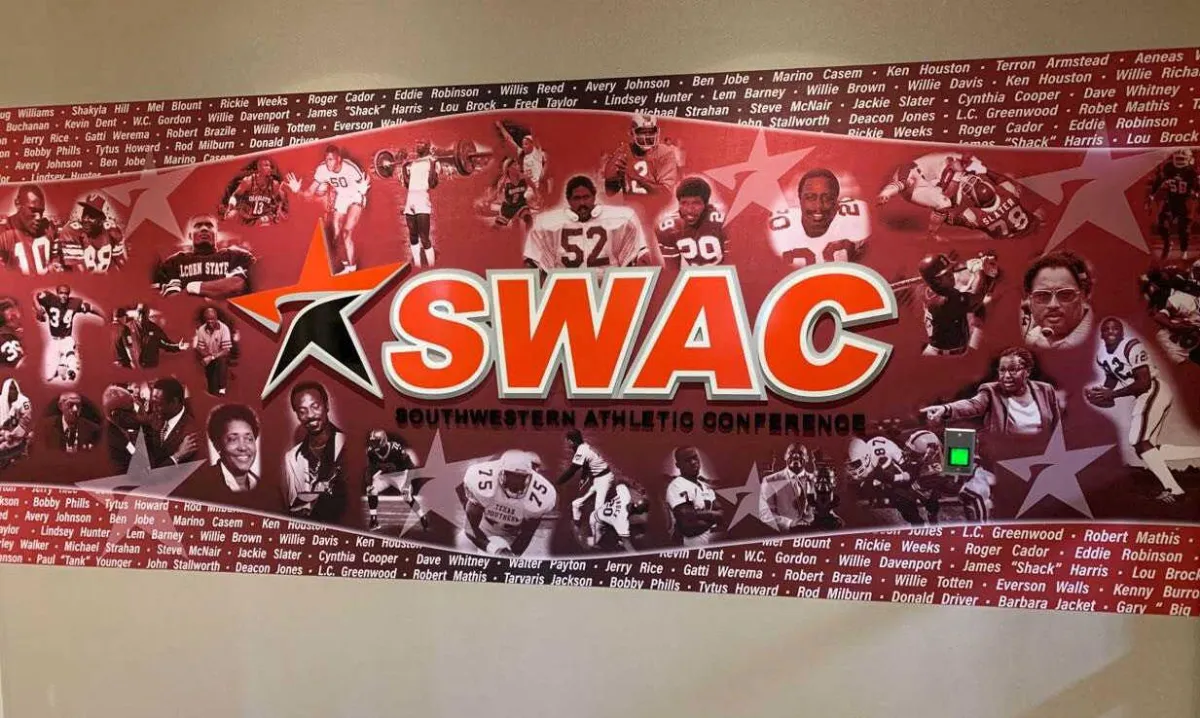
Indoor graphics are visual displays installed inside your business space to guide customers, strengthen your brand, and improve the overall experience once someone walks through the door. You typically see indoor graphics on walls, floors, windows, and lobby areas. They are designed for controlled environments where sunlight, rain, and temperature changes are not major factors. Because of this, indoor graphics focus more on design quality and customer experience than heavy durability.

Common examples include:
wall murals that communicate your brand story
lobby logos that reinforce professionalism
promotional wall graphics highlighting products or offers
floor graphics guiding foot traffic
interior window graphics for privacy or branding
When customers enter your space, indoor graphics help answer three silent questions they immediately have:
Where should I go?
What does this business offer?
Is this brand professional and trustworthy?
Well-placed indoor graphics solve all three.
For example, a retail store might use large wall graphics to showcase product categories. A restaurant might use wall murals to create atmosphere. An office might install lobby graphics that reinforce credibility the moment a client arrives.
The key advantage is control. Since indoor graphics are protected from harsh weather and UV exposure, you can use lighter materials, detailed designs, and more creative visual elements without worrying about environmental damage.
What Are Outdoor Graphics and Why Do They Matter for Visibility?
Outdoor graphics are visual displays installed on the exterior of your business to attract attention, communicate your brand, and bring customers through the door. They are designed to be seen from a distance and to survive constant exposure to the environment.
Unlike indoor graphics, outdoor graphics must withstand:
sunlight and UV exposure
rain and humidity
wind and dust
temperature changes
Because of this, outdoor graphics use stronger materials, protective coatings, and durable adhesives.
You commonly see outdoor graphics used as:
storefront window graphics
vehicle wraps and fleet graphics
outdoor banners and promotional signage
building signage and wall graphics
construction site branding
Their main job is simple but critical. They stop people. Before someone ever interacts with your brand, outdoor graphics create the first impression. If your storefront is clear, visible, and professionally branded, people instantly understand what your business offers.
For example:
A retail store may use large window graphics to promote seasonal sales.
A restaurant might install bold window graphics that showcase menu items.
A service company may wrap vehicles with branded graphics that advertise across the city.
In each case, outdoor graphics work as 24/7 advertising for your business. They do not just decorate your exterior. They actively help new customers discover you.
Indoor vs. Outdoor Graphics: The Differences Most Businesses Overlook
Indoor and outdoor graphics may look similar at first glance. The real differences appear once you consider the environment, materials, and viewing conditions. If you choose the wrong type, the graphic may fade, peel, or fail to attract attention. Understanding these differences helps you install graphics that last longer and perform better.
Below are the four factors that matter most.
1. Environmental Exposure
Indoor graphics live in controlled environments. They are protected from sunlight, rain, and extreme temperatures. Because of this, they do not require heavy protective coatings.
Outdoor graphics must handle constant exposure to weather. They are designed to resist UV rays, moisture, wind, and temperature changes.
If indoor materials are installed outside, they often fade or deteriorate quickly.
2. Material Strength
Indoor graphics usually use lighter materials such as removable vinyl or fabric graphics. These materials work well for smooth walls and temporary displays.
Outdoor graphics rely on heavy-duty vinyl, laminated prints, and UV-resistant inks. These materials help maintain color and durability over time.
The goal is simple. Outdoor graphics must survive the environment while still looking professional.
3. Adhesives and Installation Surfaces
Indoor graphics typically use removable or low-tack adhesives. This makes them easier to replace during promotions or redesigns.
Outdoor graphics require strong adhesives that can bond to glass, metal, concrete, or brick. These adhesives prevent lifting or peeling caused by wind and heat.
Installation techniques also change depending on the surface.
4. Viewing Distance and Design Style
Indoor graphics are usually viewed up close. This allows for detailed designs, smaller text, and intricate visuals.
Outdoor graphics must be readable from farther away. They depend on:
large typography
bold colors
simple layouts
If a design is too detailed, it becomes difficult to read from the street. When these four factors are considered together, the decision becomes clearer. Indoor graphics focus on experience and branding inside the space, while outdoor graphics focus on visibility and durability outside the building.
Where Indoor Graphics Work Best in Your Business Space
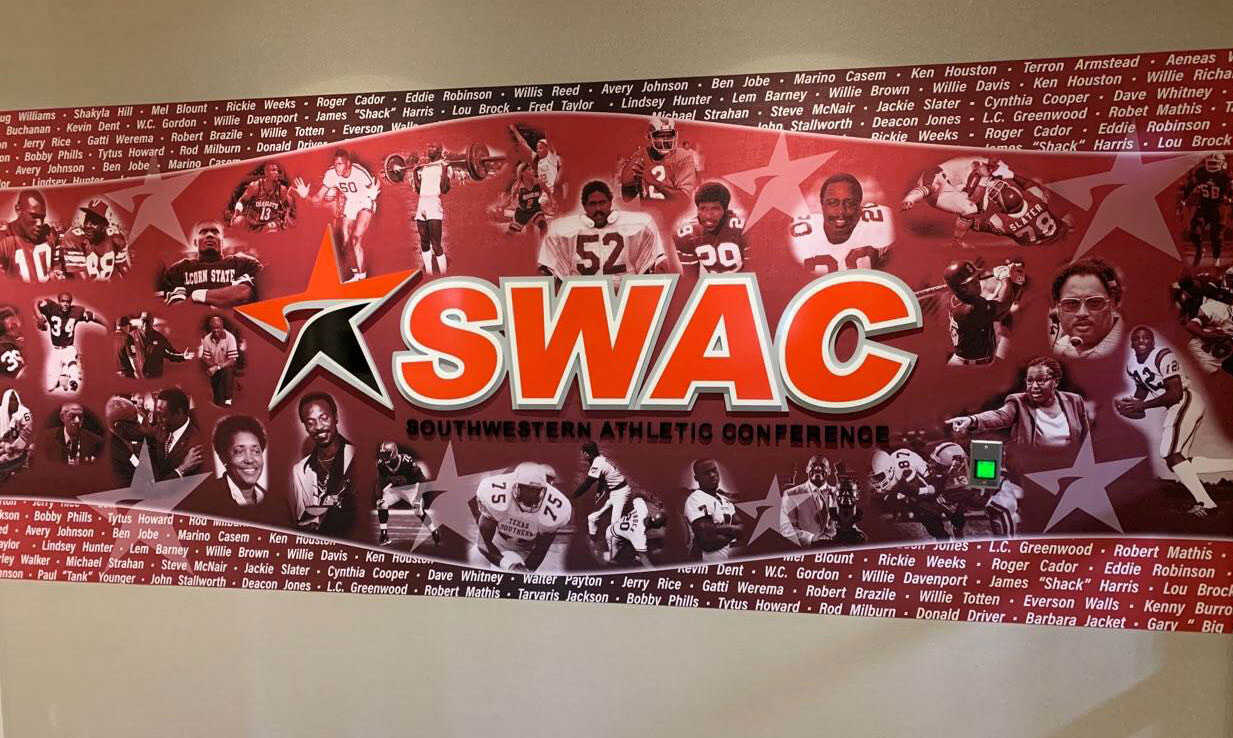
Indoor graphics work best in areas where customers spend time interacting with your brand. These spaces give you the opportunity to guide visitors, reinforce your identity, and create a stronger experience inside the environment.
Instead of simply decorating a space, indoor graphics help you communicate visually without saying a word.
Here are some of the most effective places to use them.
Retail Stores
Retail environments rely heavily on visual communication. Wall graphics can highlight product categories, seasonal promotions, or brand messages. When customers walk through the store, these visuals help them quickly understand where to go and what to explore.
For example, a clothing store might install wall graphics that identify sections such as men’s wear, accessories, or clearance items.
Office and Lobby Areas
The moment a client or partner walks into your office, they form an impression about your business. Lobby graphics such as branded logos, mission statements, or wall murals immediately communicate professionalism and credibility. A simple wall logo behind a reception desk can transform a plain space into a strong brand introduction.
Restaurants and Cafés
Restaurants often use interior graphics to create atmosphere. Wall murals, menu graphics, or branded visuals can reinforce the theme of the space while making the environment more memorable for guests. Customers are more likely to remember and share a visually interesting space, which can even increase word-of-mouth marketing.
Hallways and Wayfinding Areas
Large spaces such as medical offices, schools, or corporate buildings often use graphics to guide visitors. Directional graphics and floor decals help people move through the space without confusion. This improves the overall experience and reduces the need for constant staff assistance.
Trade Shows and Event Spaces
When businesses attend events or exhibitions, indoor graphics become essential. Portable displays, branded backdrops, and wall graphics help your booth stand out and attract attention in crowded environments.
In these cases, indoor graphics function as temporary but powerful branding tools. Indoor graphics perform best when they are used strategically throughout your space. Instead of a blank interior, they allow you to turn walls, floors, and windows into visual communication tools that strengthen your brand and guide your customers.
Where Outdoor Graphics Deliver the Most Impact for Your Business
Outdoor graphics work best where your business needs visibility before a customer even walks in. They act as constant advertising that introduces your brand, communicates what you offer, and helps people recognize your location from the street. For many businesses, outdoor graphics are the first interaction customers have with the brand.
Below are the locations where they create the strongest impact.
Storefront Windows
Your storefront windows are some of the most valuable marketing space you have. Large window graphics can promote products, display services, or communicate your brand message to people walking or driving by. Instead of leaving glass empty, window graphics turn your storefront into a high-visibility advertisement.
For example, a retail store might use bold window graphics to highlight seasonal promotions or new arrivals.
Vehicle Graphics and Fleet Wraps
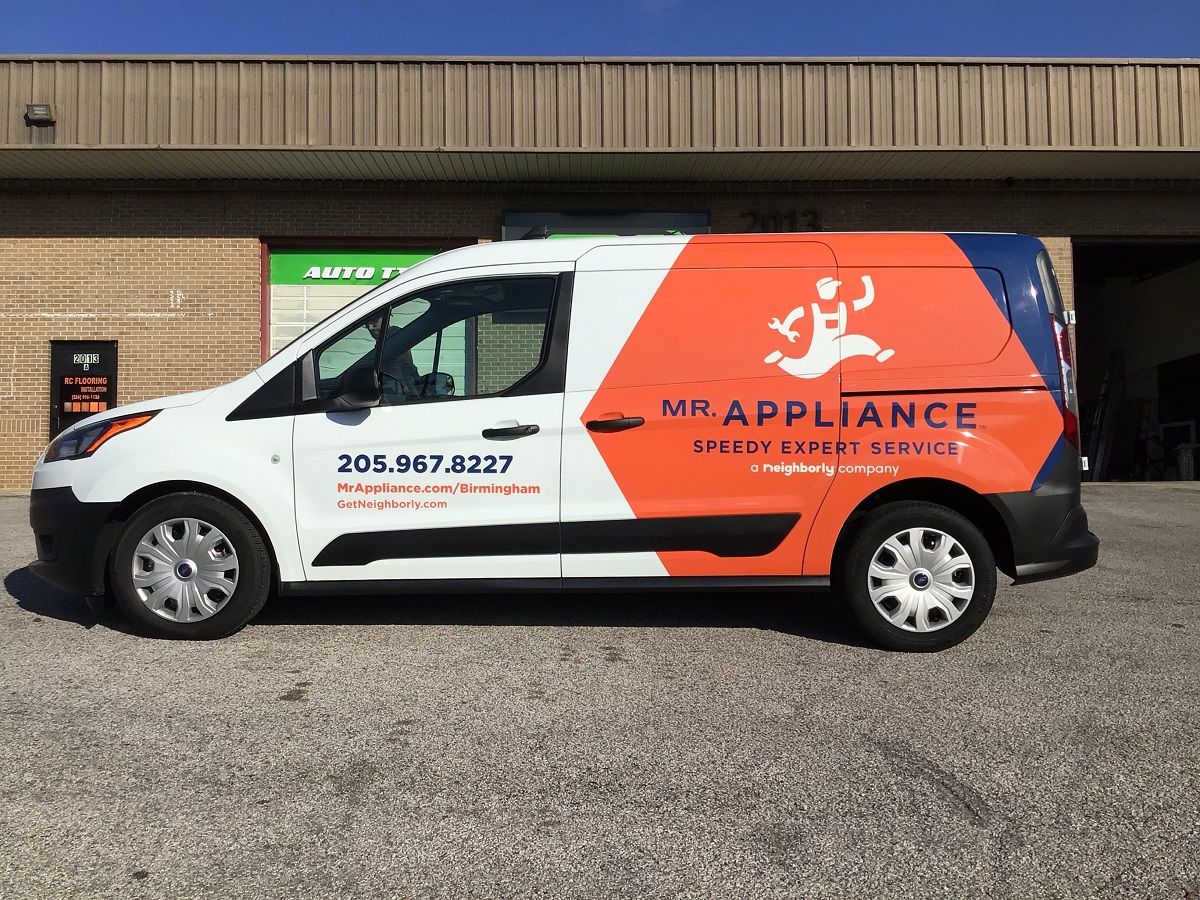
Company vehicles travel across neighborhoods, highways, and parking lots every day. When branded properly, they become mobile billboards that promote your business wherever they go. Vehicle wraps and graphics help build brand recognition and can generate thousands of impressions daily.
Service companies, delivery businesses, and contractors often rely on vehicle graphics to increase local visibility.
Building Exterior Graphics
Large wall graphics or exterior signage help customers quickly identify your location. If someone is searching for your business from the road or a parking lot, clear exterior graphics make it easier for them to recognize your brand and enter the building. Without strong exterior branding, even well-located businesses can be overlooked.
Outdoor Promotional Banners
Banners are commonly used for temporary promotions, events, or grand openings. Because they are large and easy to install, banners allow businesses to communicate important messages quickly. They are especially effective for announcing limited-time offers or drawing attention to special events.
Construction and Renovation Sites
Businesses that are building or renovating locations often use outdoor graphics to maintain brand presence during construction. Large printed panels or banners can cover fencing and scaffolding while promoting the upcoming business. This keeps the location visible and builds anticipation before opening. Outdoor graphics succeed when they are bold, durable, and easy to read from a distance. When installed in the right locations, they help your business capture attention, strengthen recognition, and bring more customers through your door.
How to Choose Between Indoor and Outdoor Graphics for Your Business
Choosing the right graphic starts with one simple question:
Where will people see it first?
If the graphic is meant to attract attention from the street, you need outdoor materials. If the graphic is meant to improve the experience inside your space, indoor materials will work better.
Use the framework below to make the right decision.
1. Start With the Environment
Ask yourself where the graphic will be installed.
Indoor locations
walls
interior windows
floors
reception areas
hallways
These spaces allow you to use removable vinyl, wall wraps, or fabric graphics because they are protected from weather and UV exposure.
Outdoor locations
storefront windows
exterior walls
vehicles
outdoor signage
banners
These areas require weather-resistant vinyl, UV protection, and stronger adhesives to prevent fading or peeling.

2. Consider the Viewing Distance
Next, think about how far away people will be when they see the graphic.
Close viewing (indoor)
detailed visuals work well
smaller text can be readable
designs can include more information
Distance viewing (outdoor)
larger text is necessary
bold colors improve visibility
simple layouts perform better
If people are driving past your business, the design must communicate the message in seconds.
3. Decide How Long the Graphic Should Last
Different graphics serve different time frames.
Short-term graphics
promotions
seasonal campaigns
temporary events
Removable indoor vinyl or banners are usually ideal.
Long-term graphics
storefront branding
vehicle wraps
exterior building graphics
These should use durable vinyl and protective laminates to maintain color and adhesion over time.
4. Think About the Customer Journey
The strongest businesses use both indoor and outdoor graphics together. Outdoor graphics help customers discover your business.
Indoor graphics help them experience your brand once they enter. When both are aligned, customers see a consistent visual identity from the moment they notice your storefront to the moment they walk inside.

Common Mistakes Businesses Make When Choosing Indoor or Outdoor Graphics
Many businesses invest in graphics expecting them to improve visibility and branding. The problem usually is not the idea of using graphics. The problem is choosing the wrong type, material, or design for the environment. When this happens, graphics fade faster, peel off surfaces, or fail to attract attention.
Here are the mistakes businesses make most often.
Using Indoor Graphics Outside
This is one of the most common and costly mistakes.
Indoor graphics are not built to handle:
direct sunlight
rain and moisture
wind exposure
temperature changes
When indoor materials are installed outdoors, the colors can fade quickly and the adhesive may begin to peel. What looked professional at installation can start looking worn within a short period.
Choosing the Wrong Material for the Surface
Not every graphic material works on every surface.
Different surfaces require different adhesives and installation methods.
Examples include:
glass storefront windows
painted drywall
brick or concrete walls
metal panels
vehicle surfaces
If the wrong material is used, graphics may bubble, lift, or fail to bond properly.
Designing Outdoor Graphics With Too Much Detail
Outdoor graphics are usually viewed from a distance. When designs include too much text, small fonts, or complicated visuals, people cannot read them quickly enough. This reduces their effectiveness as street-level advertising.
Effective outdoor graphics rely on:
large typography
bold color contrast
simple messaging
The goal is to communicate the message within seconds.
Ignoring Long-Term Durability
Some businesses focus only on the initial cost of graphics instead of their lifespan. Lower-quality materials may save money at first but often require replacement much sooner. Durable materials with proper UV protection and lamination typically deliver better value over time.
Avoiding these mistakes helps ensure your graphics remain professional, visible, and effective for years instead of months.
How Indoor and Outdoor Graphics Work Together to Strengthen Your Brand
Indoor and outdoor graphics perform best when they work as one visual system instead of separate elements. Outdoor graphics attract attention and help people recognize your business from the street. Indoor graphics then continue the experience once customers walk through the door. When both are aligned, your brand feels clear, professional, and intentional.
Think of it as two stages of the customer journey.
Stage 1: Outdoor Graphics Create Discovery
Before someone enters your business, they need to notice it.
Outdoor graphics help you achieve this by:
making your storefront easier to identify
communicating what your business offers
attracting attention from passing traffic
Window graphics, vehicle wraps, and exterior signage work together to create consistent visibility in your local area.
Stage 2: Indoor Graphics Reinforce the Experience
Once customers step inside, indoor graphics guide their experience.
They help you:
reinforce brand identity
highlight products or services
create a professional atmosphere
guide visitors through your space
Instead of blank walls and empty surfaces, indoor graphics turn your environment into a branded experience.
Ready to Upgrade Your Business Graphics? Start With the Right Strategy
If your storefront is hard to notice, your interior feels generic, or your current graphics are fading and outdated, you are not alone. Many business owners know they need better graphics. The challenge is choosing the right type, the right material, and the right placement so the investment actually improves visibility and branding. That is where professional guidance makes a difference.
When indoor and outdoor graphics are planned together, they create a clear visual path for customers:
outdoor graphics attract attention from the street
indoor graphics reinforce your brand once customers walk inside
consistent visuals build trust and professionalism
Instead of guessing which graphics will work for your location, you can get expert help designing graphics that fit your space, your brand, and your goals. If you are planning new storefront graphics, interior wall graphics, or branded vehicle graphics, the team at SRS Tint & Graphics can help you choose the right solution for your business.