
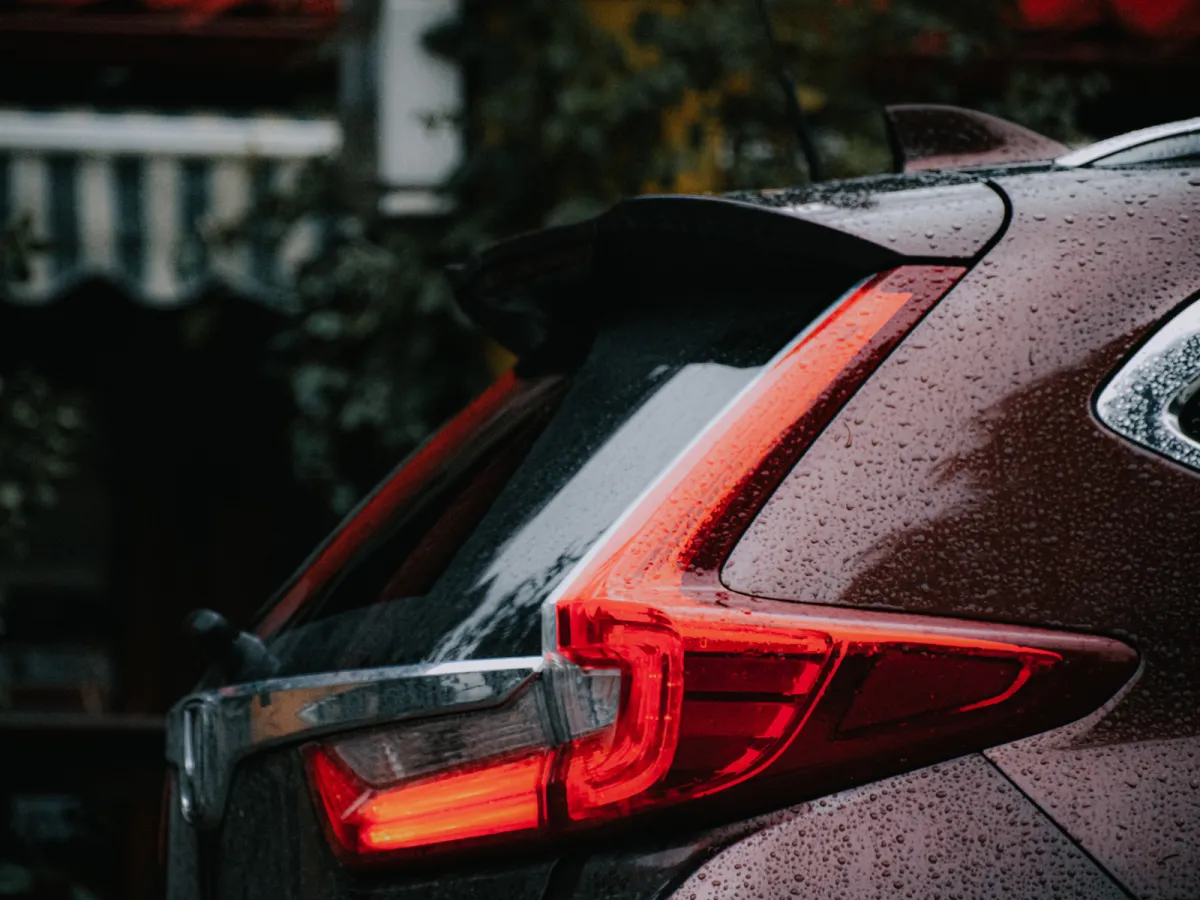
Does Tail Light Tinting Affect Resale Value? What Buyers Really Think
Why Resale Value Matters When Modifying Your Vehicle
Resale value matters because vehicle modifications can either preserve, reduce, or complicate a future sale depending on how buyers perceive them. Even cosmetic upgrades are evaluated based on legality, condition, and whether they create extra work for the next owner.
If you’re the kind of car owner who takes pride in how your vehicle looks and also thinks ahead, you've probably asked yourself this question before making a modification: “Will this hurt my resale value later?”
Tail light tinting sits right at that crossroads between style and practicality. On one hand, it gives your vehicle a cleaner, more aggressive look. On the other, resale value is influenced by how future buyers perceive safety, legality, and overall condition.
For many enthusiasts and professionals, resale value isn’t about flipping a car quickly, it's about protecting the investment you’ve already made. Whether you plan to sell, trade in, or simply want to keep your vehicle desirable long-term, understanding how modifications affect value is part of making smart decisions.
That’s why this question comes up so often:
Does tail light tinting actually affect resale value?

What Is Tail Light Tinting (and What Isn’t It)?
Tail light tinting is a cosmetic modification that darkens the appearance of rear lights using film or coatings, without changing the actual light hardware. Its impact depends heavily on the method used and whether the modification is reversible, legal, and visually clean.
Tail light tinting is typically done to achieve a sleeker, more aggressive, or more uniform look especially on modern or performance-focused vehicles. However, not all tinting methods are viewed the same when it comes to resale.
Common Types of Tail Light Tinting
The two most common approaches include:
Tint film (vinyl or PPF-style film)
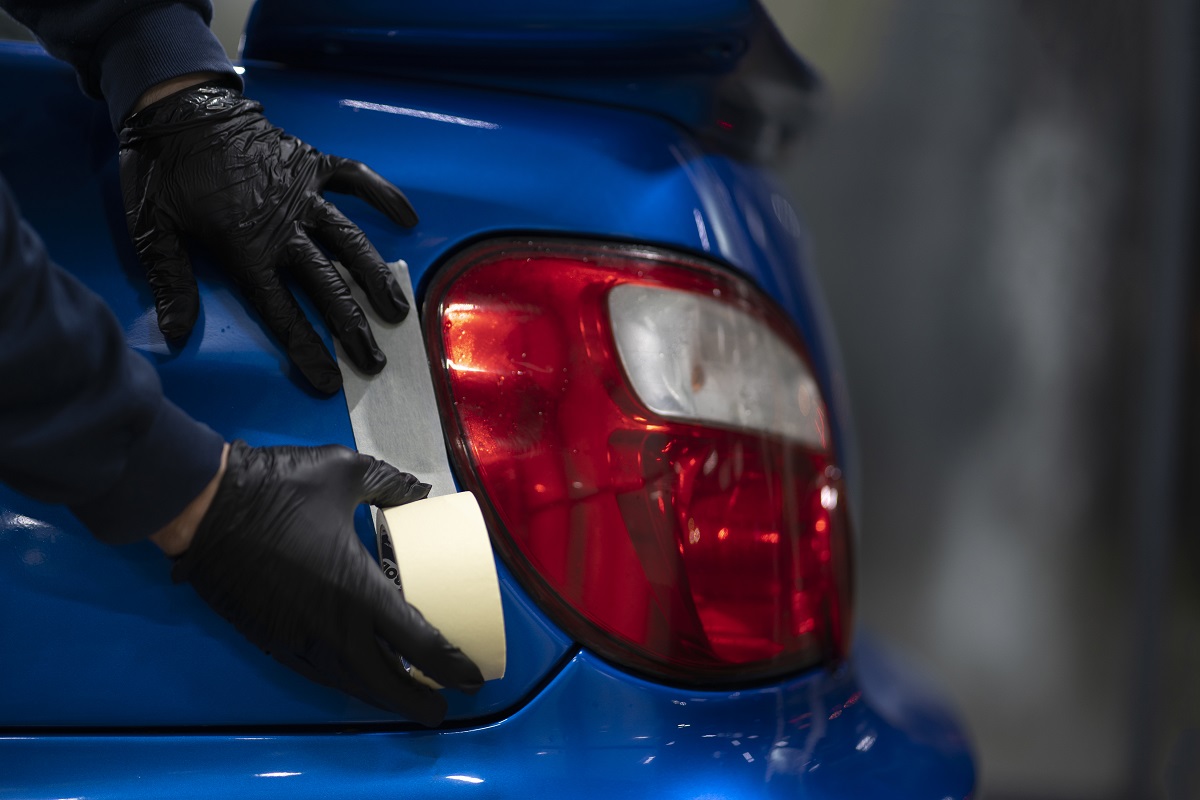
A removable film applied over the tail light lens. When installed professionally, it maintains light clarity and can be removed later without damage.Spray tint or paint-based tint
A permanent coating applied directly to the lens. This method is difficult to reverse and can permanently alter or damage the tail light if done poorly.
From a resale perspective, this distinction is critical.
What Tail Light Tinting Is Not
Proper tail light tinting is not meant to:
Reduce brake light visibility
Compromise night-time safety
Violate local lighting laws
Permanently damage factory components
When tinting causes any of these issues, it stops being a cosmetic upgrade and becomes a resale risk.
Why Buyers Notice the Difference
When buyers or dealerships evaluate your vehicle, they’re assessing risk, not personal taste. Tail light tinting signals different things depending on execution:
Was the vehicle modified carefully or cheaply?
Can the tint be removed easily?
Will this create inspection or legal issues?
Clean, removable tint raises fewer concerns. Permanent or poorly applied tint raises more.
Does Tail Light Tinting Affect Resale Value?
Tail light tinting does not automatically reduce resale value. In most cases, its impact depends on installation quality, legality, visibility, and whether the tint can be removed without damage.
Resale value is rarely determined by one modification alone. Buyers look at the full picture vehicle condition, maintenance history, legality, and how much effort they’ll need to invest after purchase.
When Tail Light Tinting Has Little to No Impact
Tail light tinting is usually neutral when:
The tint is professionally installed
Light output remains bright and visible
The darkness level is legal or compliant
The tint can be removed cleanly
In these situations, most buyers view the tint as a cosmetic preference not a problem.
When Tail Light Tinting Can Reduce Resale Value
Issues arise when tinting creates uncertainty or additional cost for the buyer, such as:
Tint that is too dark or reduces visibility
Tint that is illegal in the buyer’s region
Faded, bubbled, or uneven appearance
Spray-on or permanent tint
Removal requiring replacement tail lights
Buyers often factor these issues into lower offers.
How Buyers Think About Tinting
Buyers don’t evaluate tint emotionally, they evaluate it practically.
They ask:
Is this safe?
Is this legal?
Will I need to undo this?
If the answer feels like yes, resale value can drop. If not, the tint is usually a non-issue.
What Legal and Safety Factors Do Buyers Care About?
Legal compliance and safety visibility are two of the biggest factors buyers consider when evaluating tail light tinting. Even buyers who like the look may hesitate if they believe the tint could cause inspection issues, tickets, or safety concerns.
This matters because resale isn’t just about what you were comfortable with, it's about what the next owner has to live with.
Why Legality Matters for Resale Value
Lighting laws vary by state and country, but most regulations focus on one thing: visibility. If tail lights appear too dark or don’t emit sufficient light, buyers may assume the vehicle won’t pass inspection or could attract unwanted attention from law enforcement.
From a buyer’s perspective, illegal tint means:
Potential fines or fix-it tickets
Failed safety or emissions inspections
The cost and hassle of removing or replacing tail lights
Even if the tint looks fine, perceived legal risk alone can reduce buyer confidence.
Safety Is Closely Tied to Buyer Trust
Buyers also think about real-world driving conditions, especially night driving and bad weather.
Concerns often include:
Reduced brake light visibility in rain or fog
Slower reaction time for drivers behind the vehicle
Liability concerns if visibility is compromised in an accident
If tail light tinting appears to reduce brightness, some buyers will walk away entirely rather than take the risk.
How Buyers Evaluate Risk (Even Without Knowing the Law)
Most buyers don’t know lighting laws word-for-word. Instead, they rely on quick judgments:
Does it look obviously dark?
Does it still light up clearly when braking?
Will I need to change this right away?
If the tint raises questions instead of confidence, it can affect resale value even if the tint is technically legal.
How Can You Tint Tail Lights Without Hurting Resale Value?
You can tint tail lights without hurting resale value by keeping the modification legal, reversible, and professionally executed. Buyers are far more accepting of tint when it looks clean, functions properly, and doesn’t create future problems.

If resale value matters to you even a little these guidelines make a real difference.
Choose a Reversible Tinting Method
From a resale perspective, reversibility is key.
Opt for high-quality tint film instead of spray-on products
Make sure the film can be removed without residue or damage
Avoid permanent coatings that require sanding or replacement to undo
Buyers are much more comfortable knowing they can return the vehicle to stock if they want.
Keep Light Output and Visibility a Priority
Even if you like a darker look, visibility should never be compromised.
Choose lighter smoke levels rather than heavy blackout tint
Check brake lights and turn signals in daylight and at night
Make sure lights remain clearly visible in rain or fog
If the lights still perform as expected, buyers are less likely to see tinting as a safety issue.
Stay Within Legal Limits
Legal compliance protects both you and the next owner.
Research local and state lighting laws before tinting
Avoid tint levels that could raise inspection or enforcement concerns
If laws are unclear, err on the side of lighter tint
A buyer doesn’t need proof the tint is illegal; suspicion alone can affect resale value.
Prioritize Professional Installation
Installation quality directly affects buyer perception.
Professional installs look cleaner and more uniform
Poor DIY installs often fade, bubble, or peel over time
Clean edges and even coverage signal proper care
A well-installed tint looks intentional. A sloppy one looks like a problem waiting to be fixed.
Keep Documentation When Possible
This step is often overlooked but can help during resale.
Keep receipts or records of professional installation
Note that the tint is removable and compliant
Be transparent about the modification when selling
Clear communication builds trust and reduces buyer hesitation.
So, Does Tail Light Tinting Affect Resale Value?
Tail light tinting does not automatically lower resale value, but it can if it creates legal, safety, or quality concerns for buyers. In most cases, the tint itself isn’t the issue how it’s applied and how it’s perceived is what matters.
For many buyers, tail light tinting falls into the category of neutral modifications. When the tint is professionally installed, keeps lights clearly visible, and stays within legal limits, it’s often viewed as a cosmetic preference rather than a negative. Some buyers may even appreciate the cleaner, more modern appearance.
Where resale value can be affected is when tinting introduces uncertainty. Overly dark tint, poor installation, or permanent modifications that can’t be easily reversed tend to raise red flags. Buyers may assume additional costs, inspection issues, or safety risks even if those problems never occurred while you owned the vehicle.
The safest takeaway is this: tail light tinting doesn’t need to hurt resale value, but it should be approached with the next owner in mind. Keeping the modification subtle, legal, and reversible allows you to enjoy the aesthetic upgrade without narrowing your pool of future buyers.
If resale value matters to you, thoughtful execution matters just as much as the modification itself.
Thinking about tinting your tail lights?
If resale value matters to you, the safest next step is making sure the tint is legal, visible, and professionally installed. A quick consultation can help you choose a tint level that looks great without creating future issues when it’s time to sell.
Learn what tail light tint options work best for your vehicle.