

Home Window Tinting for Fade Protection
When it comes to enhancing your home’s energy efficiency, privacy, and aesthetic appeal, window tinting is an option worth considering. Beyond its sleek appearance, window tinting offers a multitude of benefits, ranging from cost savings on energy bills to protecting your furniture from harmful UV rays. Whether you're new to the concept or considering an upgrade, this guide will walk you through everything you need to know about home window tinting, including its benefits, types, installation process, costs, and maintenance tips.
Why Homeowners Choose Window Tinting for Comfort, Protection, and Efficiency
Homeowners don’t usually start looking for window tinting because they want it. They start because something in their home stops feeling right. It’s the rooms that heat up by midday. The glare that makes it hard to relax or even watch TV. The floors, furniture, and artwork slowly fading without you noticing until the damage is already done.
Window tinting solves these problems at the source.
With the right residential film, you can block up to 99% of harmful UV rays, reduce heat coming through your windows, and add privacy without sacrificing natural light. Your home stays cooler. Your interiors stay protected. And your space feels consistent and comfortable throughout the day.
For many homeowners, it becomes one of those upgrades you wish you had done sooner. The kind that quietly fixes multiple problems at once while improving how your home looks and performs.
The Real Problem: Sun Damage You Don’t Notice Until It’s Too Late
Sunlight doesn’t damage your home all at once. It happens slowly, day after day, through the same windows you enjoy for natural light. UV rays pass through untreated glass and begin breaking down materials inside your home. Floors lose their color. Furniture fades unevenly. Fabrics weaken. By the time you notice it, the damage is already permanent.
At the same time, that same sunlight brings in heat you can feel.
Rooms get warmer as the day goes on. Your HVAC system works harder to keep up. Energy bills climb, even though nothing about your routine has changed. It’s not just uncomfortable. It’s inefficient.
Most homeowners try to manage it with blinds or curtains. But that creates a trade-off. You either block the heat and lose your natural light, or keep the light and deal with the consequences.
Window tinting removes that trade-off.
It targets the source of the problem directly at the glass, reducing heat and blocking harmful UV rays before they ever enter your home. That means you keep the light, without the damage, discomfort, or rising costs that come with it.
The Impact of UV Rays on Your Home
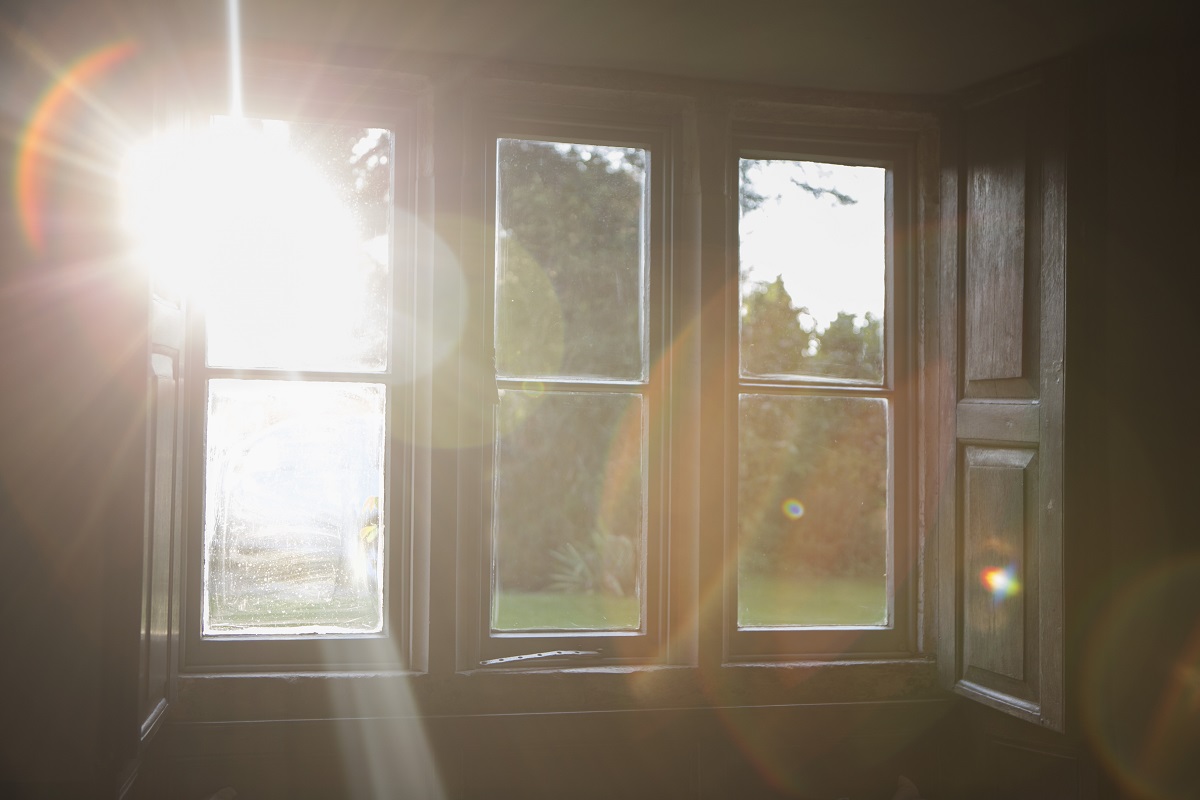
Ultraviolet (UV) rays, a component of sunlight, are a significant contributor to the fading of your furniture, flooring, and décor. These rays penetrate through untreated windows, breaking down the chemical bonds in dyes, fibers, and other materials. Over time, this exposure results in discoloration and deterioration of your home’s interiors.
For example, your vibrant curtains may lose their rich hues, your hardwood floors might develop uneven patches, and your cherished artwork can become dull. UV rays don’t discriminate—they can damage nearly every surface they touch, leading to costly repairs or replacements for you.
A Hidden Threat in Every Ray of Sunlight
Even when the sun feels comfortable or mild, up to 40% of interior fading can still be caused by UV radiation. The damage doesn’t happen overnight—it builds slowly over months and years until one day you notice your favorite furniture, flooring, or fabrics have lost their original vibrancy.
In sunny areas like Mountain Brook, Birmingham, and central Alabama, this process happens even faster due to prolonged sunlight exposure and higher UV indexes throughout the year. The intense southern sun not only fades colors but also contributes to drying, cracking, and warping of materials such as leather, wood, and textiles.
More Than Just Fading — The Domino Effect of UV Exposure
UV exposure can also increase interior heat levels, forcing your HVAC system to work harder and driving up energy costs. This cycle of heat buildup, glare, and material degradation can make even the most beautiful living space feel uncomfortable or prematurely aged. Over time, unprotected windows allow this invisible damage to multiply, silently impacting your comfort, wallet, and home value.
Protecting What You Love
Every home tells a story — and the sunlight that brightens it shouldn’t be what dulls it. By investing in professional-grade window tinting, you’re not just protecting your interiors; you’re safeguarding the colors, textures, and memories that make your home unique.
The Role of Infrared and Visible Light
While UV rays are the primary culprits, infrared (IR) and visible light also contribute to fading. Infrared rays generate heat, which can exacerbate material degradation, while visible light can bleach colors over prolonged exposure. This makes it essential for you to consider solutions that address all three factors.
How Residential Window Tint Works
Residential window tint works by filtering sunlight before it enters your home. Instead of letting heat and harmful UV rays pass through the glass, the film acts as a protective barrier that controls what gets in and what stays out.
High-quality window films are designed to block up to 99% of UV rays, which are the main cause of fading in floors, furniture, and fabrics. At the same time, they reduce solar heat gain, helping keep indoor temperatures more stable throughout the day.
The key difference is control, not darkness.
Modern window films are engineered to maintain natural light while cutting glare and heat. That means your home still feels bright and open, without the harsh intensity that makes rooms uncomfortable.
Depending on your goals, films can also be customized for:
Heat reduction
Glare control
Daytime privacy
Enhanced safety and glass protection
When professionally installed, the film becomes a seamless part of your window. No bubbling, no peeling, and no distraction. Just a cleaner, more comfortable living space that performs better every day.
How Window Tinting Protects Against Fading
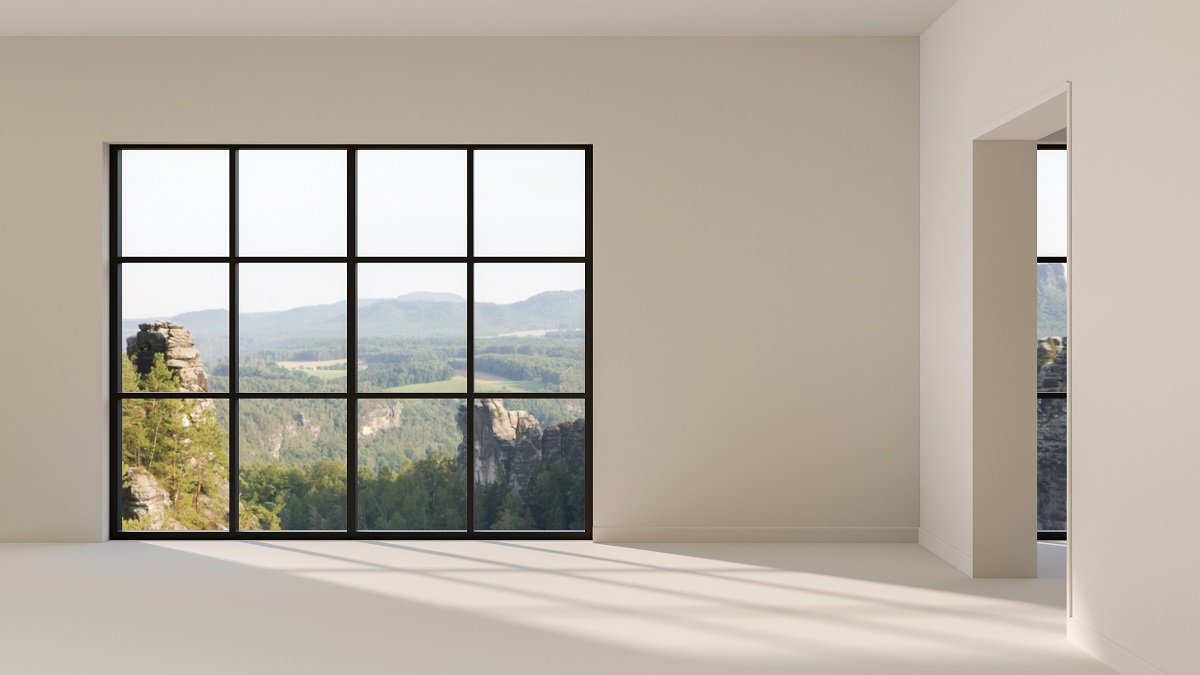
Window tinting works by blocking up to 99% of harmful UV rays, the primary cause of fading in your home interiors. Modern window films are engineered with advanced technology that combines UV-blocking materials, IR reflection, and light filtering.
The Science Behind Sun Protection
Each window film acts as a protective barrier between your home and the sun’s harshest elements. Instead of letting UV rays and infrared heat freely enter your space, the tint selectively filters and reflects them away—while still allowing natural, comfortable light to pass through.
This balance means you can enjoy bright, inviting rooms without the side effects of fading, glare, or excessive heat. The film’s microscopic layers of ceramic or polyester compounds are designed to absorb and reflect harmful radiation before it ever reaches your furnishings, flooring, or artwork.
Why UV Blocking Isn’t Enough
While UV rays are the main culprit behind fading, visible light and infrared radiation also play a significant role in material deterioration. High-quality films—like the Hüper Optik nano-ceramic line used by SRS Tint & Graphics—protect against all three forms of solar energy:
UV Rays: Prevent discoloration and material breakdown.
Infrared Rays: Reduce interior heat buildup that accelerates wear.
Visible Light: Control brightness levels to prevent gradual bleaching effects.
By addressing all three, SRS’s films provide comprehensive fade protection, preserving your home’s beauty and structural integrity far longer than untreated glass ever could.
Comfort and Clarity Working Together
One of the most impressive aspects of modern tinting is that protection doesn’t come at the expense of aesthetics. Today’s films are optically clear and color-neutral, meaning they don’t darken your windows or distort your view. You get to keep your scenic Alabama sunlight—just without the damaging effects.
Long-Term Peace of Mind
With professional installation, high-performance window tinting forms a durable, nearly invisible shield that continues working year after year. It’s a proactive investment in comfort and preservation, saving you money on furniture replacements, refinishing costs, and energy bills—all while making your home more enjoyable to live in.
The Science Behind Window Tinting
High-quality window tinting films are made from multiple layers of polyester or ceramic materials, infused with protective compounds. These films:
Reflect and absorb UV rays to prevent them from reaching your interiors.
Minimize heat transfer, reducing the impact of infrared radiation.
Adjust the intensity of visible light entering your home to prevent bleaching effects.
By installing window tinting, you can significantly reduce fading and preserve the vibrancy of your furniture, carpets, and artwork for years to come.
Types of Window Tinting Films for Fade Protection
Choosing the right window tinting film is crucial for effective fade protection. Here are some common types you can consider:
1. Dyed Window Films
These films use a layer of dye to absorb heat and block UV rays. While affordable, they may not last as long as other options.
Dyed films are often the entry-level choice for homeowners seeking a simple, cost-effective way to reduce glare and soften sunlight. They provide moderate fade protection and enhance privacy by darkening windows slightly. However, because the dye layer absorbs solar energy rather than reflecting it, these films tend to retain heat and may gradually lose color or performance over several years—especially in sun-drenched Alabama climates.
Ideal for: Rooms with limited direct sunlight exposure or homeowners prioritizing affordability over longevity.
2. Metalized Window Films
Incorporating tiny metallic particles, these films reflect UV rays and heat. They are durable but may interfere with electronic signals, such as Wi-Fi.
Metalized films use microscopic metal layers (often aluminum or nickel-chrome) to bounce solar energy away from your windows. This reflective property makes them highly effective at reducing heat gain and protecting interiors from fading. They also strengthen glass, making it more resistant to breakage—a great bonus for security-conscious homeowners.
However, because of their metallic composition, these films can sometimes create a mirror-like finish from the outside and may cause minor interference with mobile, Wi-Fi, or GPS signals. They’re a strong performer but less ideal for smart homes or properties that rely heavily on wireless connectivity.
Ideal for: Homeowners wanting high durability and strong solar rejection, and who don’t mind a slightly reflective aesthetic.
3. Ceramic Window Films
Made from advanced ceramic materials, these films offer superior UV blocking, heat reduction, and durability without affecting electronic signals. They are an excellent choice for you if you’re seeking premium fade protection.
Ceramic window films are the gold standard in residential tinting—engineered using non-metallic, non-conductive nanoparticles that outperform traditional dyed or metalized options. These films deliver exceptional clarity, fade resistance, and infrared heat rejection, keeping your home cooler without making your windows dark or shiny.
Unlike older film technologies, ceramic films—especially Hüper Optik nano-ceramic films installed by SRS Tint & Graphics—maintain their color, resist bubbling, and come with lifetime warranties for performance and appearance. They block up to 99.9% of UV rays and significantly reduce infrared heat transfer, preserving your home’s interiors and enhancing comfort year-round.
Ideal for: Homeowners who value premium performance, clear views, and long-term durability—perfect for high-sunlight areas like Mountain Brook and Birmingham, AL.
4. Hybrid Films
A combination of dyed and metalized films, hybrid options provide a balance of performance and affordability.
Hybrid films blend the best qualities of both dyed and metalized technologies—using dye to absorb glare and metal particles to reflect heat. The result is a film that provides solid UV protection, moderate heat rejection, and a more neutral appearance compared to fully metalized options.
These films are often used when homeowners want a budget-friendly yet effective middle ground, achieving comfort and fade protection without the downsides of heavy reflection or rapid fading.
Ideal for: Those seeking balanced performance and value-driven fade protection for mid-sunlight areas or secondary spaces such as sunrooms, garages, and guest rooms.
Additional Benefits of Window Tinting
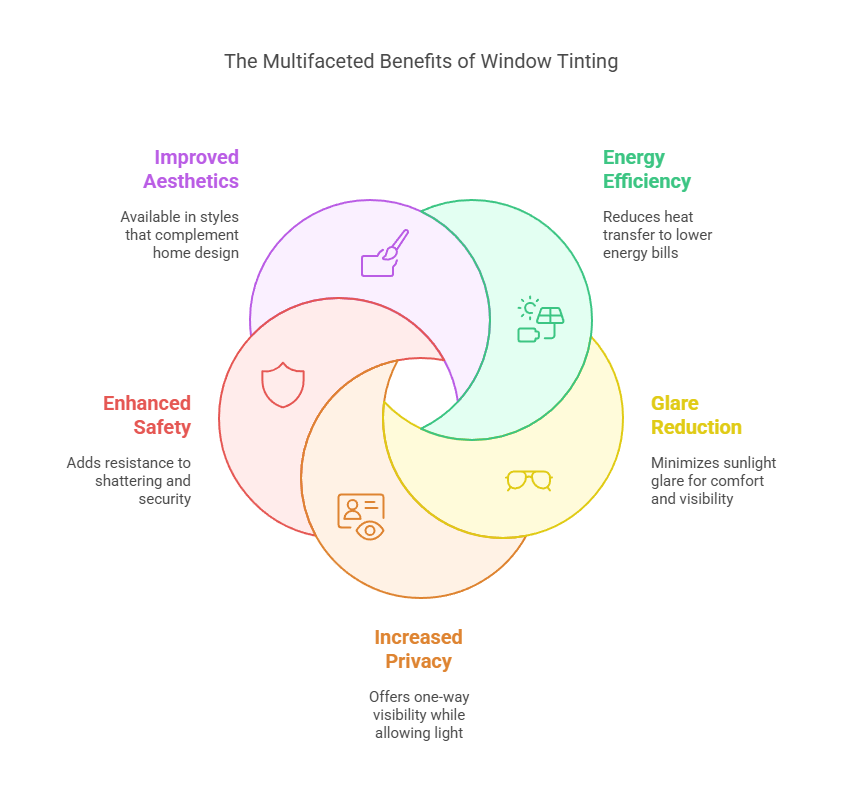
While fade protection is a standout feature, window tinting offers several other advantages for you:
1. Energy Efficiency
By reducing heat transfer, window tinting helps maintain a consistent indoor temperature, lowering your energy bills.
High-quality films—like Hüper Optik nano-ceramic window tints—reflect a significant portion of infrared heat before it enters your home. This means your air conditioner doesn’t have to work as hard during Alabama’s hot summers, and your heater retains warmth more effectively in winter. Over time, this balance leads to measurable energy savings of up to 30% on utility costs.
In Mountain Brook and Birmingham, where sunlight intensity is high year-round, the efficiency boost is even more noticeable. It’s not just about savings—it’s about creating a more comfortable, balanced living environment in every room.
2. Glare Reduction
Tinted windows minimize glare from sunlight, enhancing your comfort and visibility.
Whether you’re watching TV, working on your computer, or simply relaxing in your living room, glare can quickly turn comfort into frustration. Window tinting helps by softening harsh light while still maintaining natural brightness, so you can enjoy open views without squinting or closing heavy blinds.
For home offices, especially those with large windows, this benefit improves productivity and eye comfort while still letting the Alabama sunshine in—just without the blinding intensity.
3. Increased Privacy
Certain films offer one-way visibility, allowing you to enjoy natural light without compromising your privacy.
Privacy tints are ideal for ground-level rooms, street-facing windows, or bathrooms, giving you peace of mind without making your space feel closed off. By creating a subtle mirrored or shaded effect on the exterior, these films prevent passersby from peering in while still letting soft, filtered daylight illuminate your home.
This is especially valuable in neighborhoods like Mountain Brook and Vestavia Hills, where modern homes often feature large windows and open floor plans. With window tinting, you can enjoy your beautiful views without sacrificing your sense of privacy or security.
4. Enhanced Safety
Window films add an extra layer to your glass, making it more resistant to shattering and increasing security during storms or break-ins.
One of the most overlooked benefits of window tinting is its safety and security advantage. The adhesive layer within the film helps hold shattered glass together if a window breaks due to impact, storms, or accidents. This minimizes the risk of flying glass shards that can cause injury or property damage.
For homeowners in regions prone to strong winds or severe weather, safety films provide an extra measure of protection and peace of mind—without altering the appearance of your windows.
5. Improved Aesthetics
Available in various shades and styles, window tinting can complement your home’s design while providing practical benefits.
Cost Considerations and Long-Term Savings
The cost of window tinting varies based on the type of film, the size of your windows, and installation fees. On average, you can expect to pay between $5 and $15 per square foot for professional installation.
While this may seem like a significant upfront investment, the long-term savings make it worthwhile. By reducing UV damage, you’ll spend less on replacing faded furniture, refinishing floors, or repainting walls. Additionally, lower energy bills contribute to ongoing savings.

Tips for Choosing the Right Window Tinting Service
To ensure you get the best results, follow these tips when selecting a window tinting service:
Research Providers: Look for reputable companies with positive reviews and a proven track record.
Check Certifications: Ensure the films meet industry standards for UV protection and durability.
Request Samples: Test different films to see how they affect light and aesthetics in your home.
Ask About Warranties: A good warranty indicates the manufacturer’s confidence in their product.
Consult Professionals: Experienced installers can recommend the best film for your needs and ensure proper application.
Real-Life Examples of Window Tinting Success
We were contacted by Susan D in Mountain Brook, Al about window tinting for her home. Using Huper Optik window tinting is the perfect solution for heat, glare and fade protection. In the pictures below you can see that this films provide maximum protection from sun damage without looking dark or having a reflective appearance.
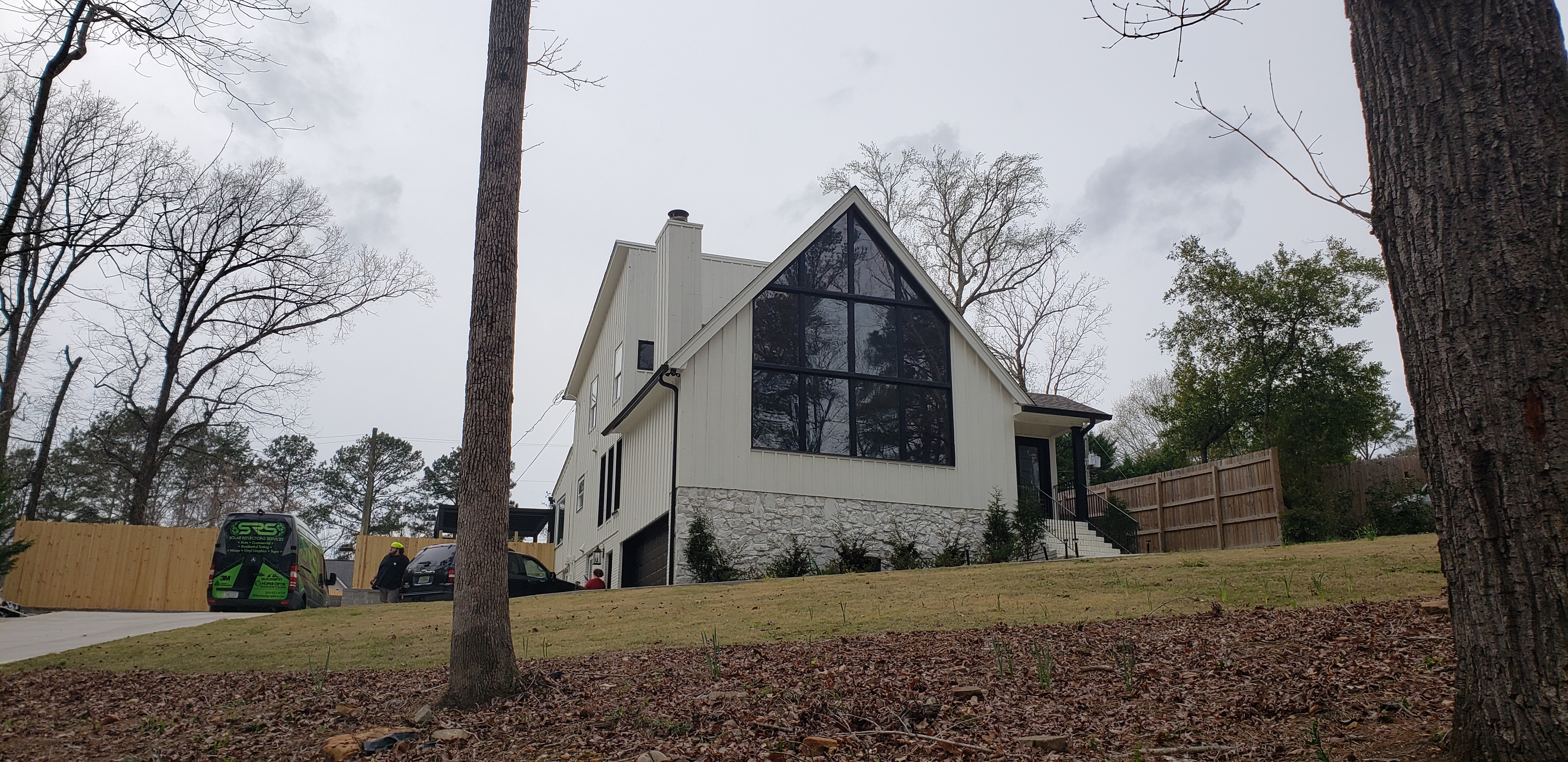
Susan was a pleasure to work with on this project. We really enjoyed helping her, from removing the outdated film that had begun to fail to picking out a product that best suited her needs and was aesthetically pleasing. This is a fine home and it and Susan deserve nothing but the best.
Huper Optik window tinting was the perfect match of performance against Sun damage and an elegant look.
What Changed After Installation
Before the window tint was installed, the home was dealing with the same issues many homeowners face but often tolerate longer than they should.
Rooms would heat up as the day went on, especially in areas with direct sunlight. Glare made it difficult to relax, whether it was watching TV, working, or just enjoying the space. Over time, sunlight exposure was already starting to affect interior surfaces, with the risk of fading becoming more noticeable.
Privacy was another concern. Large windows brought in great natural light, but they also made the home feel more exposed than comfortable.
After installation, the difference was immediate.
The same rooms that once felt too warm became noticeably more balanced in temperature. Glare was reduced without making the space feel dark, allowing natural light to stay while removing the harshness that came with it. Interiors were now protected from ongoing UV damage, helping preserve the look and value of the home.
The space didn’t just feel cooler. It felt more controlled.
Homeowners could enjoy open windows without feeling exposed, rely less on blinds or curtains, and trust that their home was working for them instead of against them.
It’s the kind of upgrade that doesn’t just fix one issue. It improves how the entire home feels on a daily basis.
Maintenance and Care
Once installed, window films require minimal maintenance. However, there are a few steps to ensure their longevity:
Avoid Cleaning Immediately: After installation, it is advisable to wait 3-5 days before cleaning the windows to allow the film to properly bond to the glass.
Use Gentle Cleaning Methods: When cleaning the tinted windows, use a soft, non-abrasive cloth (like microfiber) and an ammonia-free cleaner. Avoid rough scrubbers or harsh chemicals, which can damage the film.
Regular Inspections: Periodically check for signs of wear or damage. If any bubbles or peeling appear, address them promptly to prevent further deterioration.
Common Questions About Home Window Tinting
Does window tint really stop furniture from fading?
Yes. High-quality window films can block up to 99% of harmful UV rays, which are the primary cause of fading in floors, furniture, and fabrics. While no solution can eliminate fading completely, window tint significantly slows the process and helps preserve your home’s interior over time.
Will window tint make my home darker?
No. Modern residential window films are designed to reduce heat and glare while still allowing natural light to enter. Your space stays bright and open, just without the harsh sunlight that causes discomfort and glare.
How much heat can window tint actually reduce?
Window tint can reduce a significant amount of solar heat entering your home, depending on the type of film used. Many homeowners notice more consistent indoor temperatures and less strain on their cooling system, especially in rooms with direct sunlight.
Is residential window tint worth it?
For most homeowners, yes. It addresses multiple problems at once, including heat, glare, fading, and privacy. It also helps improve energy efficiency, making it a practical upgrade that delivers both immediate comfort and long-term value.
How long does window tint last on a home?
Professionally installed residential window tint can last 10 to 20 years or more, depending on the product and conditions. High-quality films are designed for durability and are backed by manufacturer warranties for added peace of mind.
Can you still see outside at night with window tint?
Yes, but lighting conditions matter. During the day, window tint can provide privacy while still allowing you to see बाहर clearly. At night, if interior lights are on, visibility from outside may increase, which is why some homeowners combine tint with blinds or curtains for full privacy control
Ready to Make Your Home More Comfortable and Protected?
If your home is dealing with heat, glare, or fading interiors, window tinting is one of the most effective upgrades you can make.
The right film doesn’t just improve comfort. It protects your space, reduces energy strain, and gives you more control over how your home feels every day.
Solar Reflection Services makes the process straightforward. No guesswork. No pressure. Just clear recommendations and professional installation you can rely on.
When you’re ready, the next step is simple.
Schedule a consultation and see what’s possible for your home.